

Tom Mc.
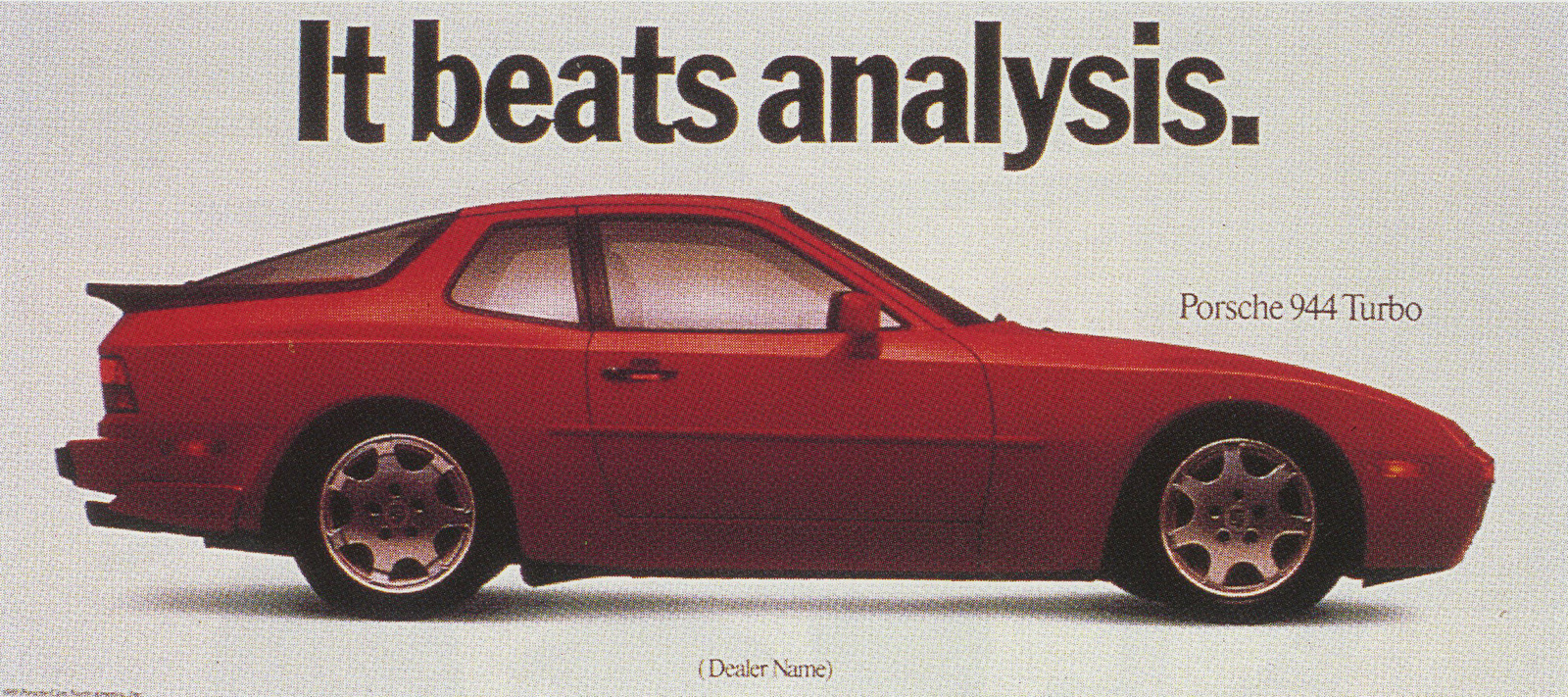
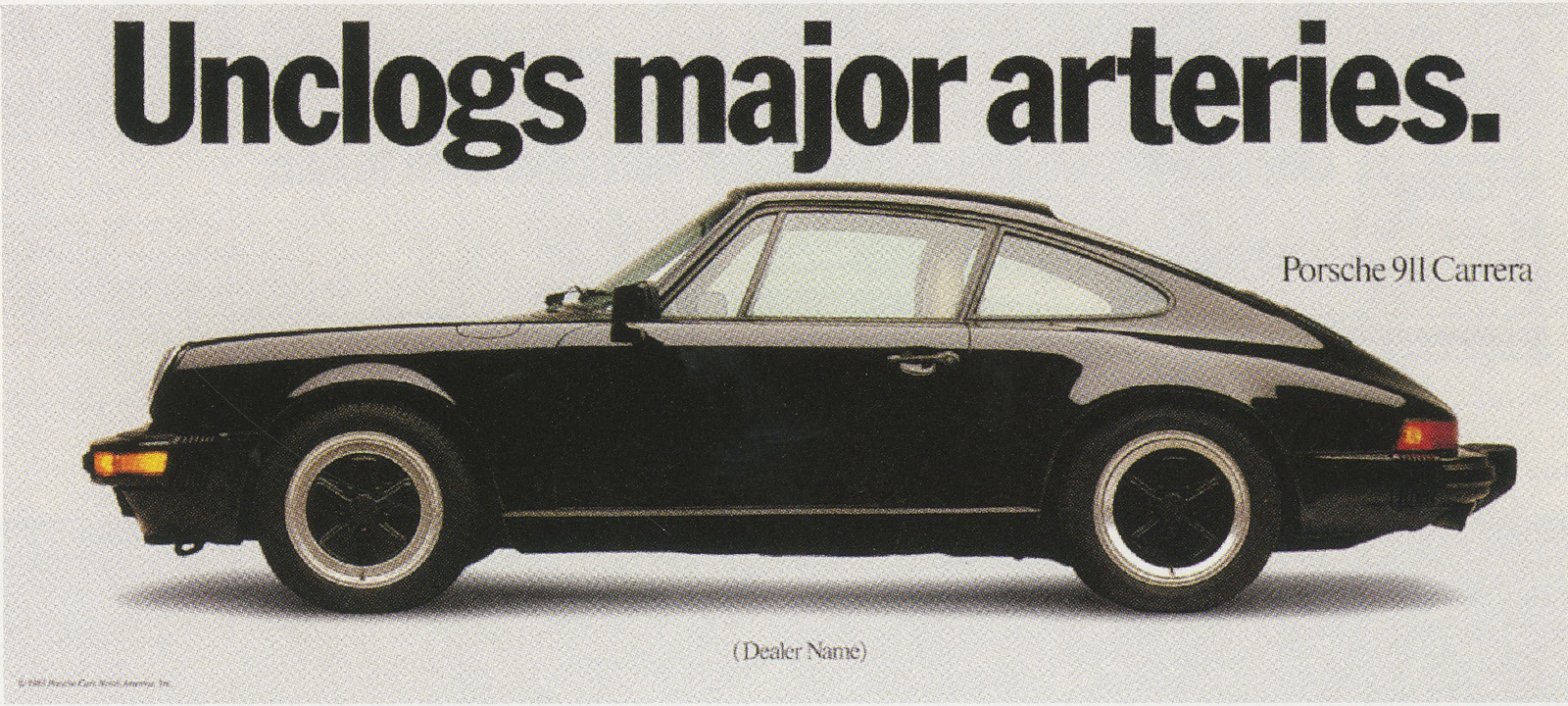
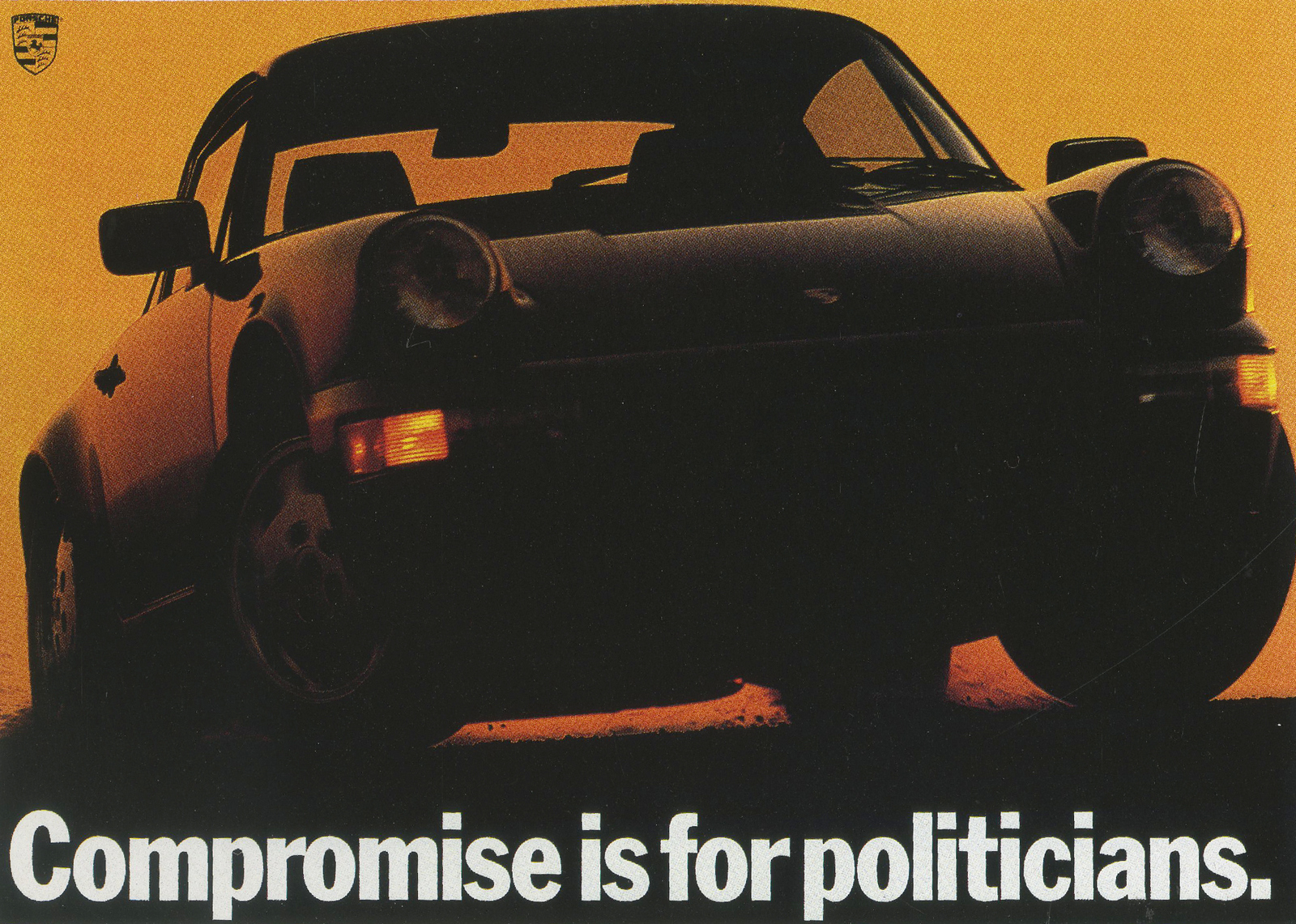
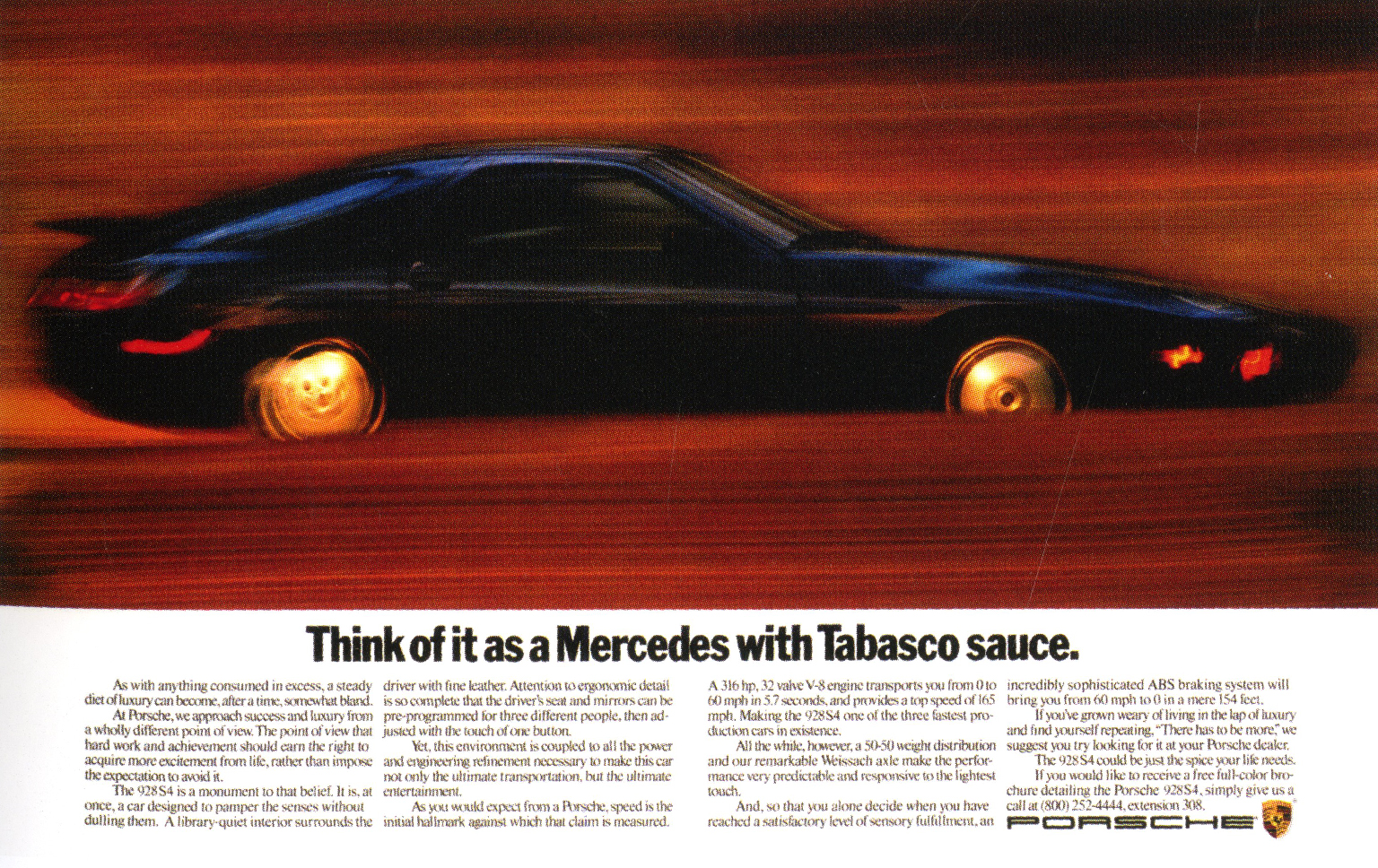

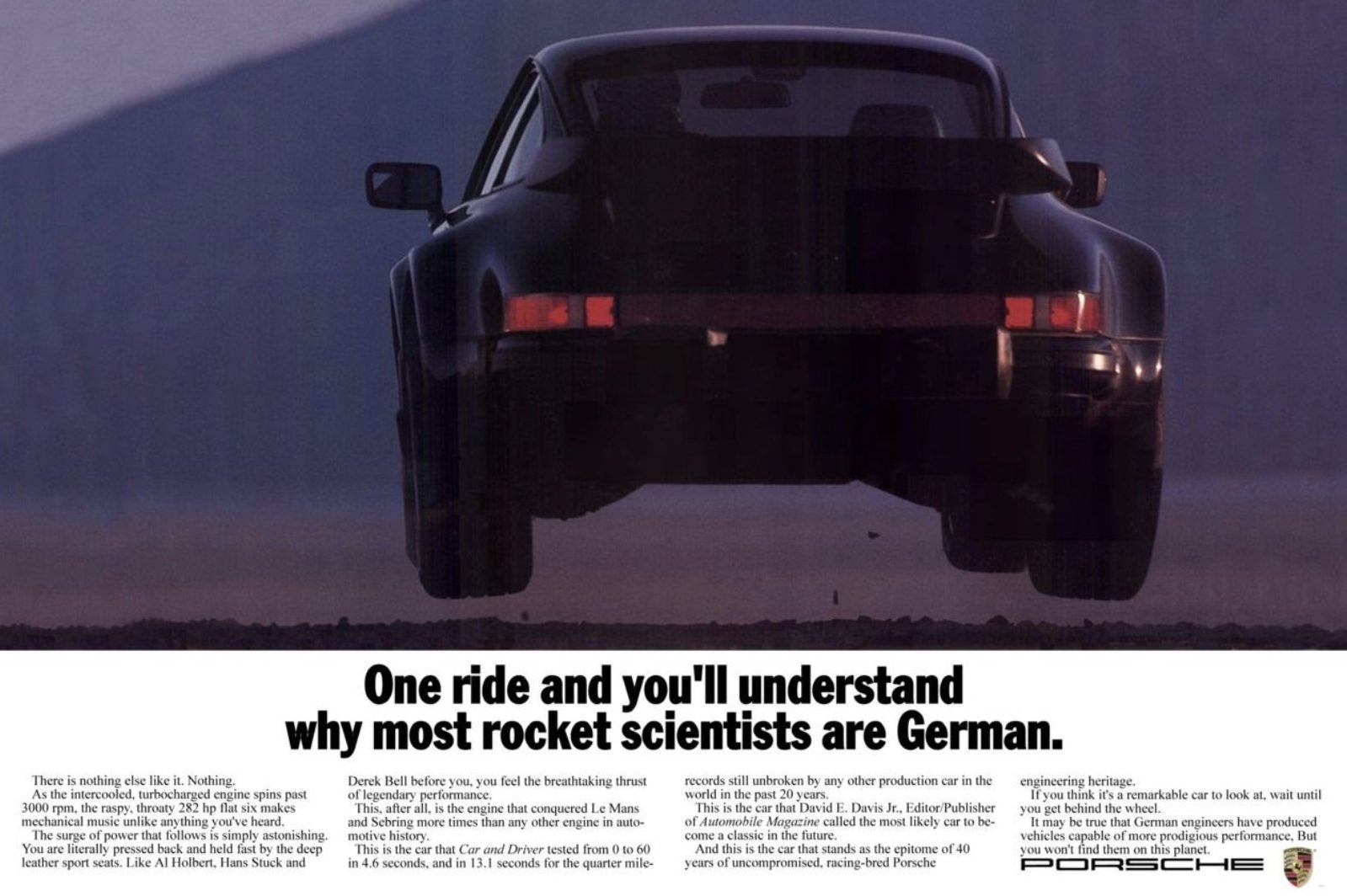
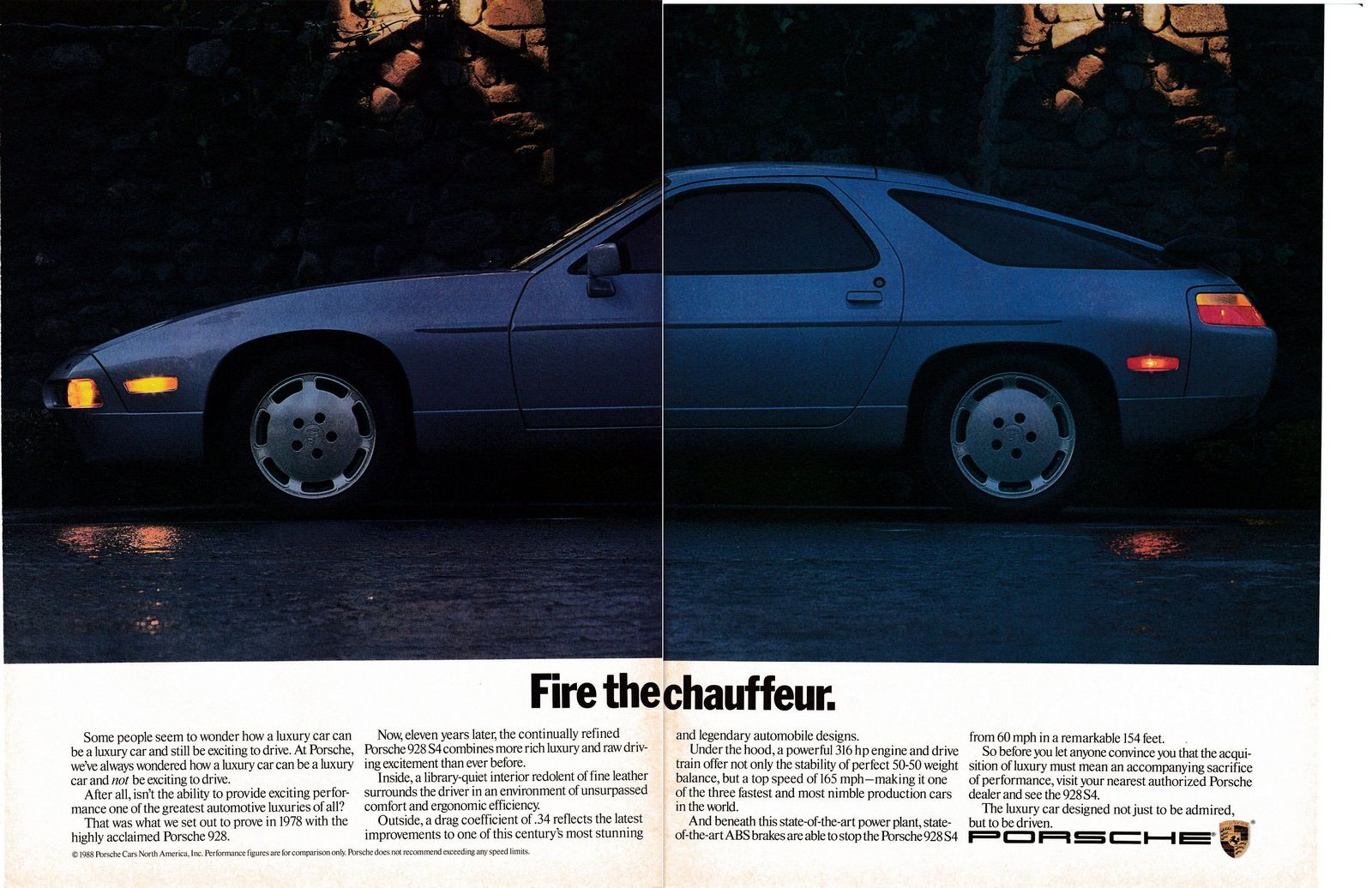

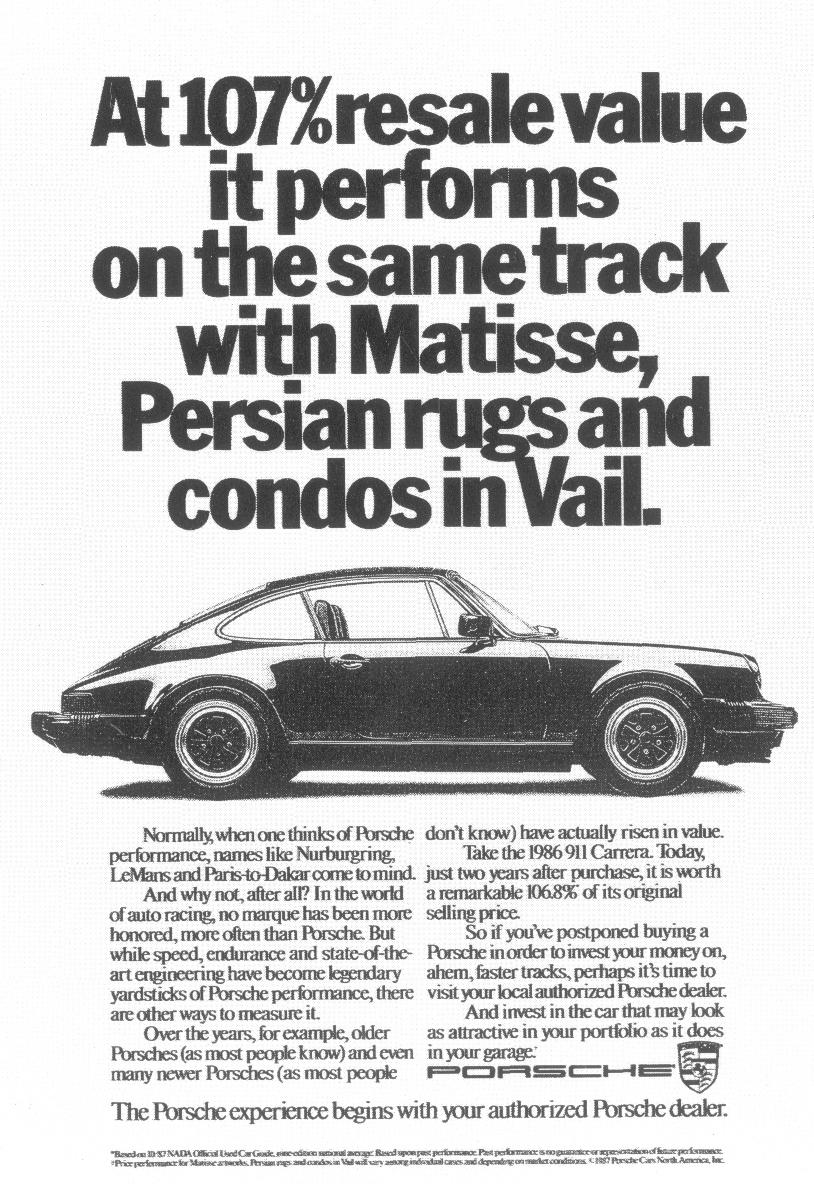
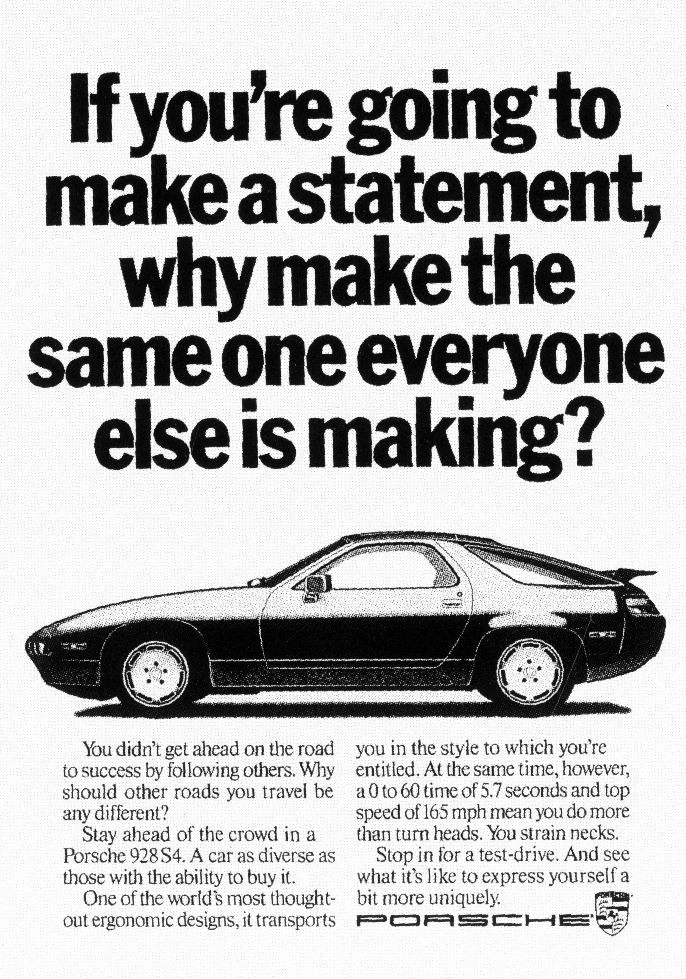
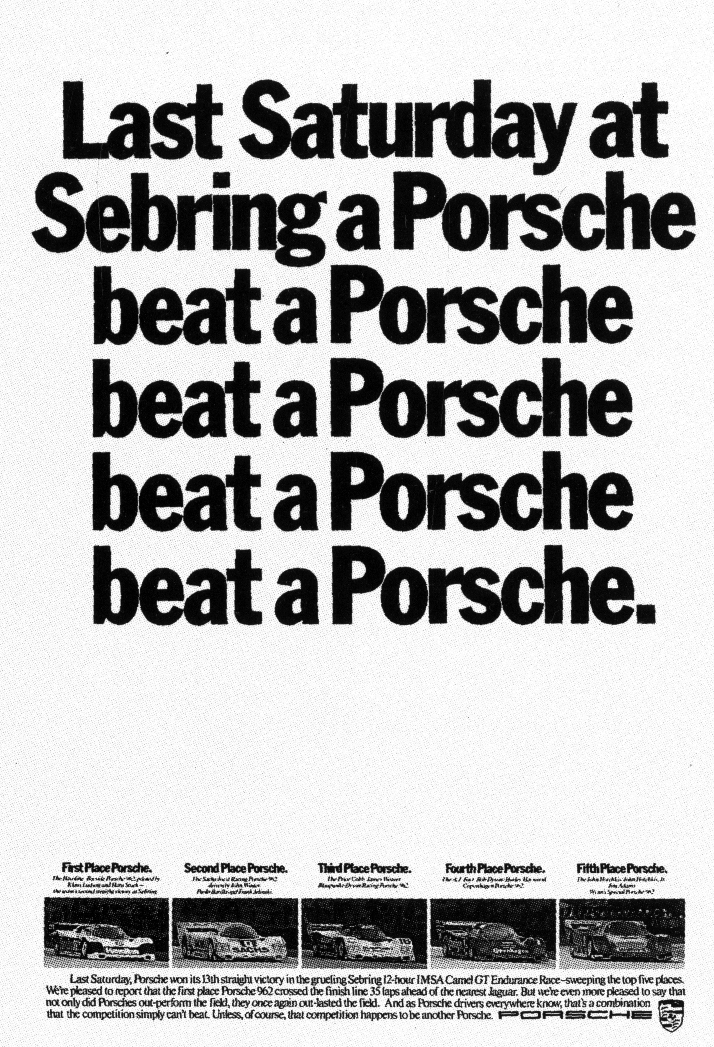
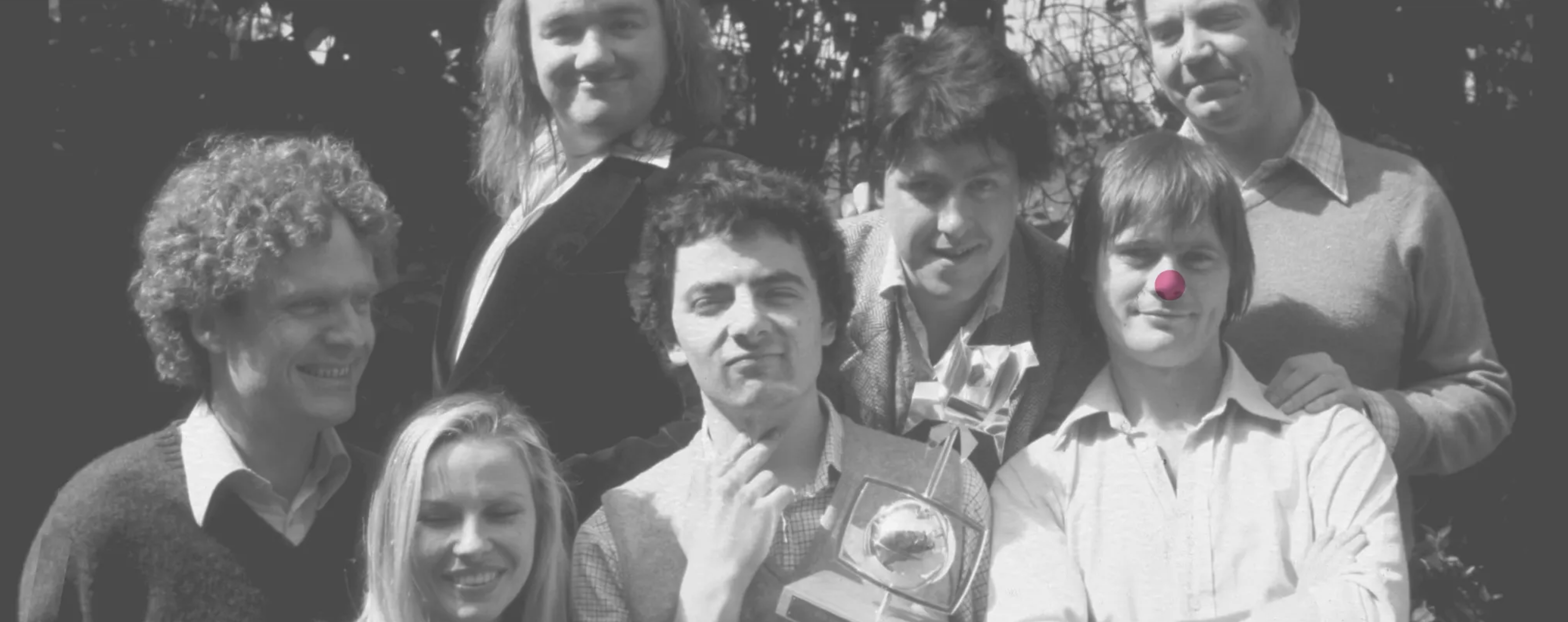
How did you end up at Fallon McElligott?I was 25 and working for a small suburban agency south of Chicago, Illinois writing real estate ads for apartment buildings. I had been consuming the award annuals and reading anything I could get my hands on regarding advertising. I noticed that the most interesting and thoughtful work was coming out of this small agency in Minneapolis called Fallon McElligott Rice, and to a writer, their work spoke to me. But FMR was worlds away to a kid with nothing but a dream and a spec portfolio, so I stayed close to home. When I started making the rounds in Chicago, I interviewed with Mike Faems who was running Y&R. He took a look at my book and gave me some very encouraging words. He said, “You really shouldn’t be interviewing in Chicago, this is a Minneapolis kind of book. You need to go up there.” So, I saved my money, borrowed my brother’s car, got my grandmother’s AAA coupon book (to save money on a hotel), and set out for Minneapolis. I had 10 “informational” interviews set up over a five-day span with FMR locked in for mid-week. When I got there, I saw Rod Kilpatrick and to this day I remember nothing from that interview other than I knew this was the place I wanted to be. He told me to call him if I got any other offers, so I had a feeling he liked my book. When I got home, I had to talk my wife into spending $125 on an answering machine to field calls while I was at work. We didn’t have the money, but the investment paid off because the day after I hooked it up, I got a call inviting me up to FMR for more interviews. I was impressed to be flown up there and put in the Embassy Suites next door. It seemed like the big time to me. With book in hand, and a hand-me-down suit I borrowed from my uncle, I was led through a gauntlet of interviews. First Rod again, then Bill Miller, then Pat Burnham and finally the MAN himself, Tom McElligott. Tom was quiet as he paged through my portfolio and I only really remember him asking me one question: “How much do you want?” I looked him in the eye and said, “My salary doesn’t matter. All I want is to do great work.” He looked up at me and smiled. A few days later I got a call with an offer. My life had been changed forever.What was it like presenting work to Tom?Tom would sit in his office at a round table that was buried under piles of papers, layout and storyboards. (I swear it was never clear.)He nervously watched as you would enter as a team and explain what it was you were about to show him.Then, as you handed over your marker sketches on Bienfang paper, he would page through them while his nerves transferred over to you.If he didn’t see anything he immediately liked he would rub his neck with one hand.If he continued through the stack and still wasn’t impressed, he might give you a double neck rub.And if you struck out completely, he’d make a slight noise of exasperation and then say, “Why don’t you spend about twenty more minutes on this.”Of course, twenty minutes was his way of letting you off easy.He didn’t want to hurt your feelings and say what he was really thinking, which was probably something along the lines of: “These really suck. I can’t believe how useless you are. I should probably write these myself.”However, when he did see an idea he liked, a huge smile would light his face and he’d become animated with delight. “This is great. This is fucking great. You should do this. This one. This is what I’m talking about.”When we were working on pitches, and the work went beyond what you could hand him in a small stack, we’d spread the layouts over the conference room tables or pin them up to the walls and invite him in to pass judgement.It was akin to him walking the displays at the MOMA and listening to his commentary.During these times, he was often in a more receptive or jovial mood and would sometimes sit down with the creatives and shoot the shit.However, when he did that, he often left the room without choosing anything, so I think that was his way of getting out of having to insult anyone.
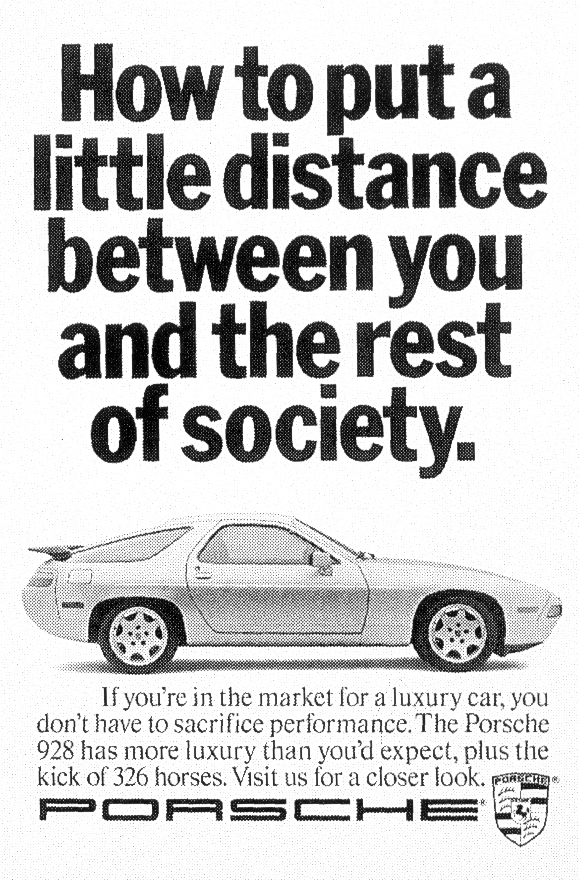
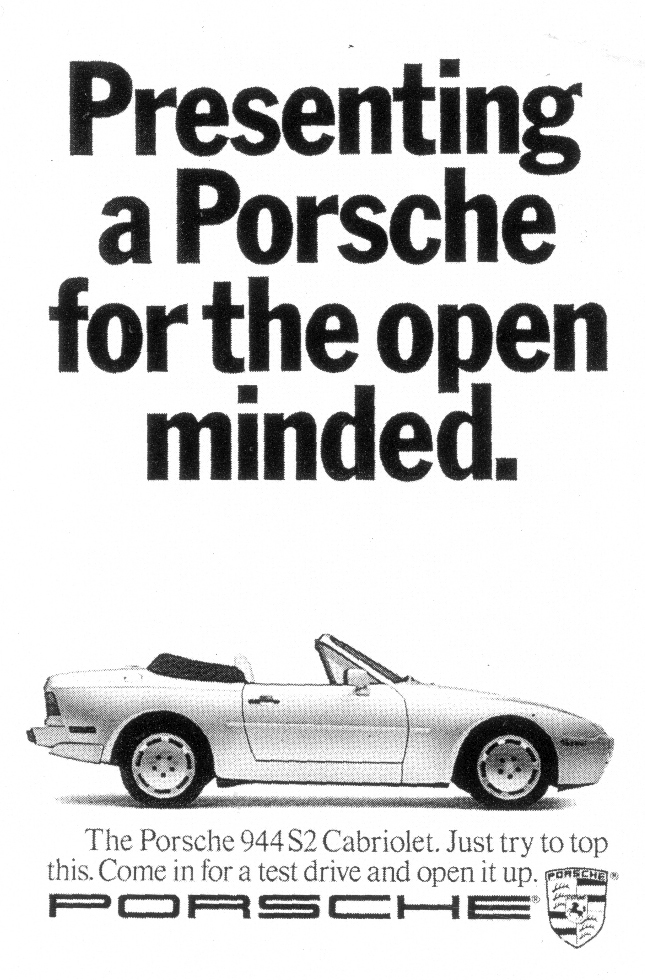
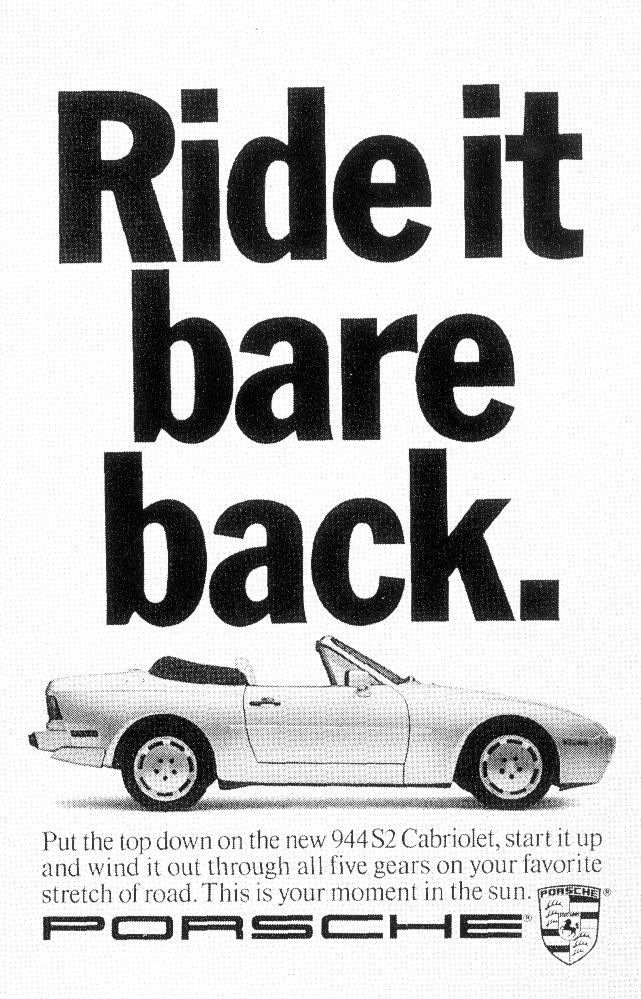
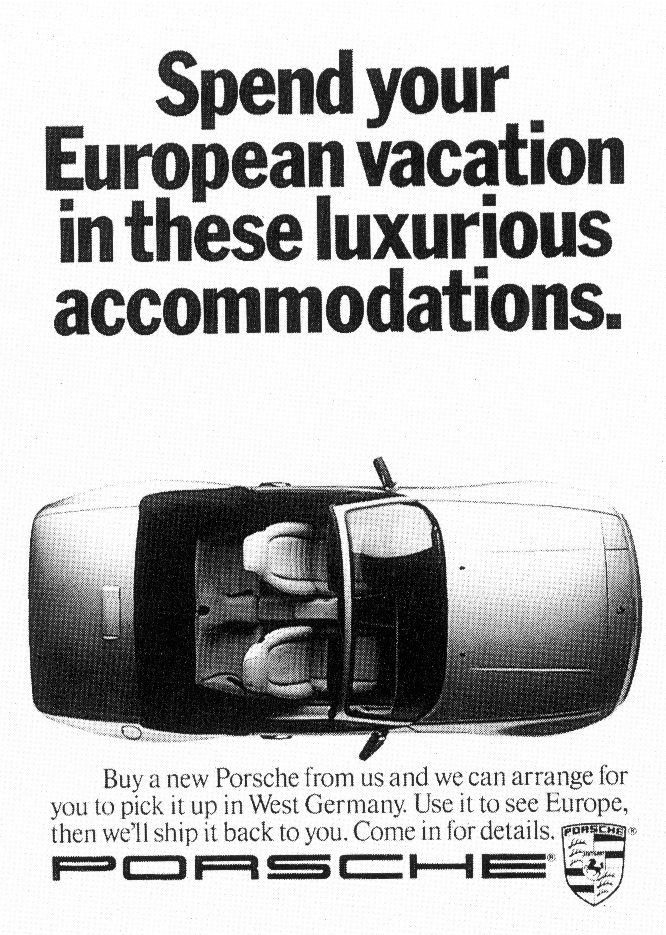
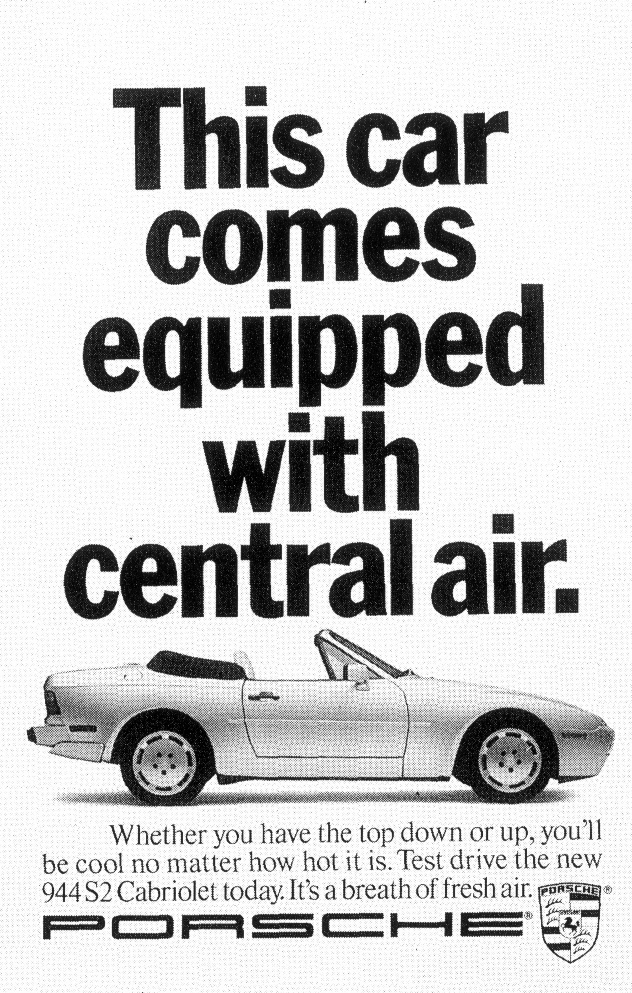
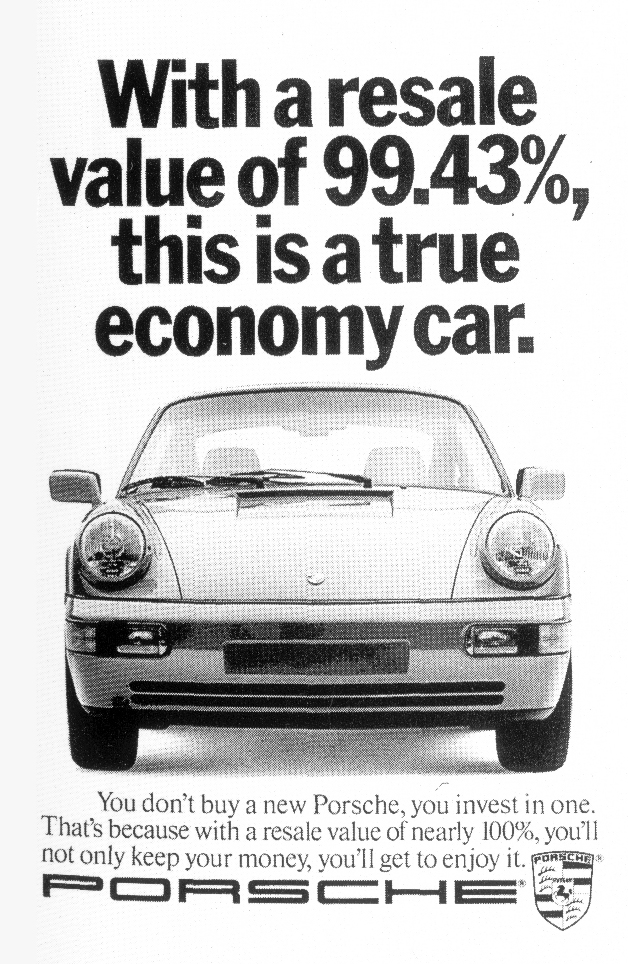
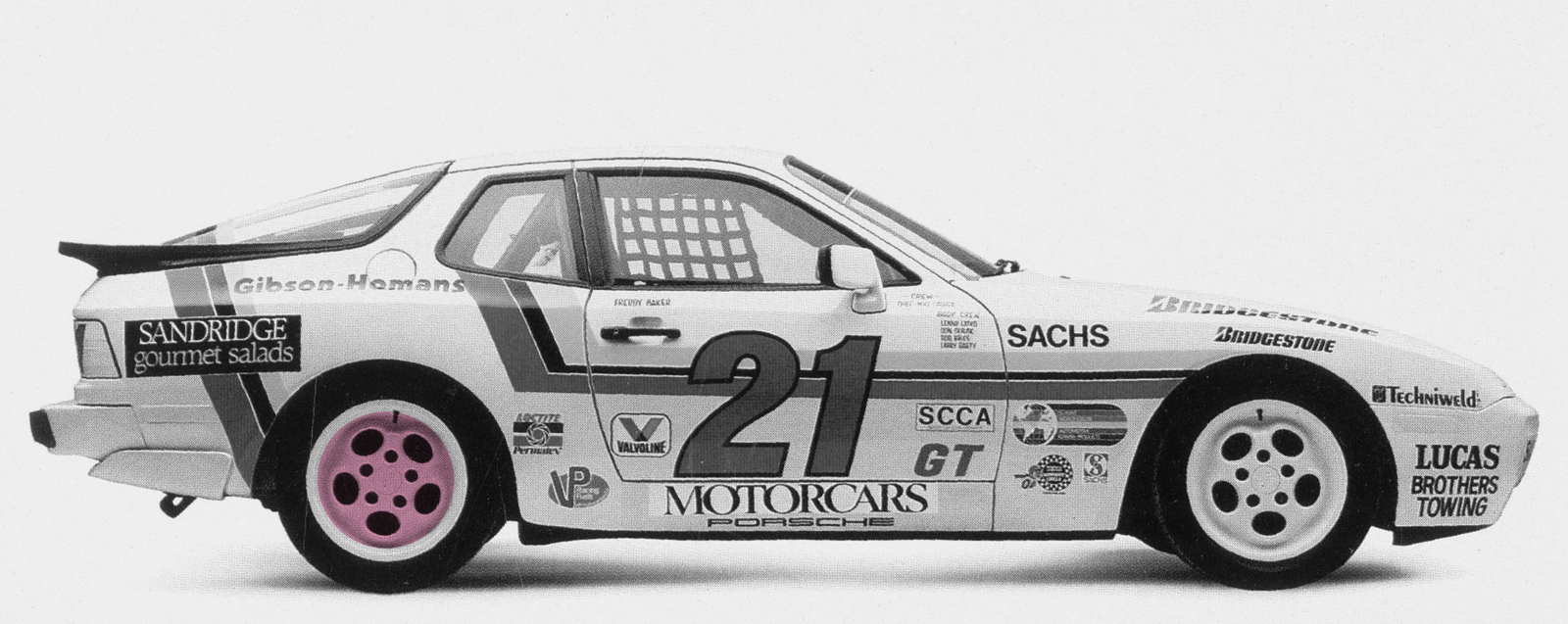
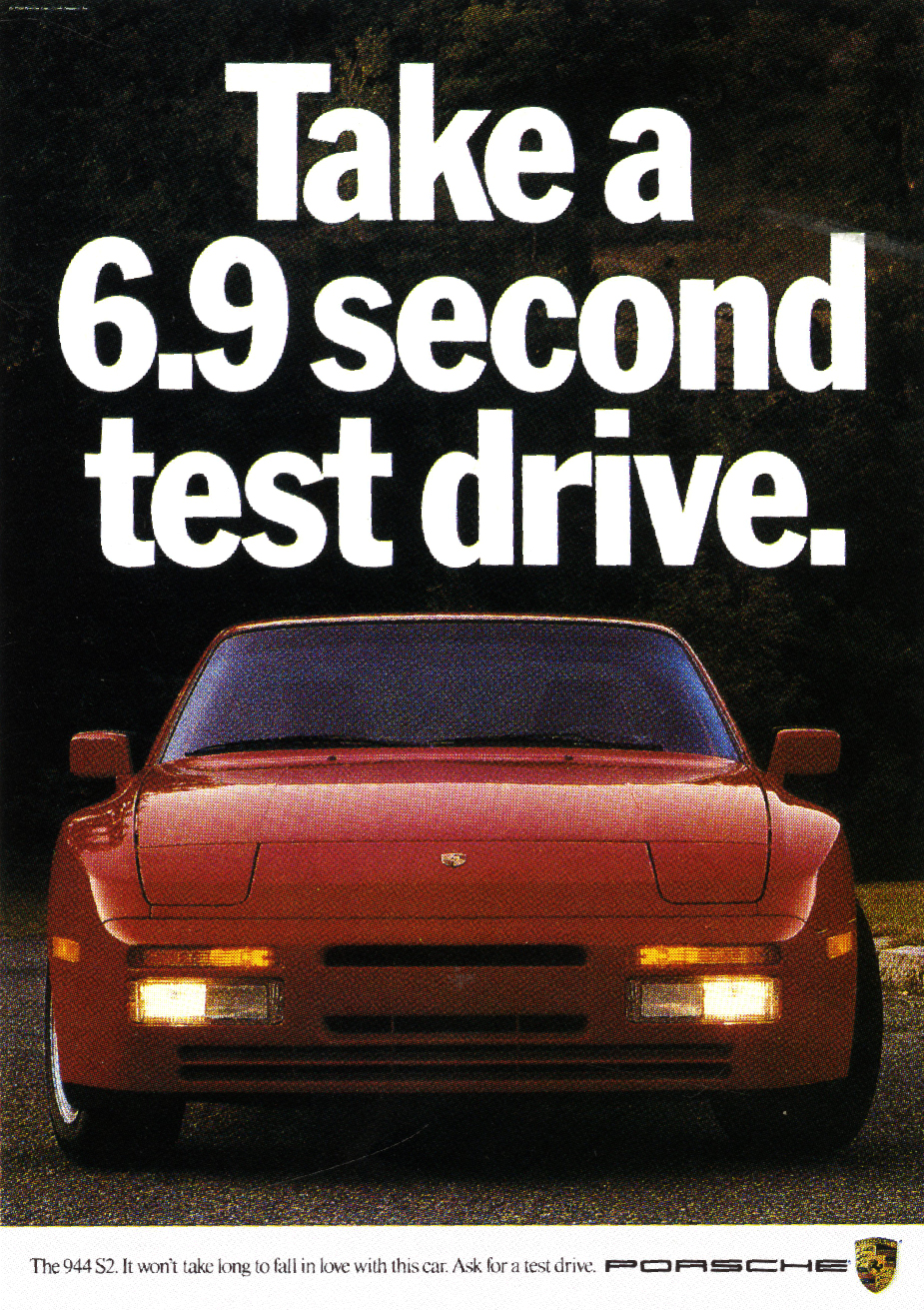
Arguably, the agency had more award-wining clients than any other at that time; were Porsche briefs the most coveted?Briefs? Ha. There were no briefs.You were told what was needed or wanted, then you went forward and did what you thought was right.If there ever was a brief, I certainly don’t remember one.Which, in a way, is a reality in advertising.
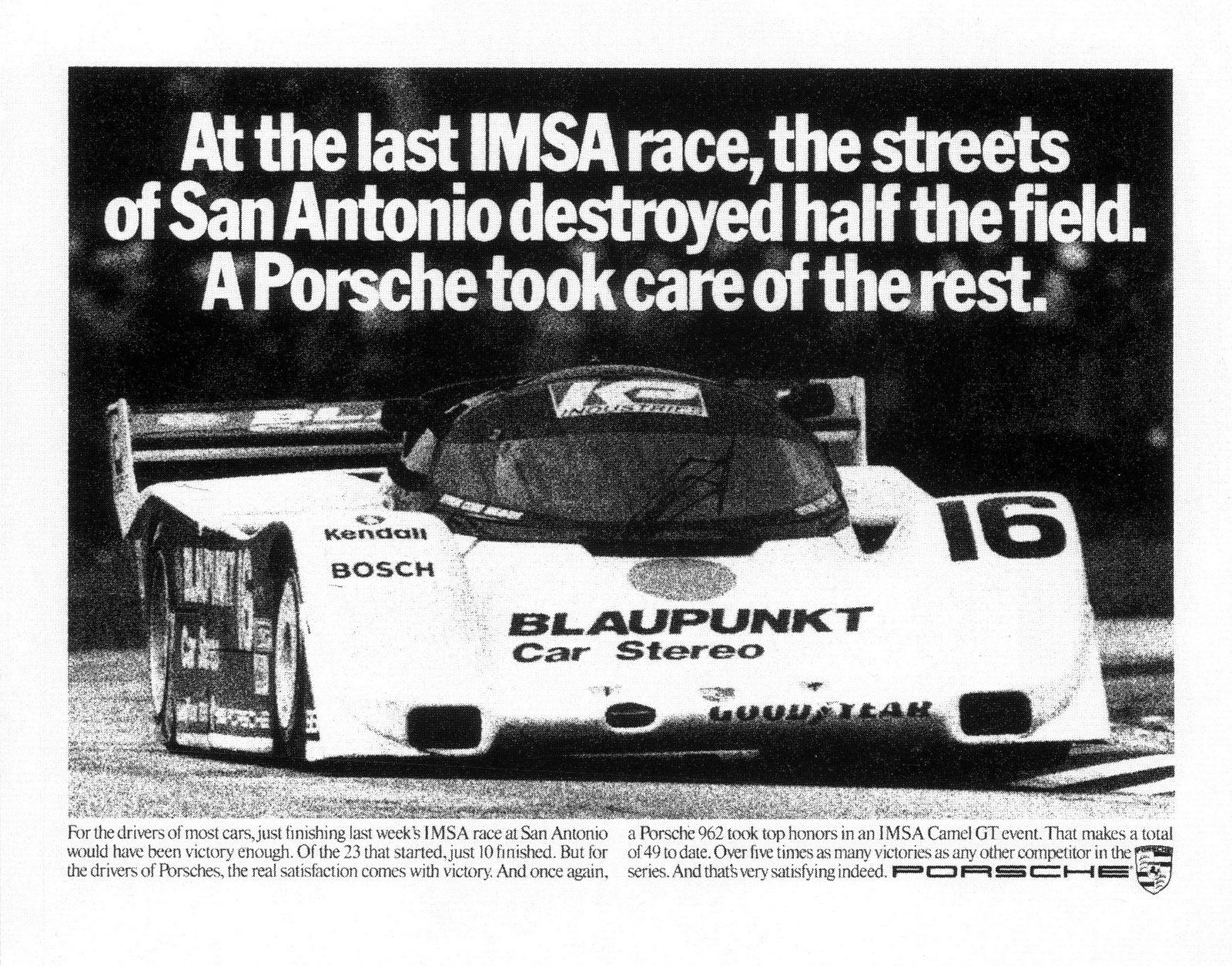
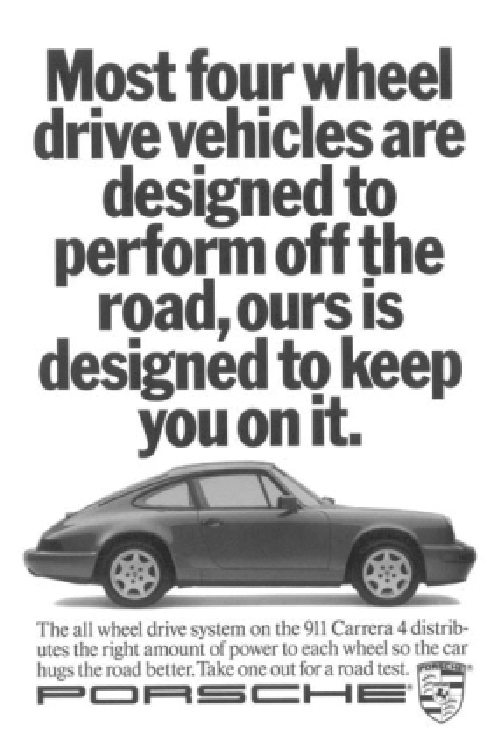
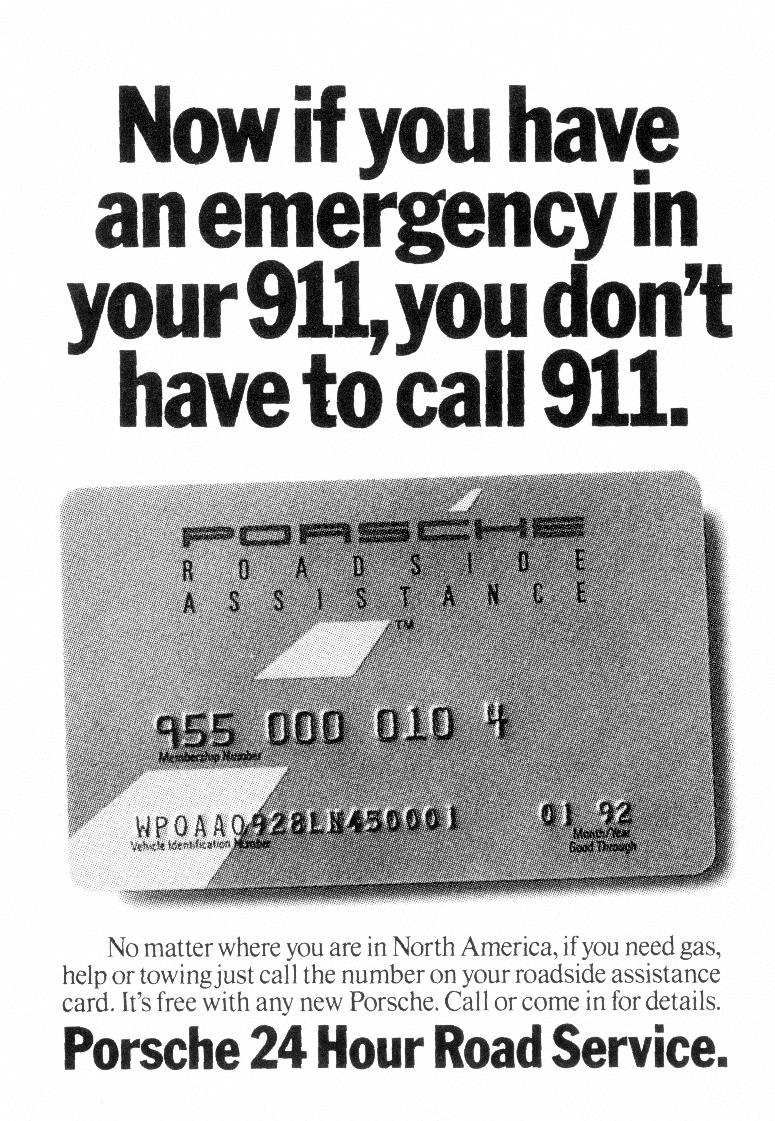
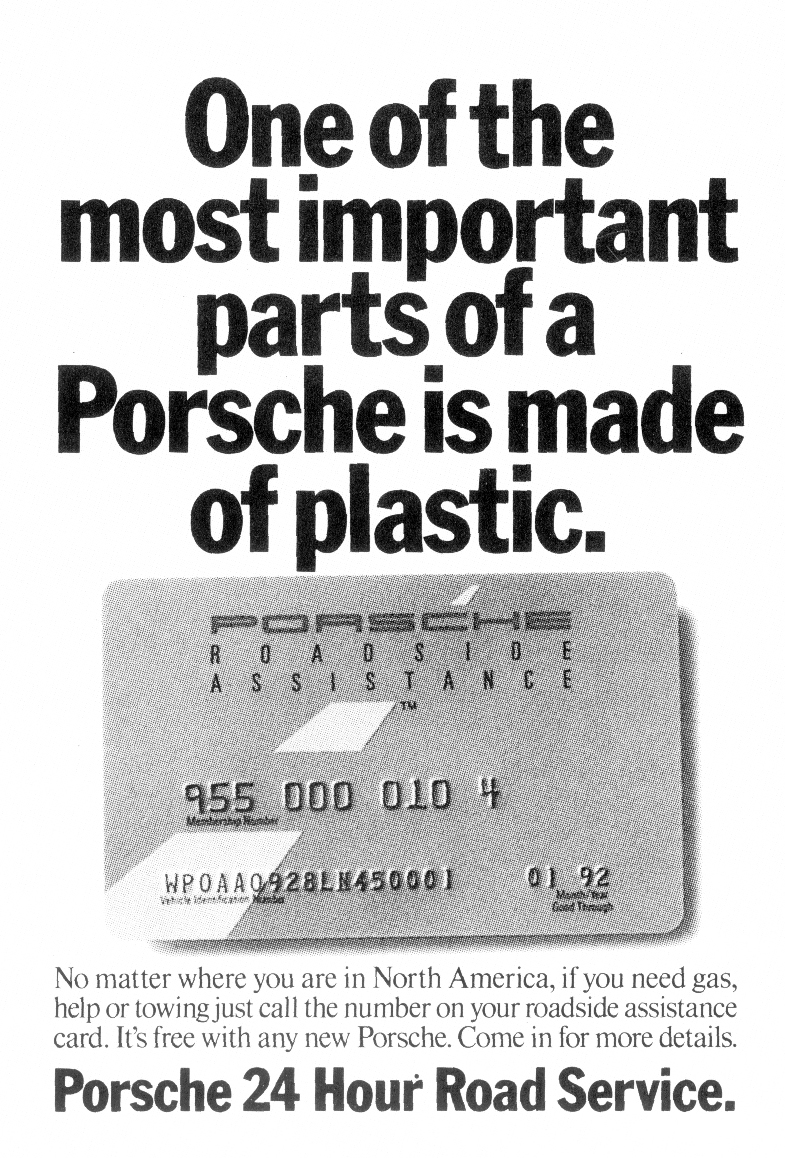
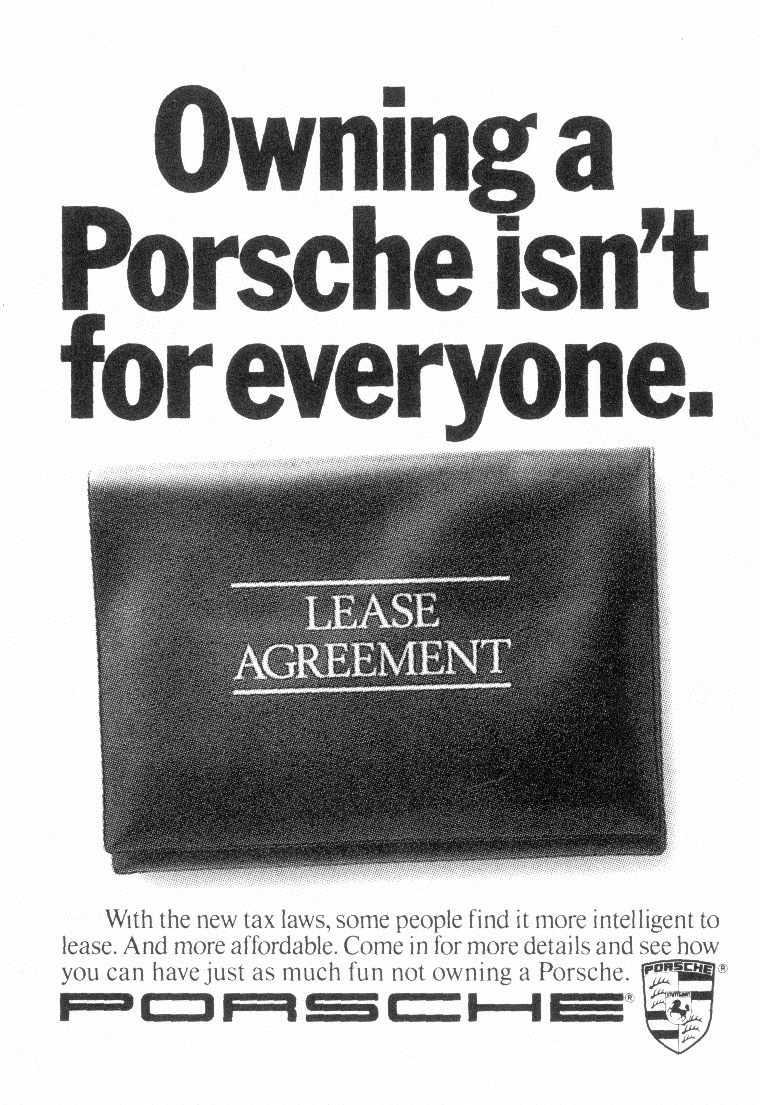
Porsche’s small ads were better than other cars bigads. Did the senior creatives work on the tiny ads as well as the big stuff?The smaller space ads were done by the kids – the junior writers and art directors.In my days, the copy kids were myself and Jamie Barrett (founder and owner of Barrett sf).But we didn’t care. Our goal was to make everyone wish they had received the assignment instead of us.Jamie and I have a lot of big awards from small assignments.
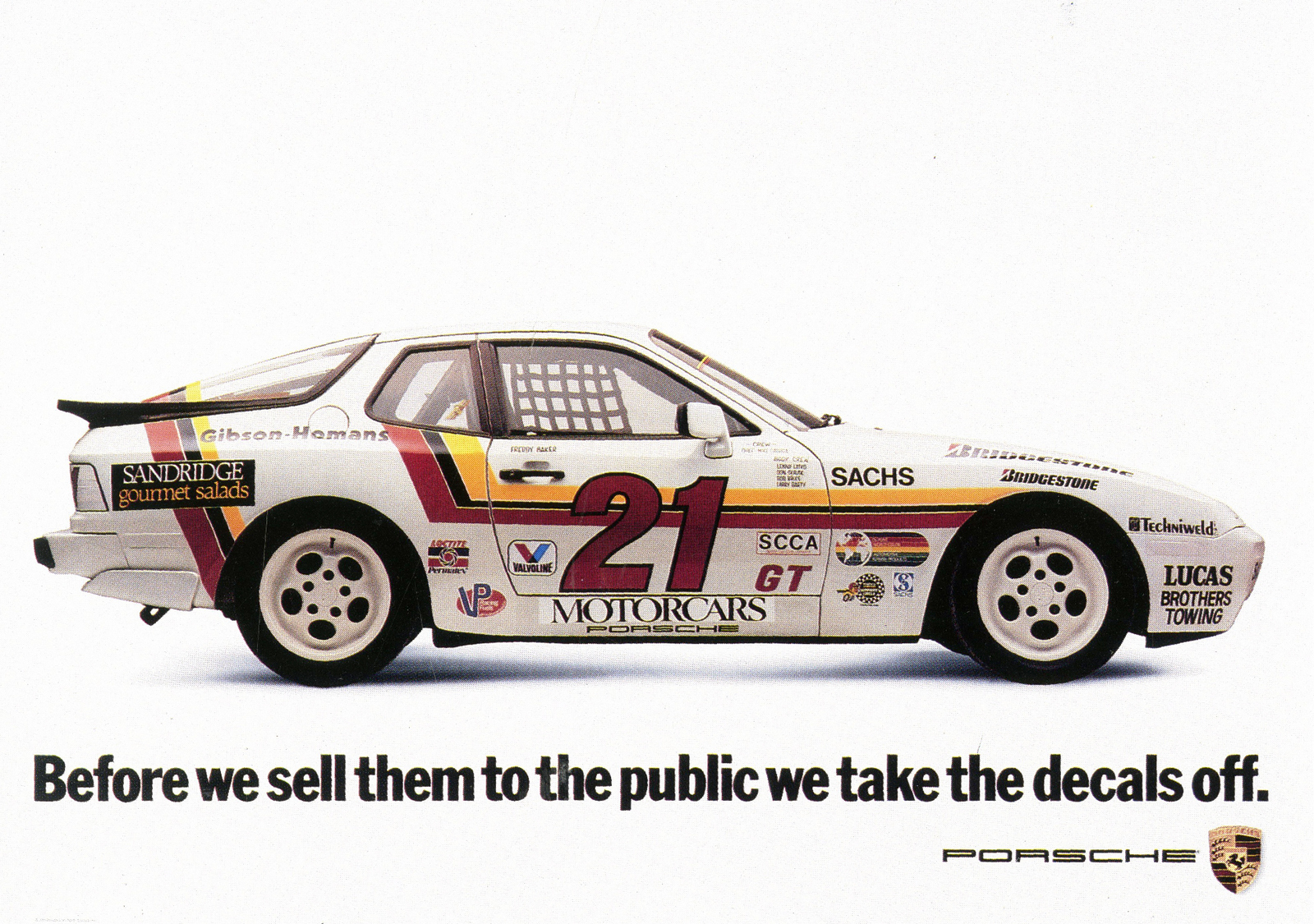

What’s the difference between writing for a premium brand like Porsche and writing for a mass brand?None. The most important thing a copywriter can do is write to the brand’s essence.If someone sees an ad and they say: “Oh that’s a premium ad,” then they are seeing too much.The writer has tried too hard to fit into a category rather than just write to the brand. Additionally, if someone sees an ad and they say, “That’s a Fallon ad.” Or a Wieden ad. Or even a Fenske or Riswold ad, then the agency or writer has injected too much of itself/his/herself into the ad. It has to speak from the point of view of the brand.
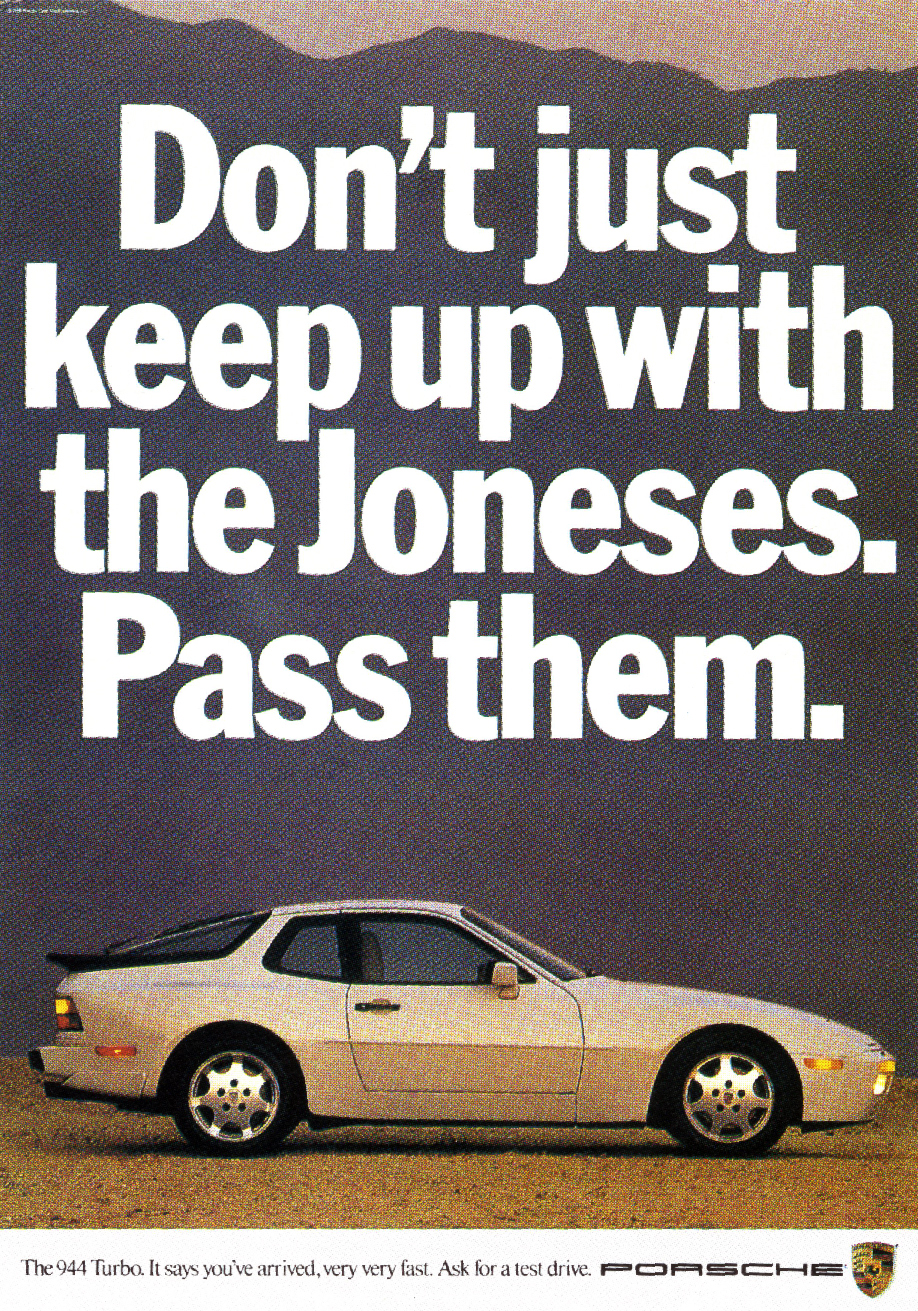
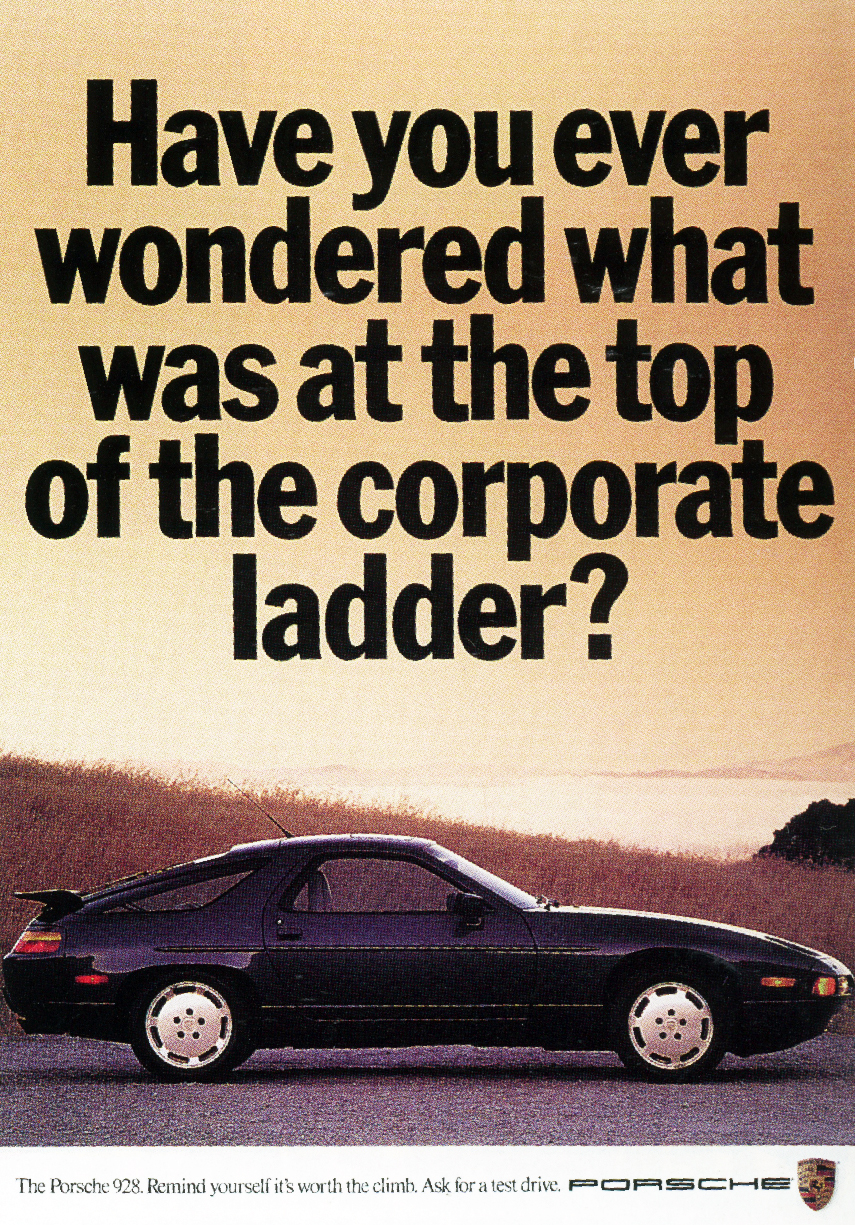
Many of the Porsche ads riff on idioms and cliches, like keeping up with the Joneses or the poor airline food, but the ads don’t feel cliched or familiar, even today.Well, if you watched this year’s Superbowl ads, you saw a “Keeping up with the Joneses” ad for Toyota, so I guess some things never get old. Or maybe they do, but history just repeats itself.My guess is that these things work because they all have a common meaning across a wide section of the audience.If you start with something most people have in common in terms of language or imagery, then you have a chance at getting them to understand your message.Also, creativity is simply this: the art of putting two disparate things together to make something new.Idioms and cliches are one way to do that.I think the benefits are it's a reference point that many people understand.
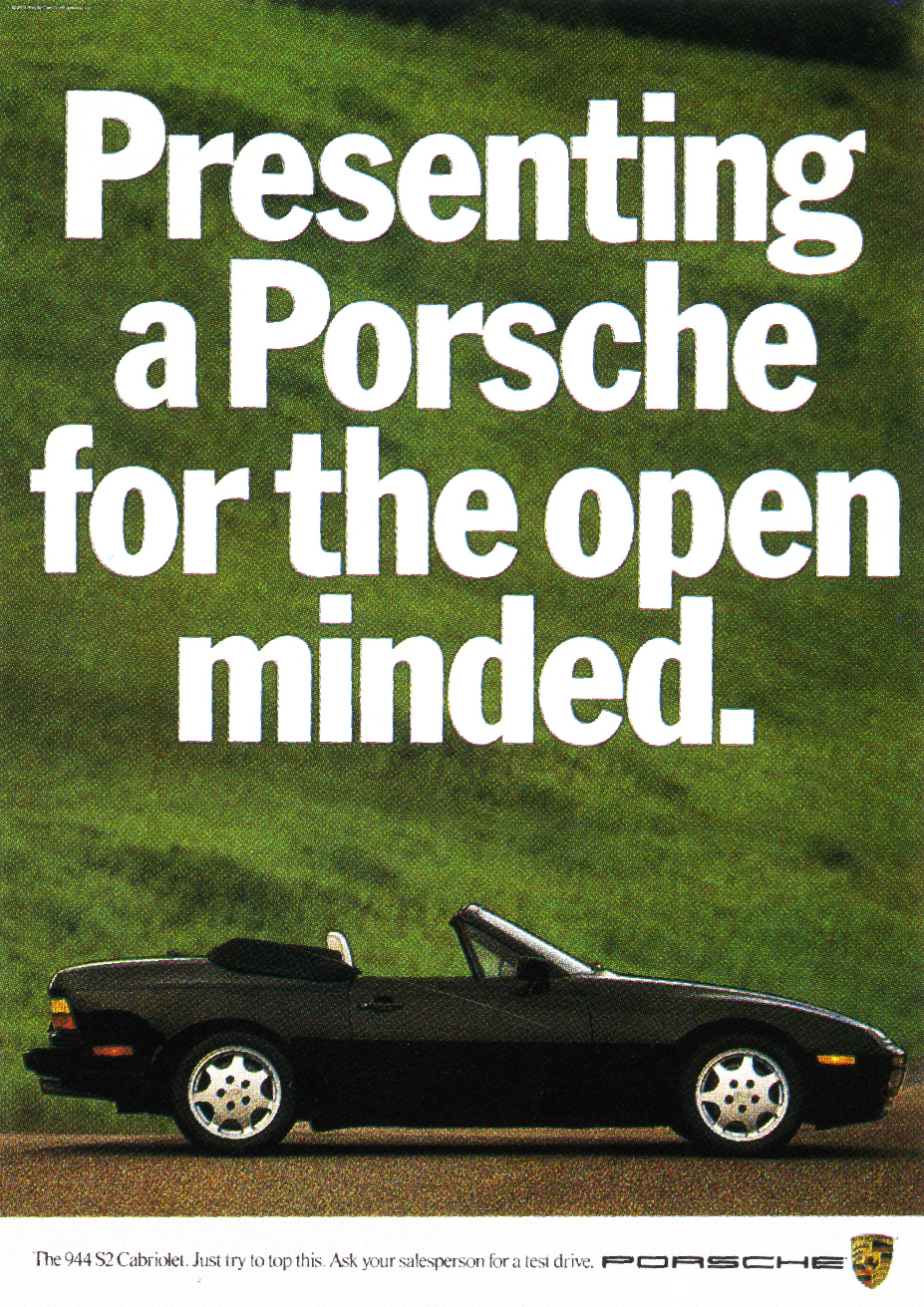
What’s the best Porsche ad you’ve written and why?The best Porsche ad I wrote was probably the airline food ad with the Carrera 4. (“It’s about as fast as you can go without eating airline food.”)The brilliant Bob Brihn was my art director partner and we probably created about 40 Porsche ads together.Mostly, for the dealer ad kit or their in-store experience.But people went nuts over this one.
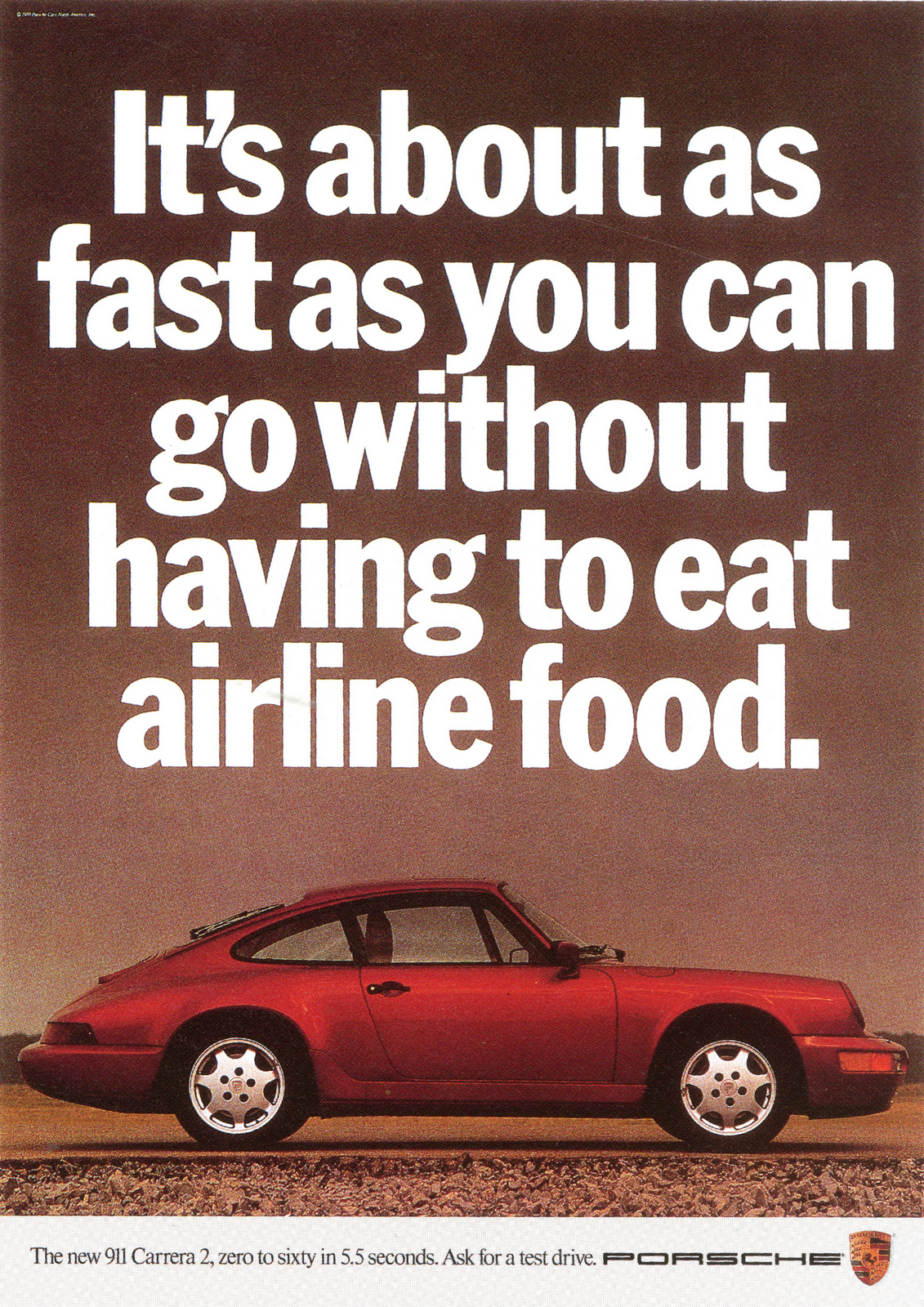
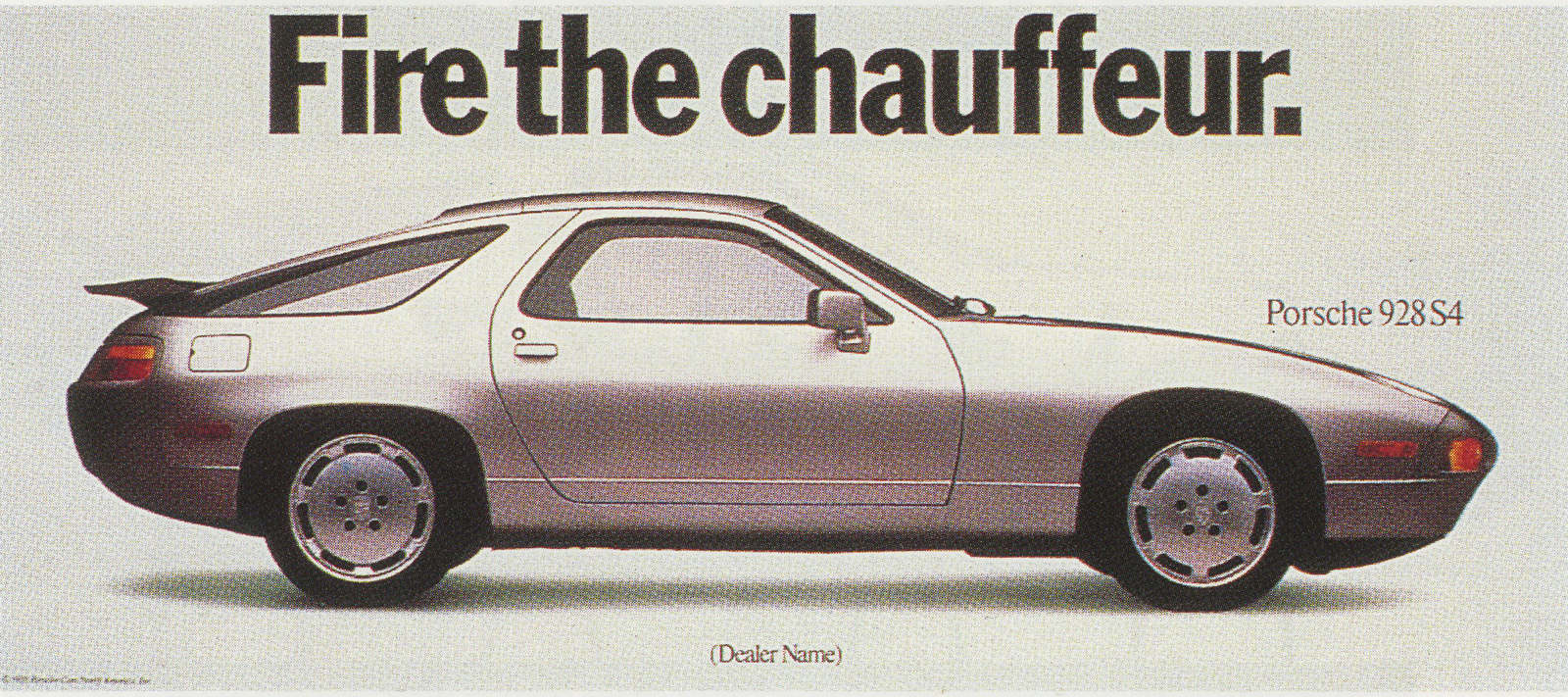
And quite frankly, it surprised me. I like it too, but some things just take off.Tom loved it. Tim Delaney loved it. Hal Riney loved it.It won awards (D&AD award, One Show, etc).But perhaps the most flattering compliment was that someone stole the headline and put it on a 928 and changed the layout. You’re nobody until someone steals from you.I would have loved a chance to write more thoughtful, longer copy ads for Porsche, but as I mentioned, I was a junior writer at the time and I was happy for whatever assignments fell into my lap.What’s the best Posrche ad someone else has written and why?Most Porsche ads consist of a beauty shot of the car and a really great line.This was the Porsche voice and advertising style that was established at Chiat Day and that we endeavored to carry on at Fallon McElligott.But, as I mentioned, the best ads grow out of the brand’s essence and contain some truth or nugget of insight that engages as well as adds to the brand bank.There are many ads in this vein, but one of my favorites is this one:This ad takes a known truth about Porsche (something that has its roots in Volkswagen) and flies it in the face of all the other auto ads from that time that were touting “clean sheet of paper” designs.
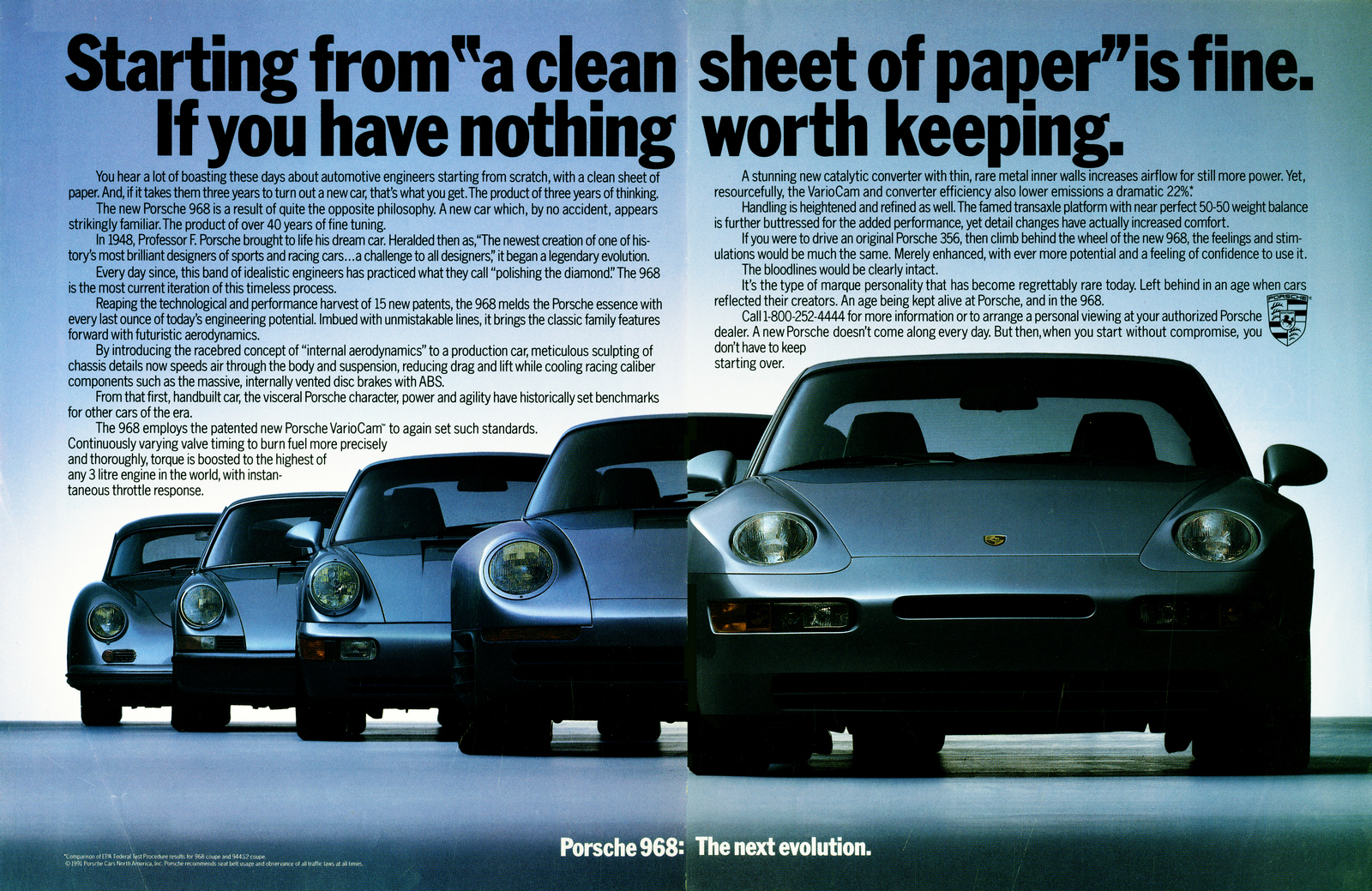
And if my memory serves, this was written at the time Chiat was relaunching the Nissan Z with their “clean sheet” campaign. (Ironically, the very account they won which forced them to drive Porsche to Fallon McElligott.)What’s the best ad for a car you’ve ever seen?Obviously, there is a rich history of wonderful automotive advertising.It’s the category that makes and breaks agencies as well as creatives.But the best ad I ever saw was for the Mazda RX7.
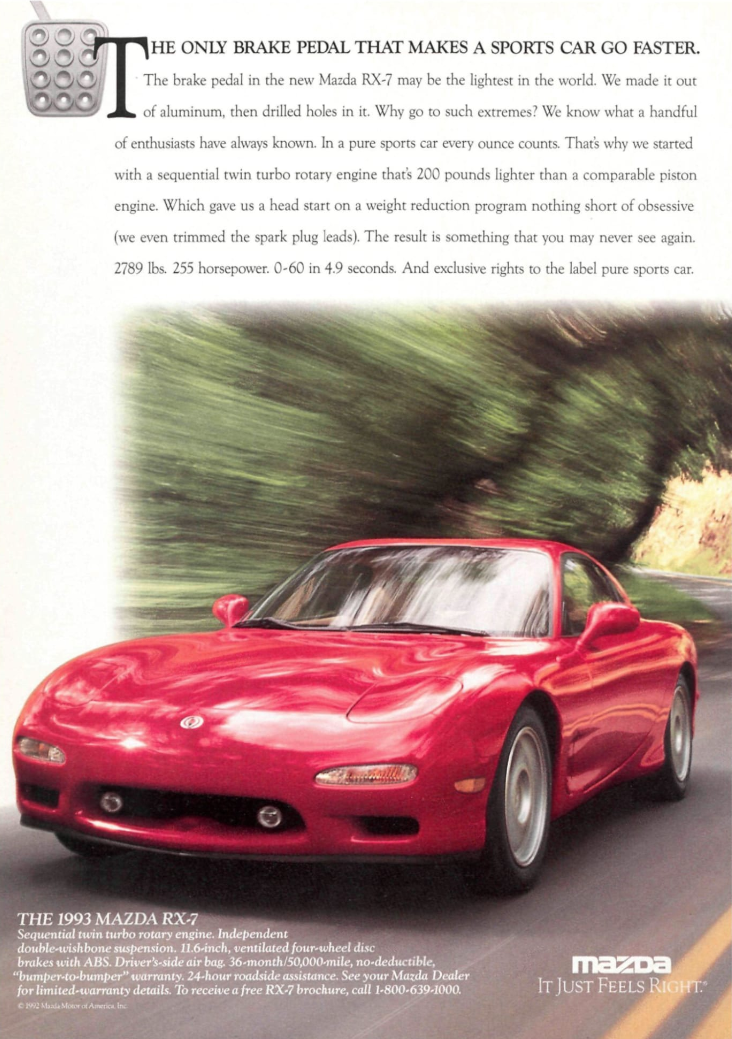
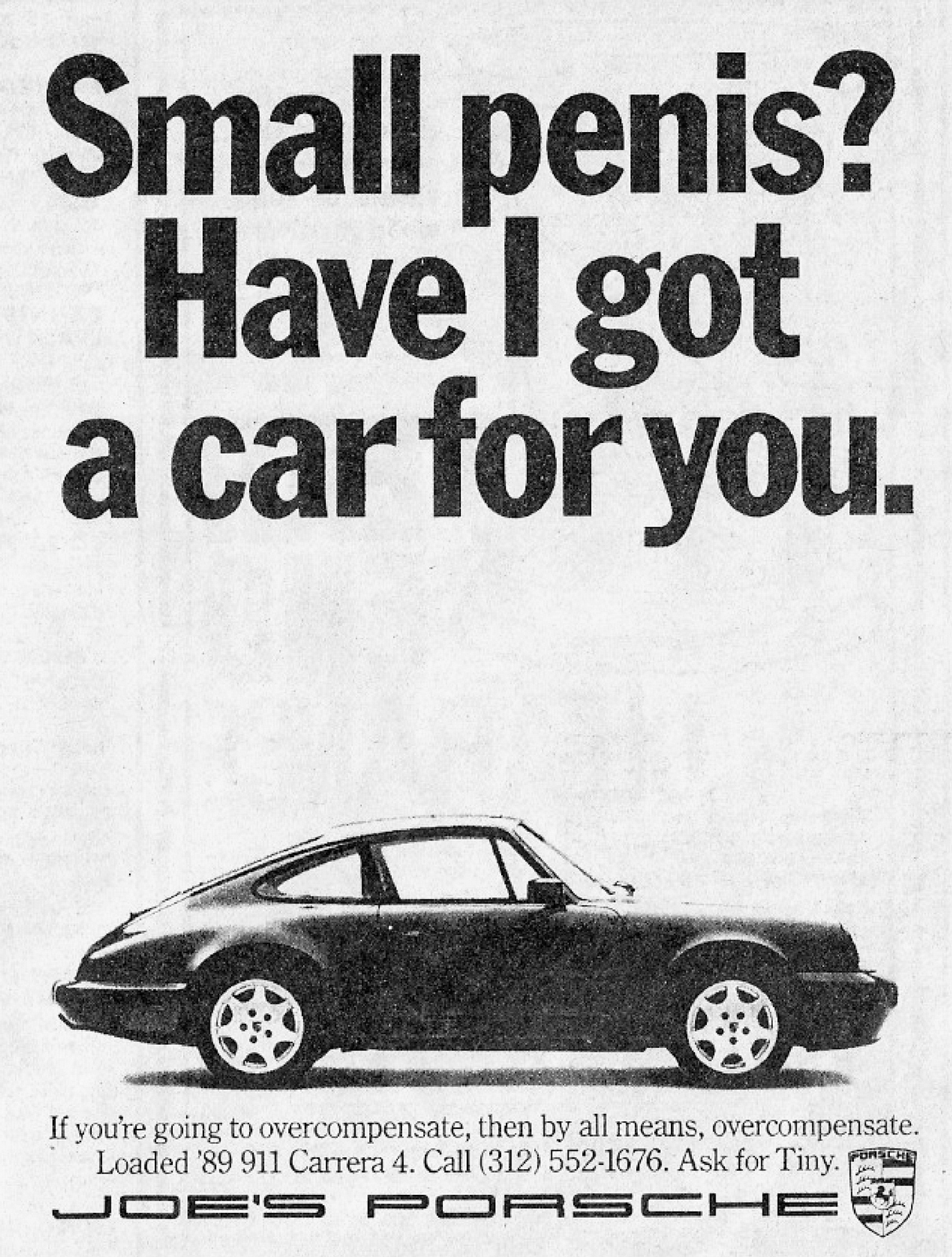
Their whole campaign was about weight reduction and power to weight ratio.This particular ad talks about why they crafted their brake pedal out of aluminium and then drilled holes in it (a practice taken from the race track).It not only grew out of a key insight (true sport car owners want a true sports car), but it spoke directly to the audience they sought.I know. I bought one because of this ad.Arguably, your most famous Porsche ad wasn't written for Porsche?Even though Joe Sciarrotta (my partner who founded The Leap Partnership with me) didn’t like “fake” ads – you know, the ones for dentists and dog groomers – we had done our share of them.At any rate, as we got older, we decided the only good ads were ads that were created on behalf of real clients and that solved real problems.As one final hurrah, we thought we would show the world how easy it was to win awards for these types of ads.So, Joe said, “Let’s do an ad for my car.”Thus, Joe’s Porsche was born.We did a series of three ads and placed them in local papers.We cleaned up. Tons of awards and accolades. We laughed all the way to the awards stage.
Which writer has had the most influence on your work?Hands down, Tom McElligott. His intelligence, his wit and his writing ability influenced my entire career.However, there were two others not far behind.Neil French. In fact, Joe Sciarrotta and I were so smitten with his genius we named our agency, The Leap Partnership, in the style of The Ball Partnership, Neil’s agency. He has written so many incredible things but this one I still think of to this day…And 2), Hal Riney. I have always said I learned print from Tom and TV from Hal. I can’t think of two better mentors for a copywriter to have.What did you learn from Tom McElligott?Tom never “taught” me things per se, but the best teachers lead by example. It’s up to the students to pay attention. In this manner, Tom taught me how to write with intelligence, style and thoughtfulness. In later years, Tom became a member of my board of directors and he taught me about business.The best lesson I learned at Fallon McElligott was one that both he and Pat Fallon taught me together.They always said, “Never talk about yourself. Let your partner do that.”To the press, Tom always spoke highly of Pat, while Pat always talked up Tom’s talents.The words they used were not only believable, because they were true, but Tom and Pat never sounded arrogant that way.This allowed two legends to grow even more legendary.What single tip would you give a young copywriter working on an up-market brand for the first time.Understand your brand and write to that voice.


Lorem ipsum dolor sit amet, consectetur adipiscing elit. Suspendisse varius enim in eros elementum tristique. Duis cursus, mi quis viverra ornare, eros dolor interdum nulla, ut commodo diam libero vitae erat. Aenean faucibus nibh et justo cursus id rutrum lorem imperdiet. Nunc ut sem vitae risus tristique posuere. uis cursus, mi quis viverra ornare, eros dolor interdum nulla, ut commodo diam libero vitae erat. Aenean faucibus nibh et justo cursus id rutrum lorem imperdiet. Nunc ut sem vitae risus tristique posuere.
Delete