

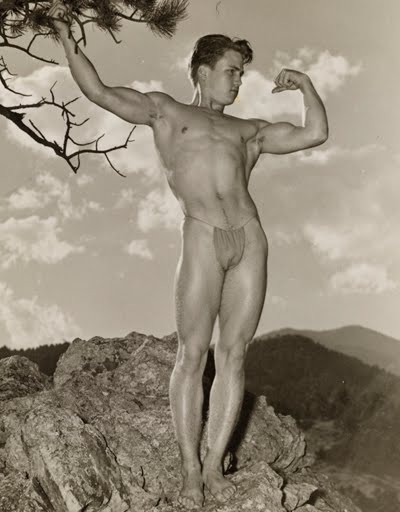
Google ‘Pat Burnham’ and no ads appear, just thousands of images of that dude pop up, a shame, because Pat Burnham wrote and Creative Directed a ton of great creative work. (He certainly wrote better ads than the dude above.)
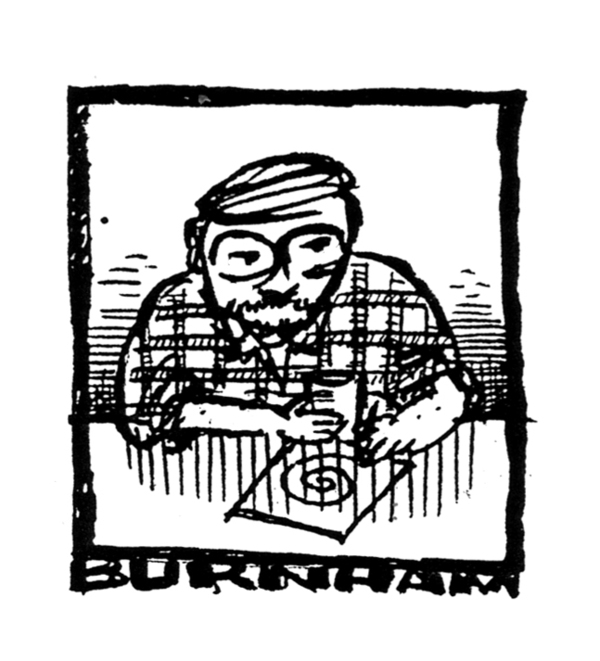
This was the one I was after. (Captured here by Tom Litchenheld’s pen.)After I put up the Tom McElligott post, I got a lot of feedback.Aside from the hundred-ish comments on the blog, I got a similar number of emails.They divided into three sections: a)‘Thanks.’ b)‘It wasn’t all Tom.’ c)‘Pat Burnham.’The last batch were either pointing out that some of the work I’d posted was Creative Directed by Pat, or that when Pat took over the Creative Director’s seat he the quality of the work went up a notch, or both.Then, late in the day, something pops in my inbox from a ‘Pat Burnham’.Here we go, he’s probably going to tell me ‘It wasn't all Tom, what about Me, I did that ad, this one I Creative Directed', etc, etc.Wrong.‘I really enjoyed your post. The ads brought back so many memories. Thanks. Pat’Pat Burnham was one of the few people who didn’t tell me how great Pat Burnham was.It started quite a long email chat, which I’ve put together as a kind of interview. (As usual, virtually no commercials from his reign are on that, supposedly amazing, Google thing everyone bangs on about. If anyone has them or knows where they are, please get in touch.)So here's what I’ve discovered about Pat:1. He wasn't an oiled up body builder in the fifties, he was the first creative hired by Fallon McElligott.2. He did a lot of their early famous work.
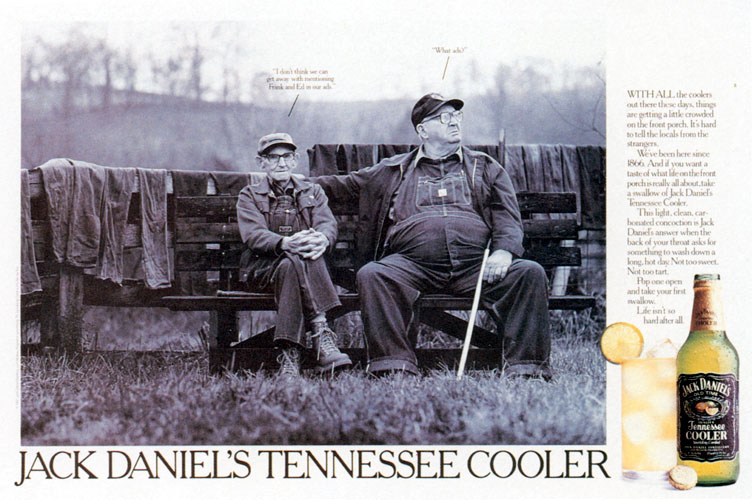
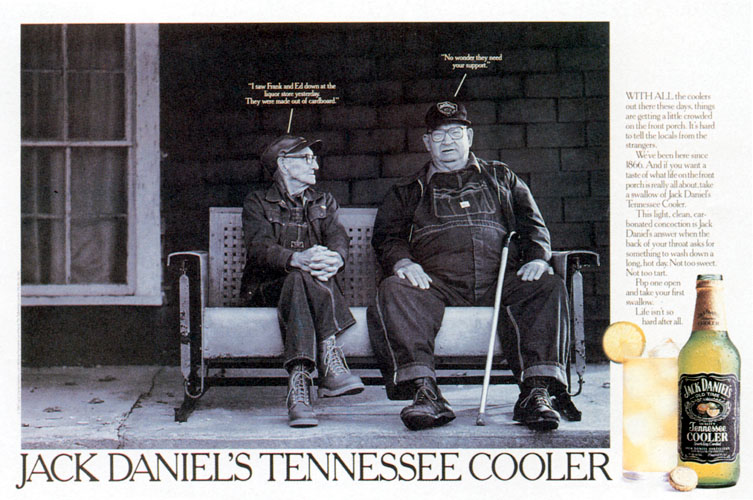
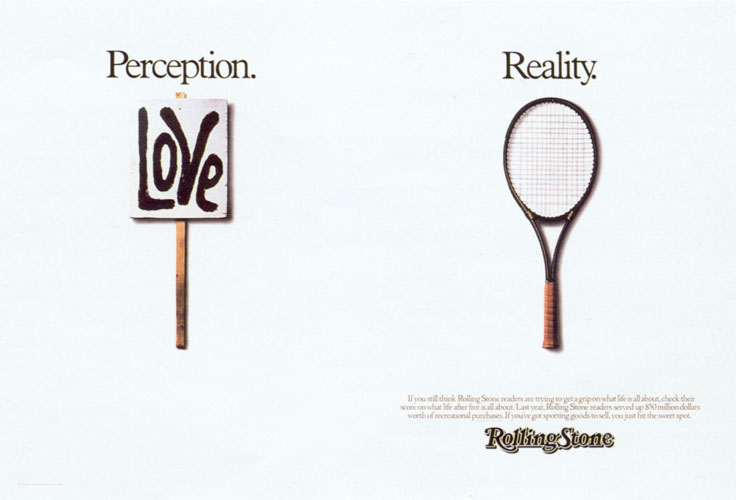
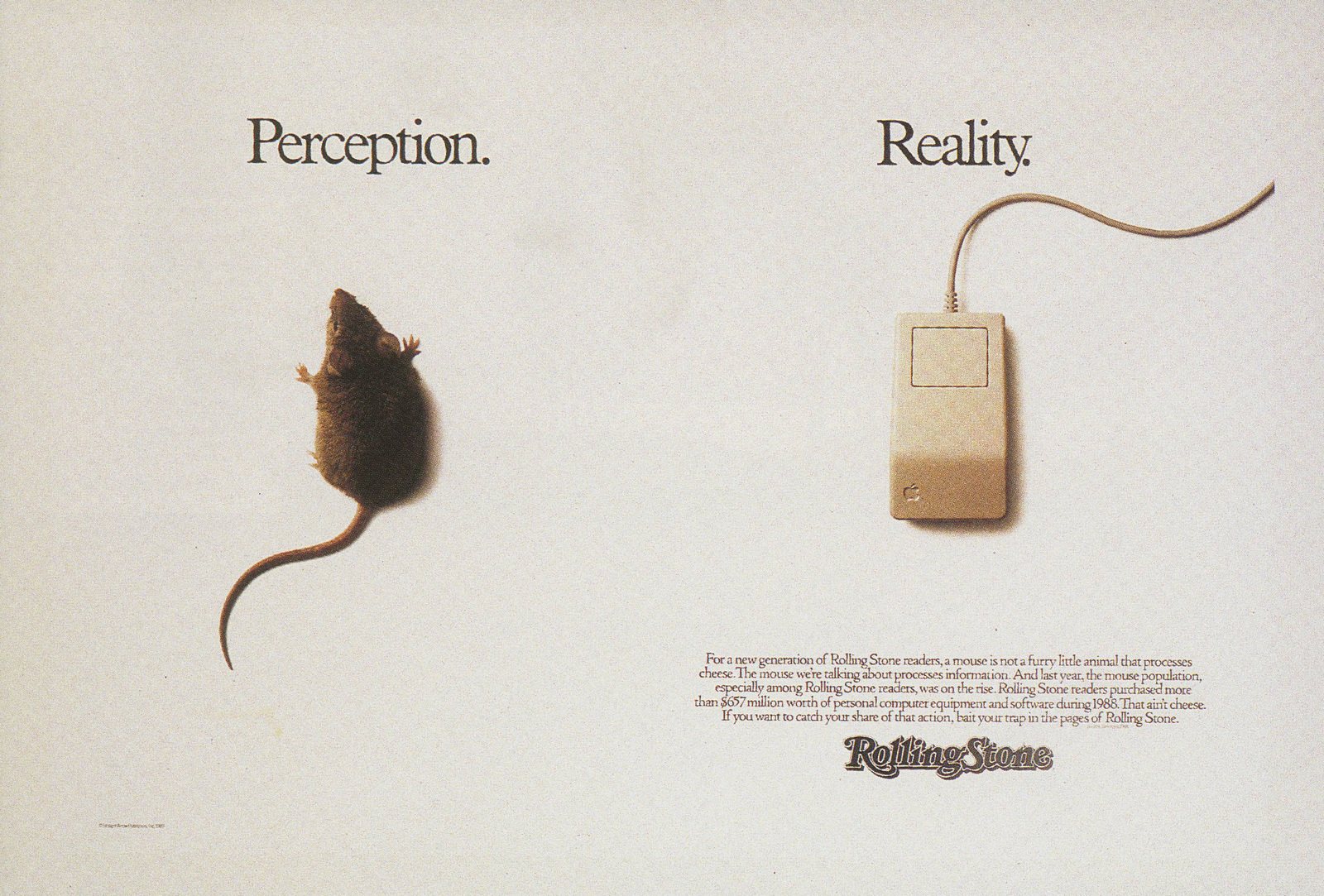
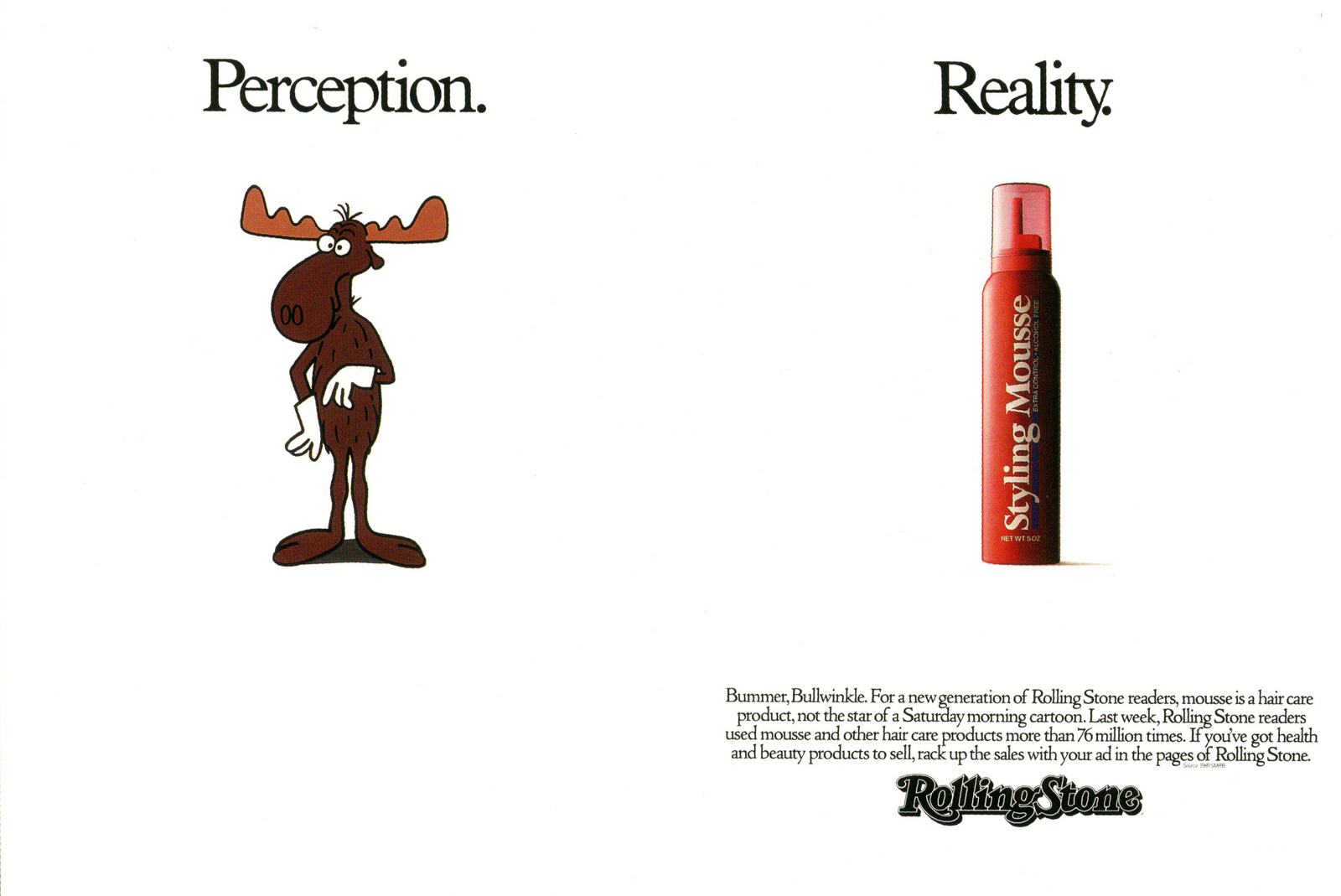
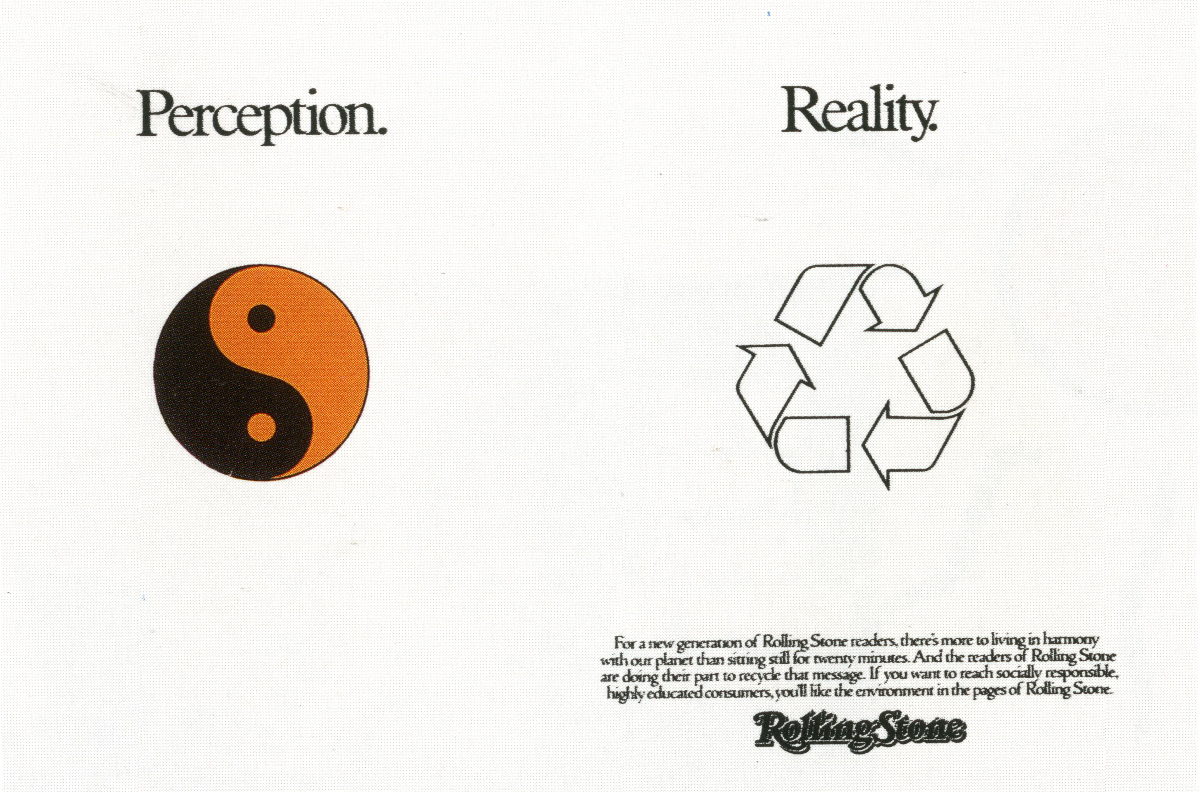
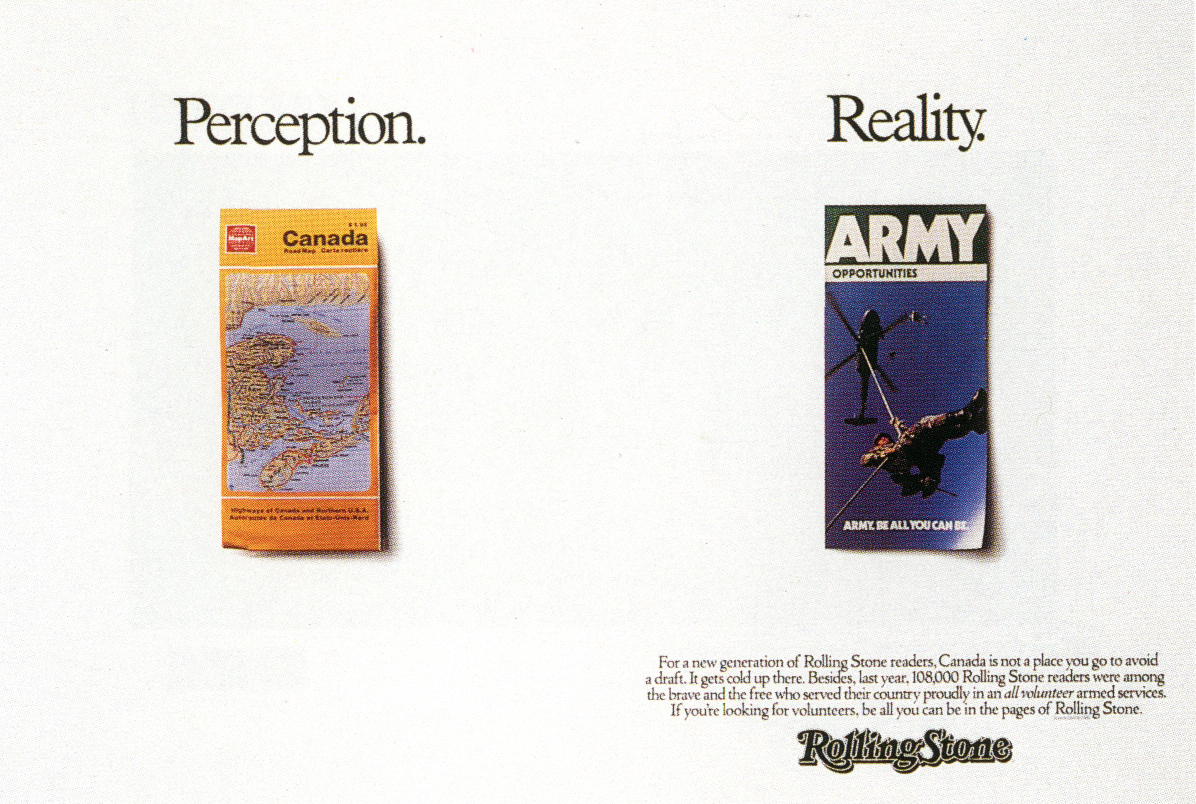
3. He took over from Tom McElligott as Creative Director of Fallon McElligott. Tough gig.4. Under his Creative Directorship, Fallon McElligott continued to produce truly great creative work.
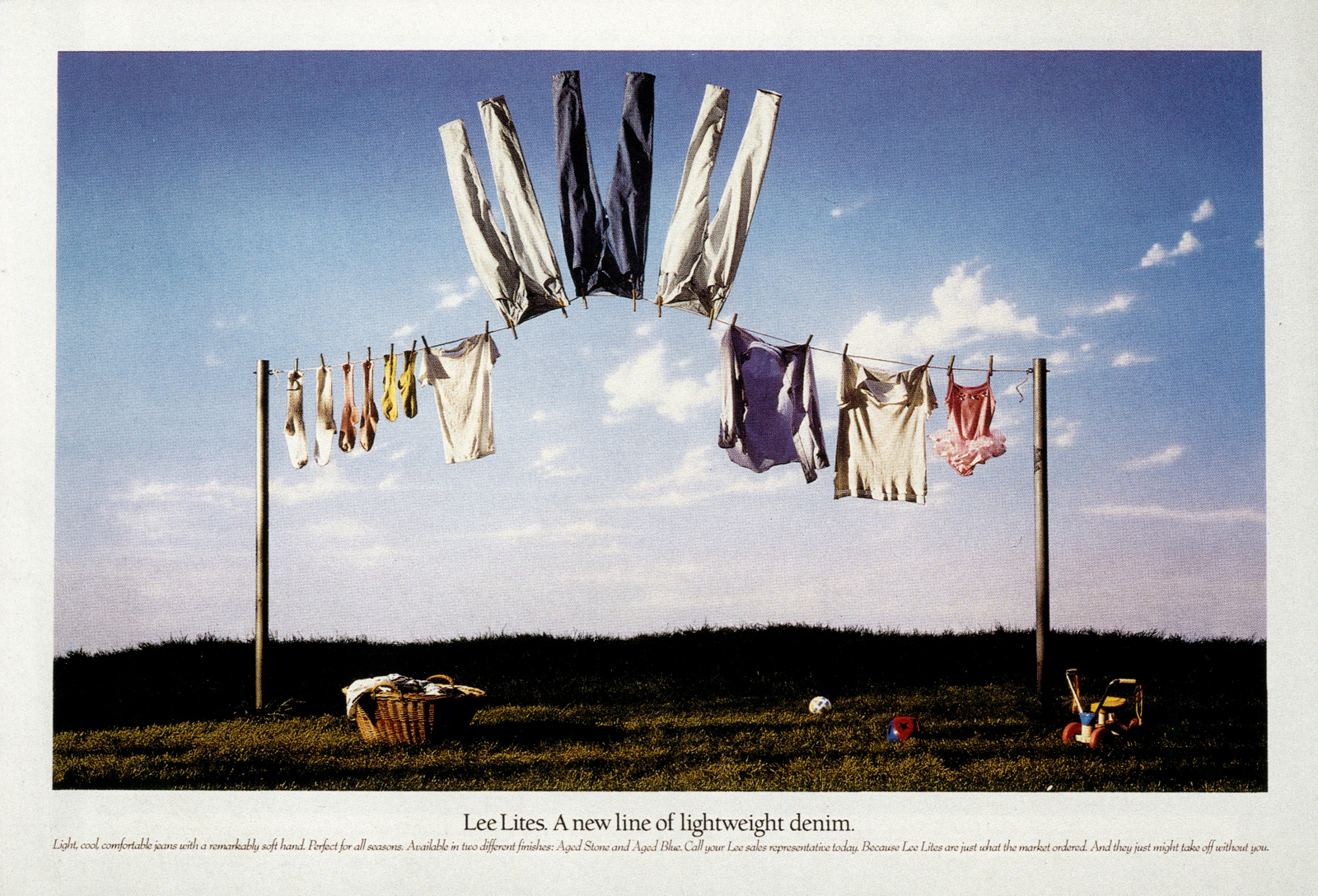
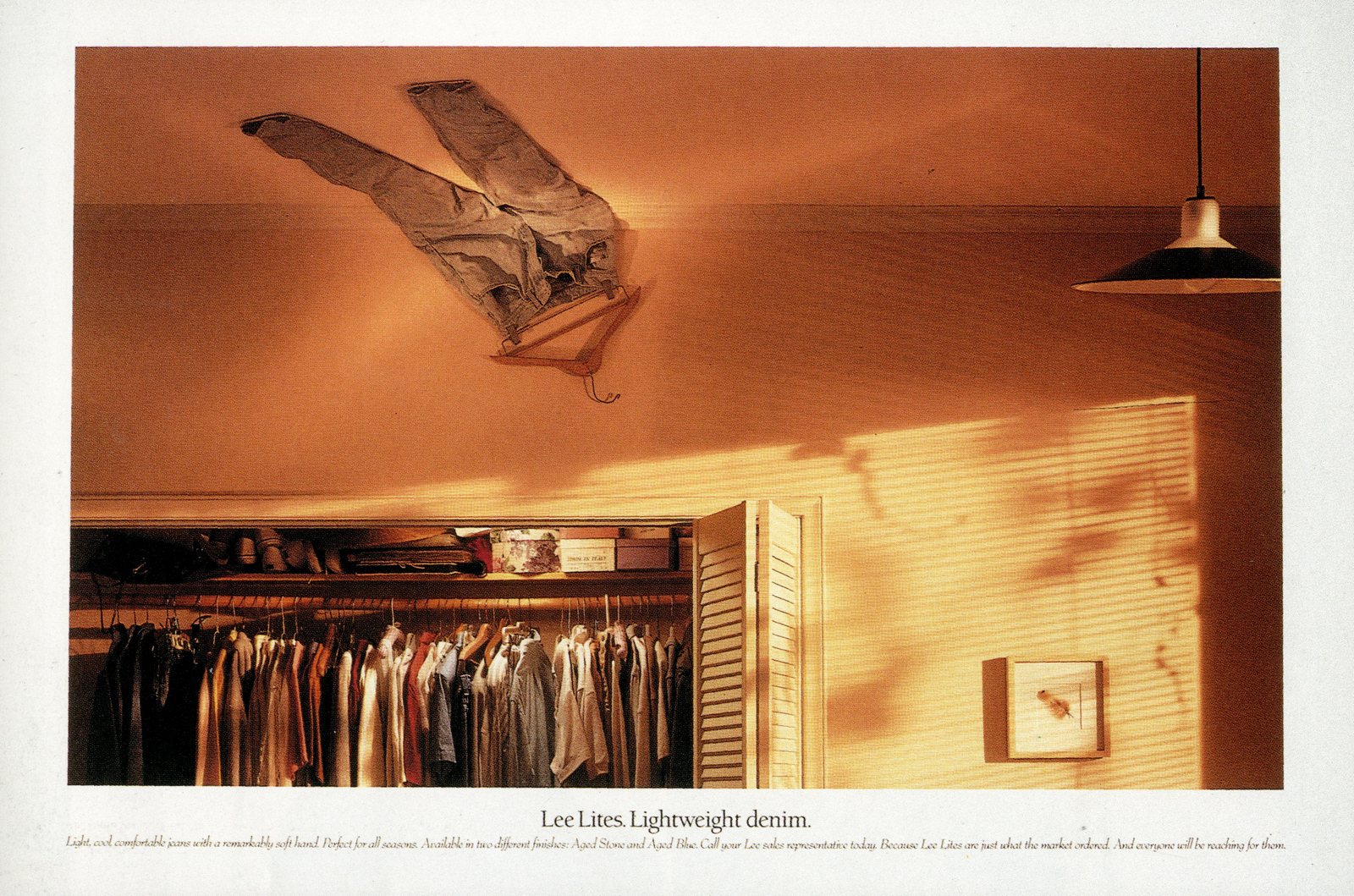
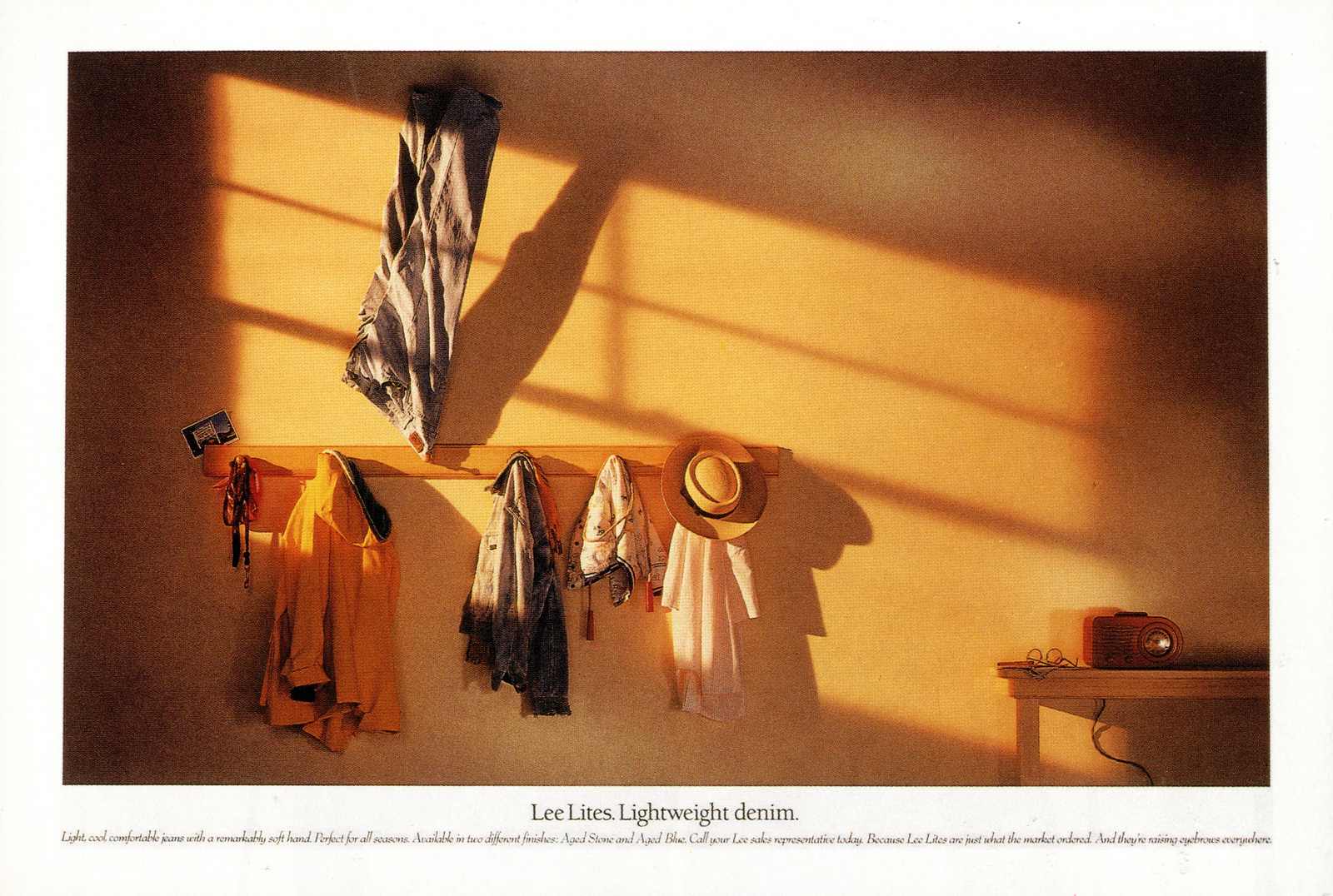
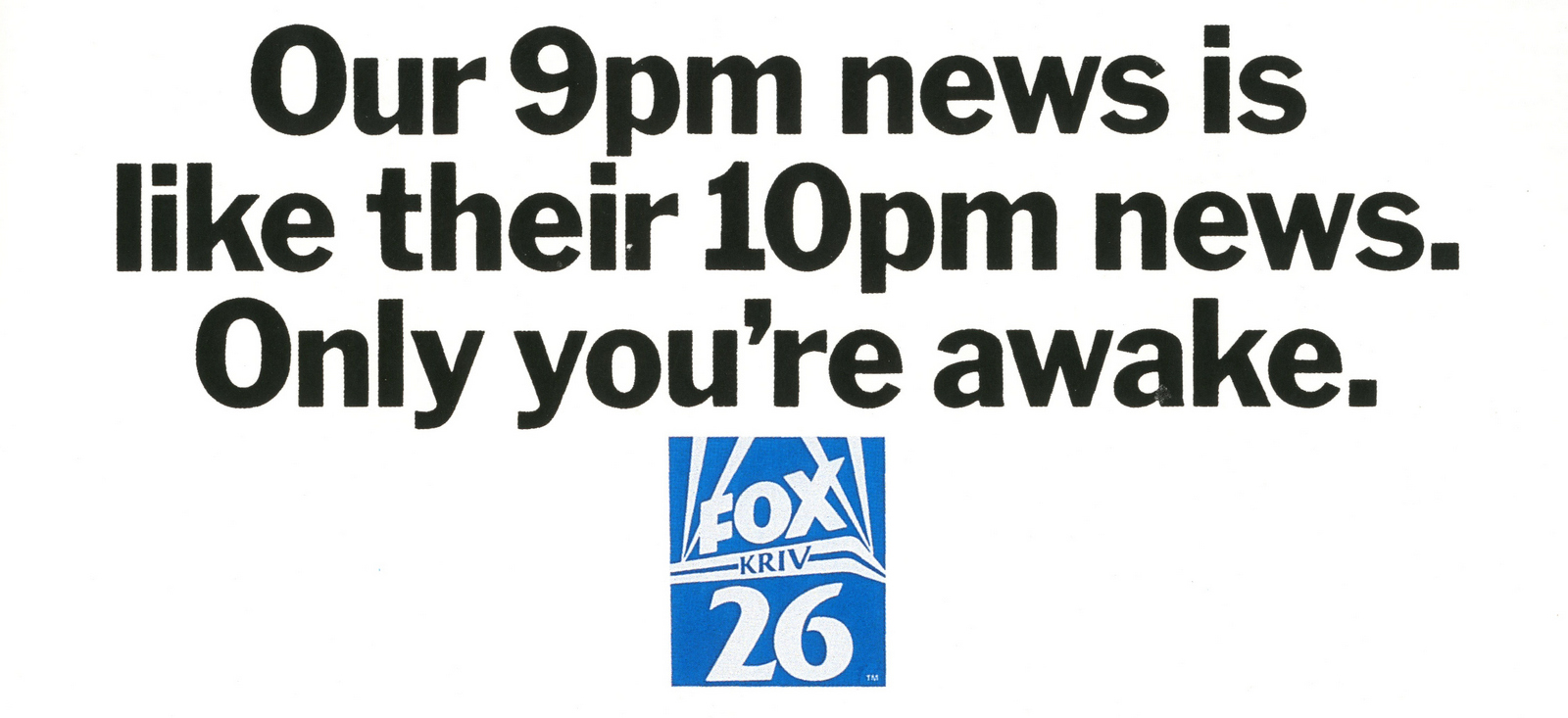
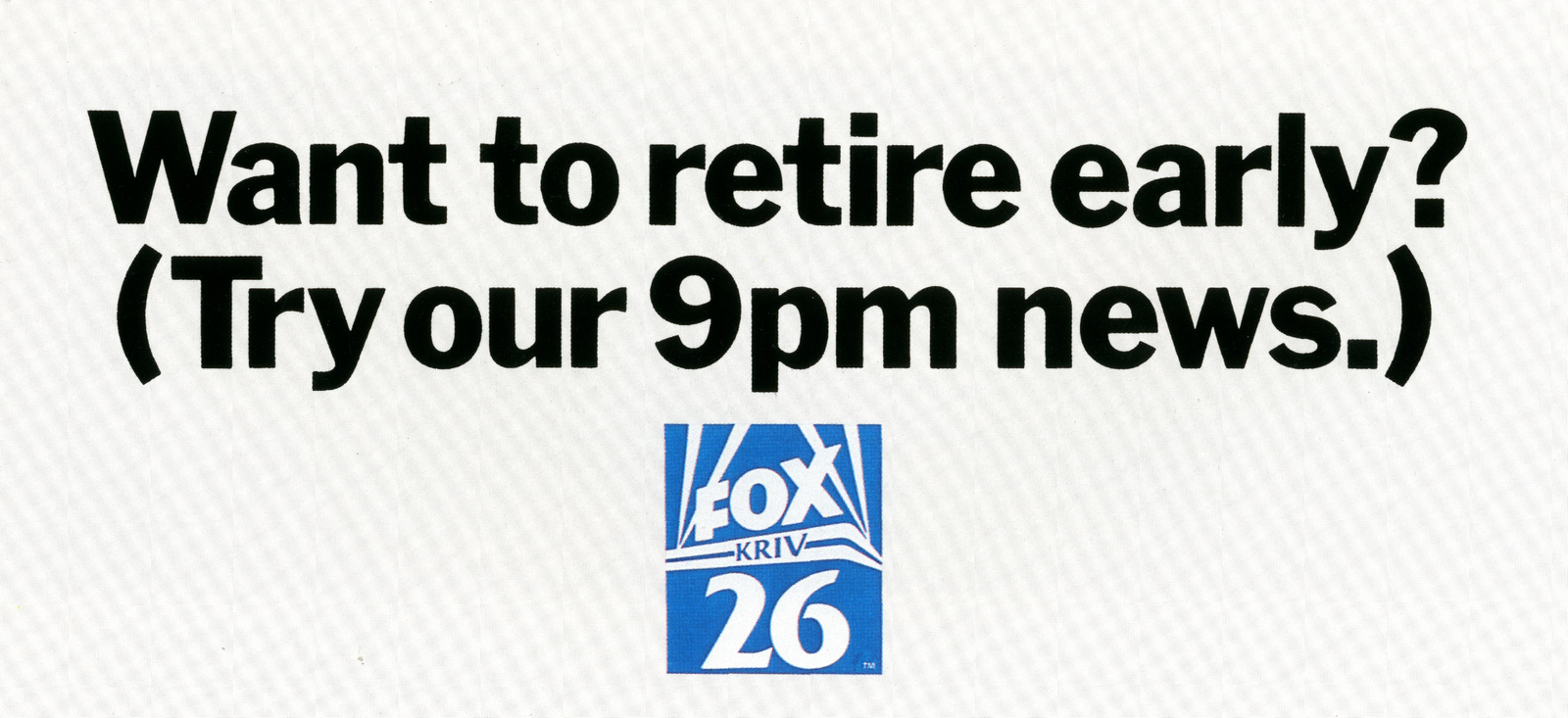
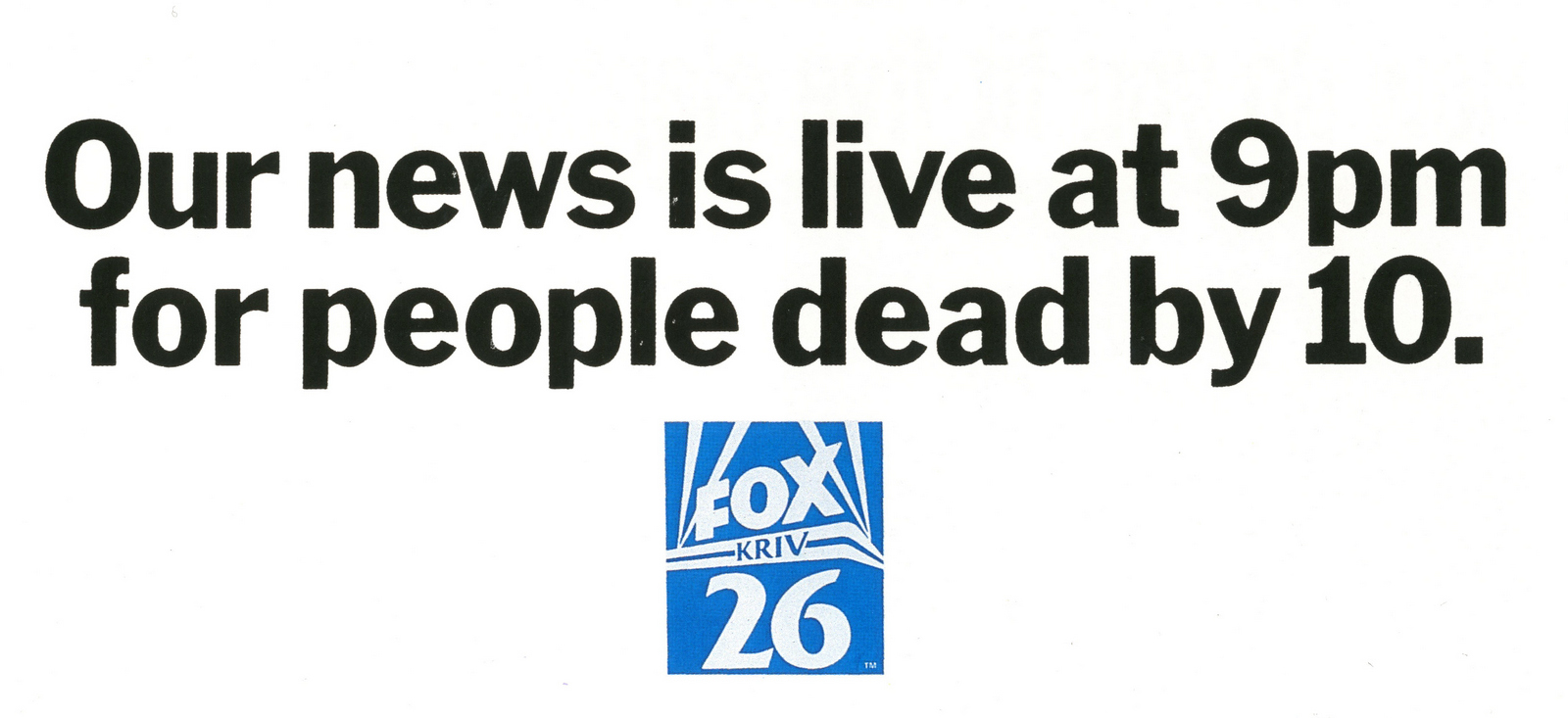
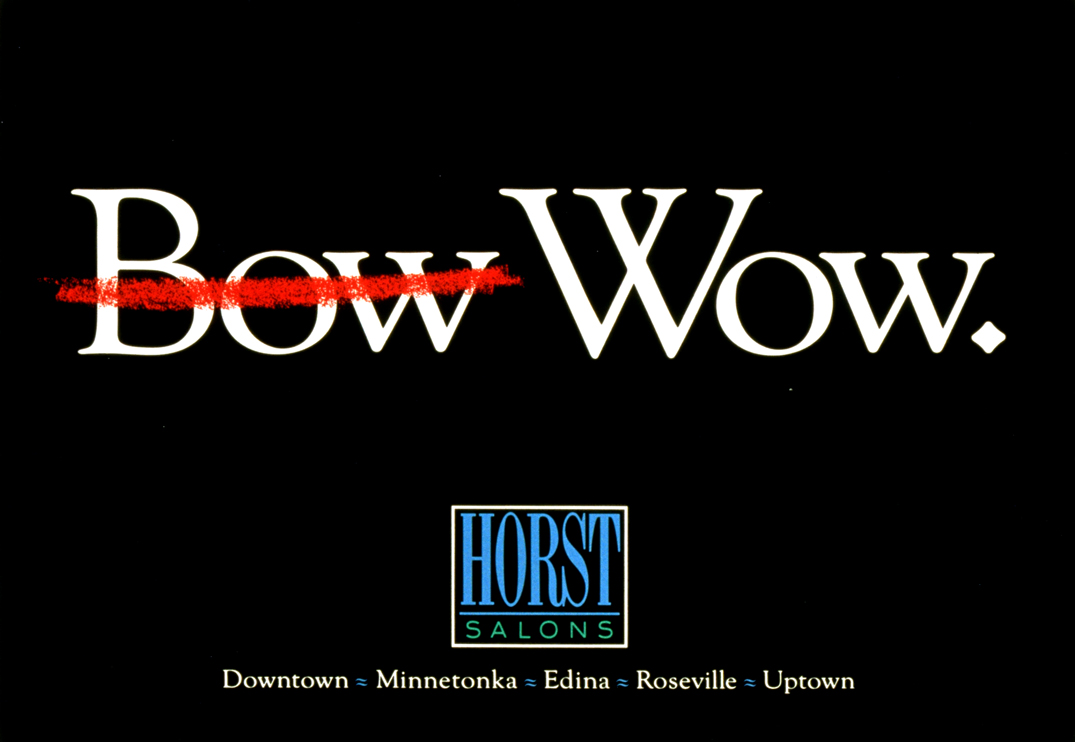
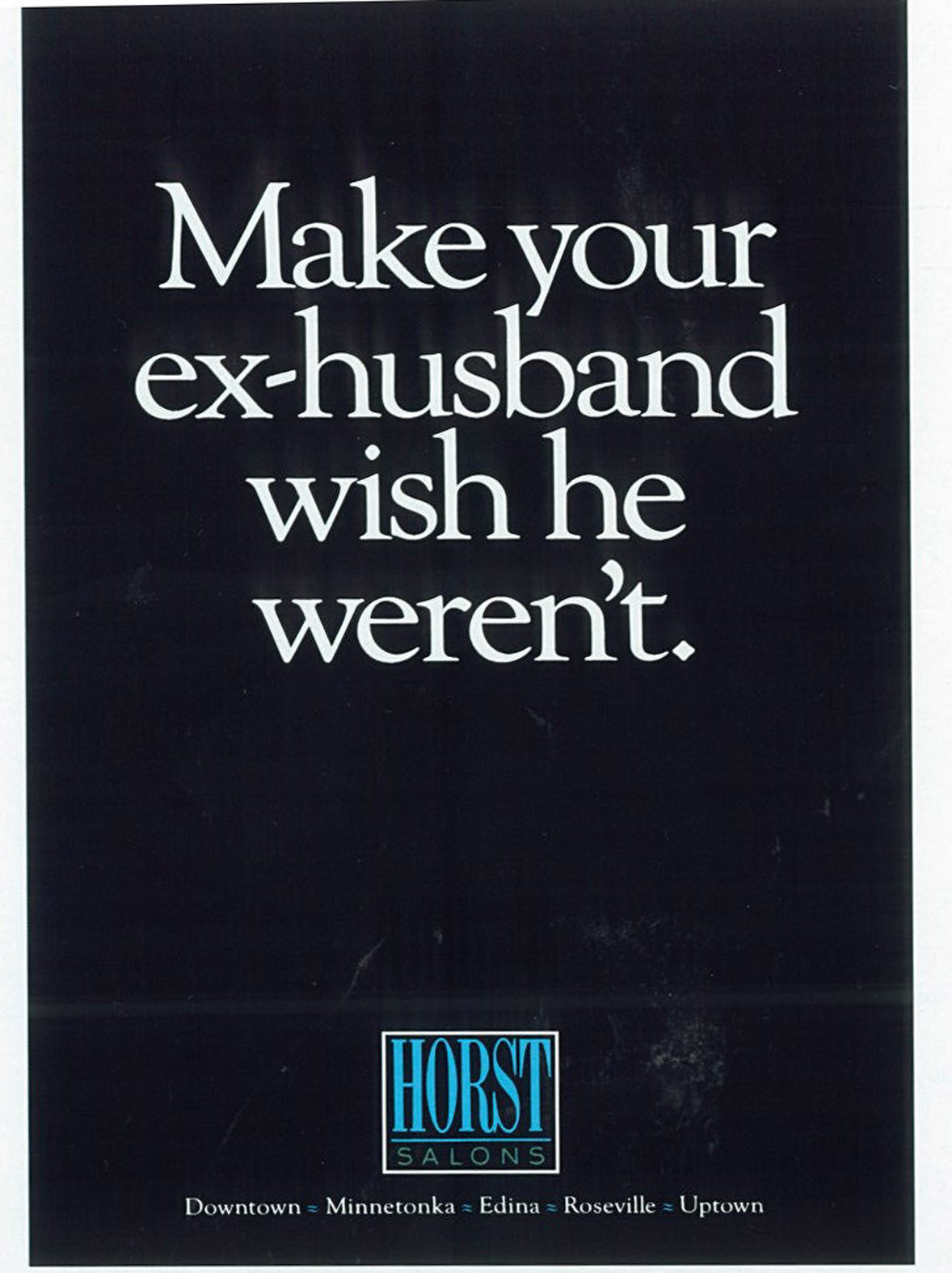
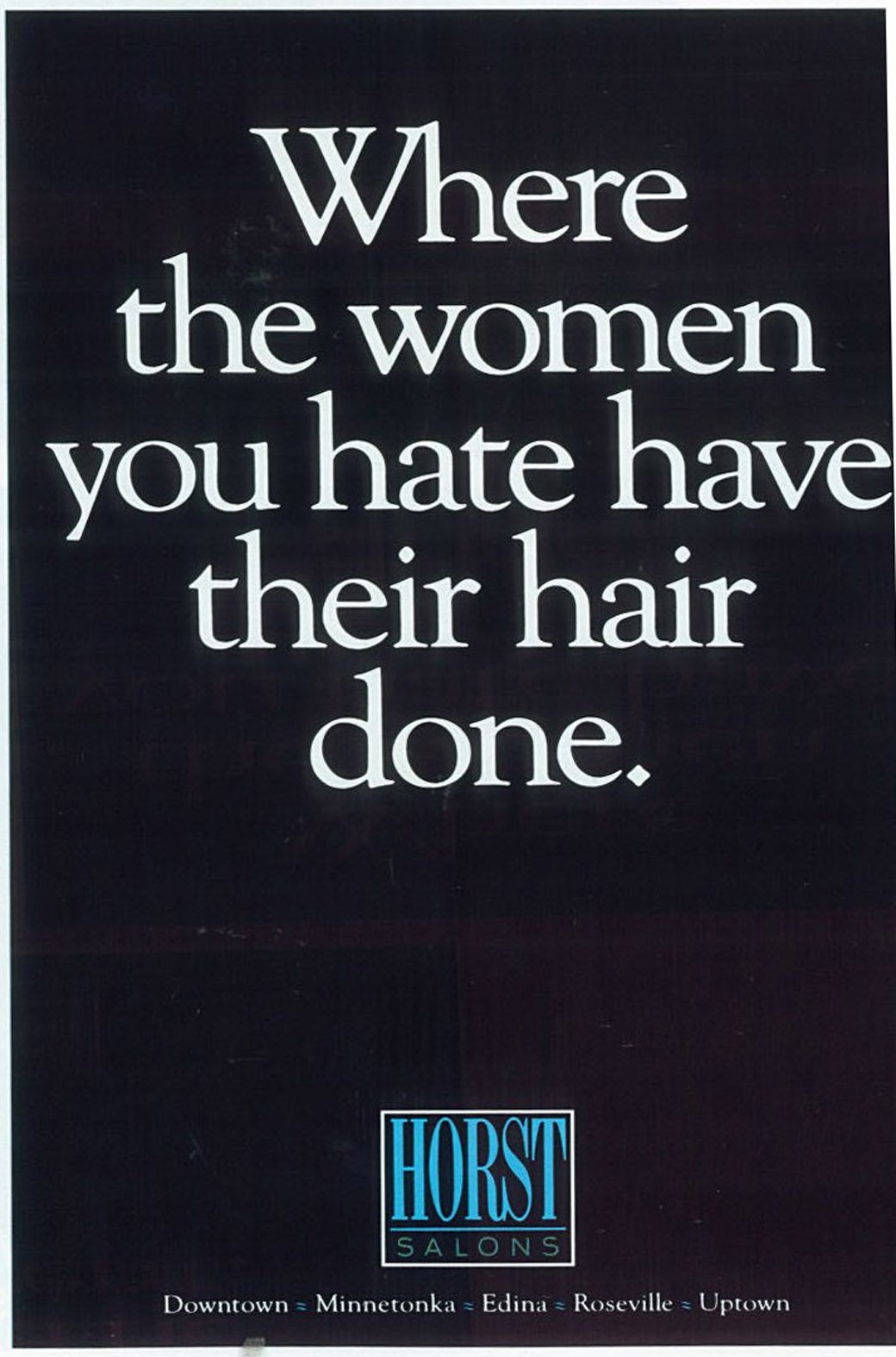
5. He in believed in study.Here’s a quote from a former member of his creative department:“Pat Burnham who taught me this exercise:Take a stack of One Show and/or CA ad annuals.Use PostIt Notes to mark your favourite ads.In the first run, mark as many ads as you like.Then, distil your favourites down to no more than 10 for each year/book.Now you can do three things with your curation of advertising.1) Transcribe each of the ten ads.Take a blank sheet and trace or draw the artwork.Write out all the words by hand.If it’s an interactive experience or film, you might draw multiple frames.For extra credit, do the same exercise with your computer and set the type, etc.But start with a pencil and paper and do it by hand.2) Photocopy the ten ads/experiences.Put them over your work area.Make sure your next assignment is good enough to be “the 11th ad” on the wall.3) Make a spreadsheet and write down who was the Copywriter, Art Director, Designer, Creative Director, Technologist, etc.Then find those people on LinkedIn, or their personal websites.Figure out their email addresses.Then write each one an individual, personal message and talk about your process, (above), and what you think about their work.Not a bad way to start building or enhance your network.There’s a ton of value in the awards annuals. If you go looking for it.”


6. He believed in new:“An instructor at the U of M told our class that we couldn’t get a good grade by writing a lot of facts and stuff about the subject.He said he knew just about everything there was to know about the subject because he’d been teaching the class for a long time.He said the only way to get a good grade was if he said to himself after reading our paper, ‘I hadn’t thought of it that way before.’ That, to me, is what ads are (or should) be all about.” – Pat Burnham.So Pat, It's 1988, Steve Martin, Jerry Seinfeld or Woody Allen?Woody Allen.
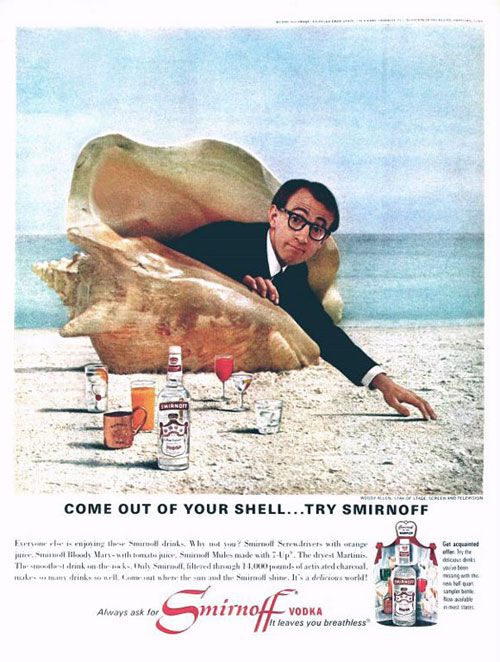
An album you couldn’t live without?Leonard Cohen.

American advertising in the seventies was a wasteland, why join it?I was spoiled.The school I attended steered me to great work for Fed Ex and other accounts,I ignored the rest of it.My first year in the business, I saw Joe Sedelmier’s reel and it changed my life.I came out of the screening room and saw life differently.I would never be the same.
You were Fallon McElligott’s first Creative, Tom obviously liked you, what did what did you make of Tom when he first interviewed you?Actually, I had known Tom at Bozell. We never worked together as writer and art director, but I knew him. So when he offered me a job, it wasn't out of the blue. I remember we sat by a fountain and Tom said we would buy up all the foam core in the entire city and pitch new accounts. I kept my mouth shut but it sounded to me like a lot of work. Tom was excited. That excitement started then and lasted for seven years. It got everything and everybody going.
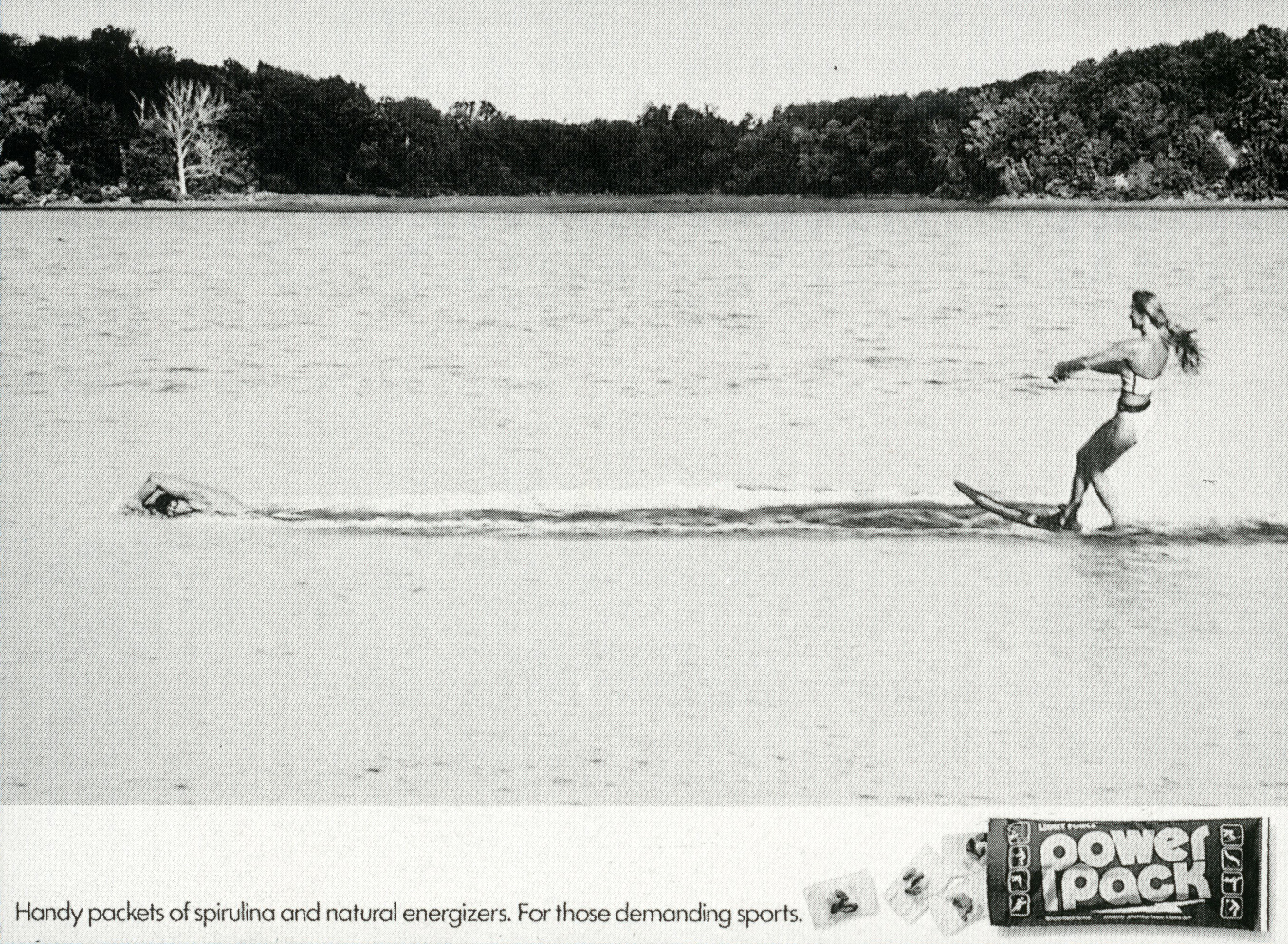
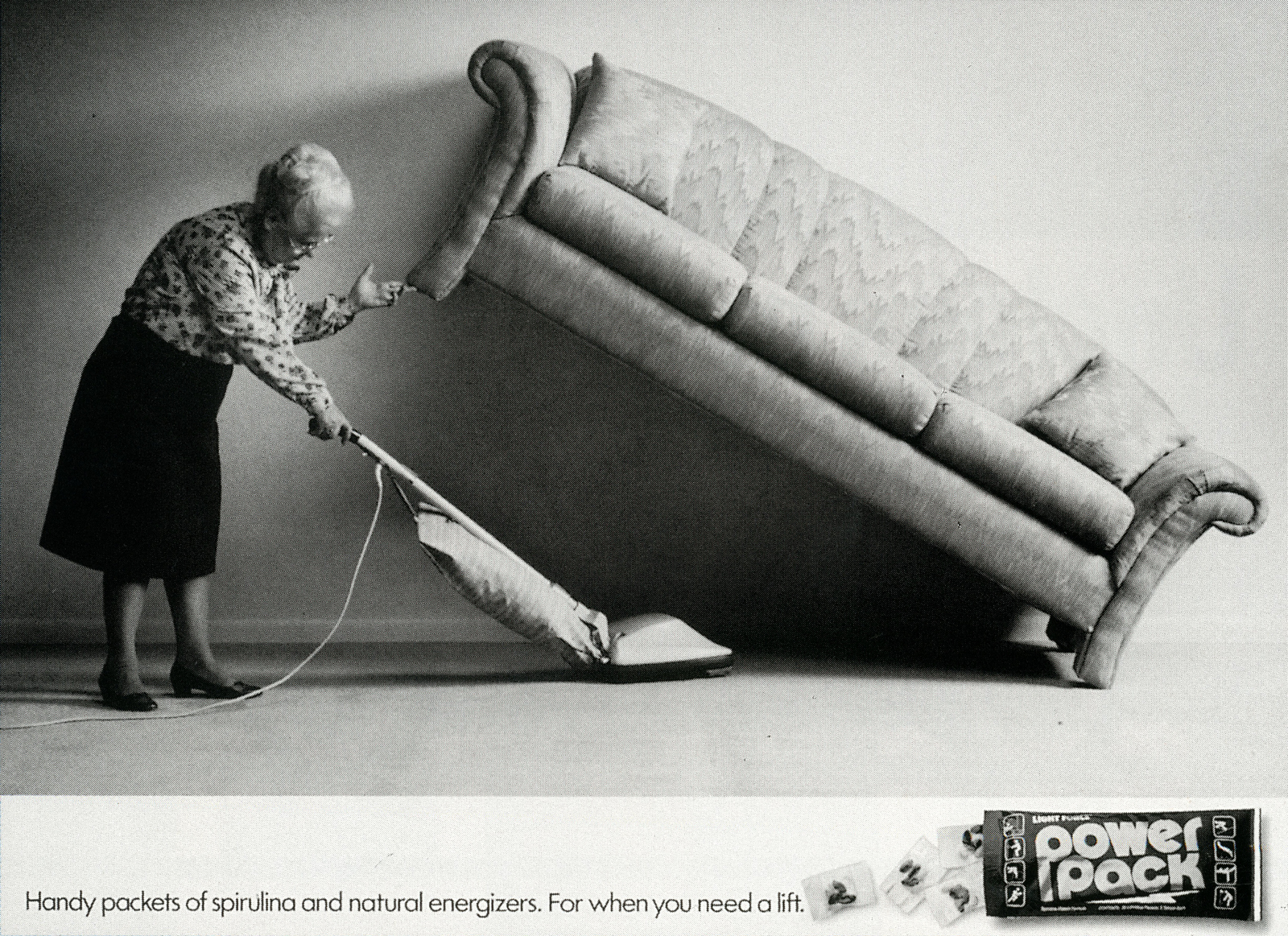
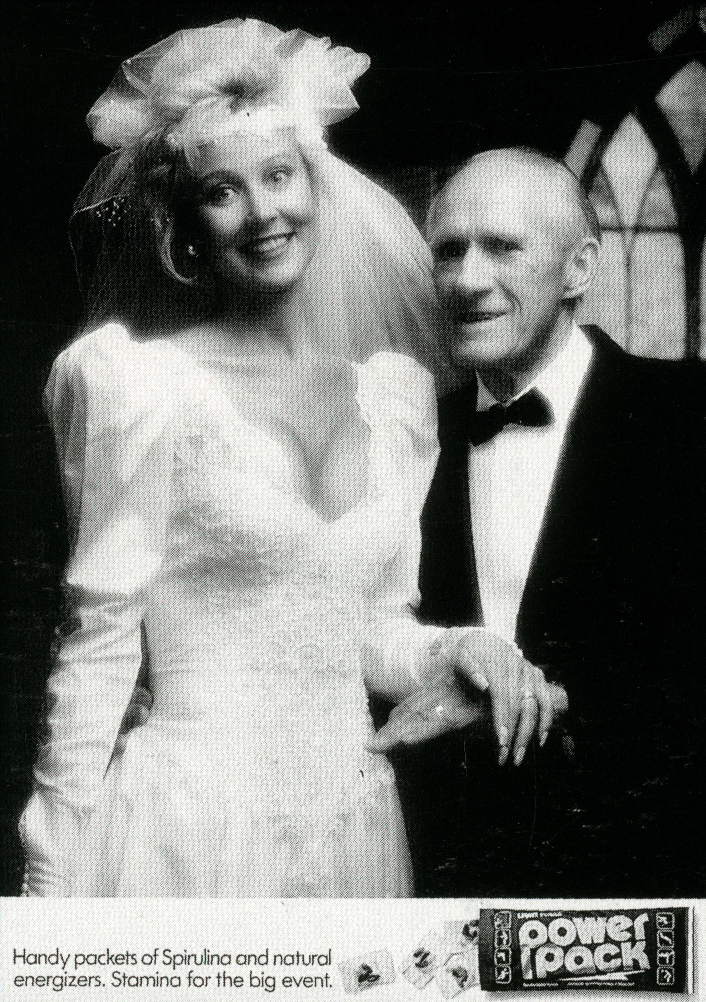
At what point did you think you had a future in advertising, was there a particular idea, award, comment, etc?First, I had an instructor my senior year of college who pulled me aside and told me that he normally told design students who weren’t very good to go into advertising.Second, he told me he was making an exception in my case.He thought I’d make a good designer but he thought I’d do better in advertising.Third, I did.We had a week’s break from school.I left the outside window near my work area unlocked so I could sneak in and use the stat camera.At first I didn't think I’d be able to get in because there was snow all around the building, if I walked up to the window my tracks would show.I walked around the building with my back to it until I got to my window and crawled in and repeated that for a week until I was done.My book won an award at graduation and it came with a good-sized check so I thought I might do ok.Did you feel like you were in advertising or against it?I hope I’m being honest here, I always felt like I was against it.My first day on the job in advertising, my wife asked me how was it? I said I think there's more people in it to be in it than to do it.It felt like I was always trying to make it better than it was.There was always resistance to doing good work.Years later I remember looking at an award show list of results on the wall and I turned to the first person I saw and said we're making history.It was Pat Fallon and he said yeah, but we don’t realise it.So I went home that night and told my wife that we were making history and I realised it.She said yes and you bitched and complained your way through the whole thing.
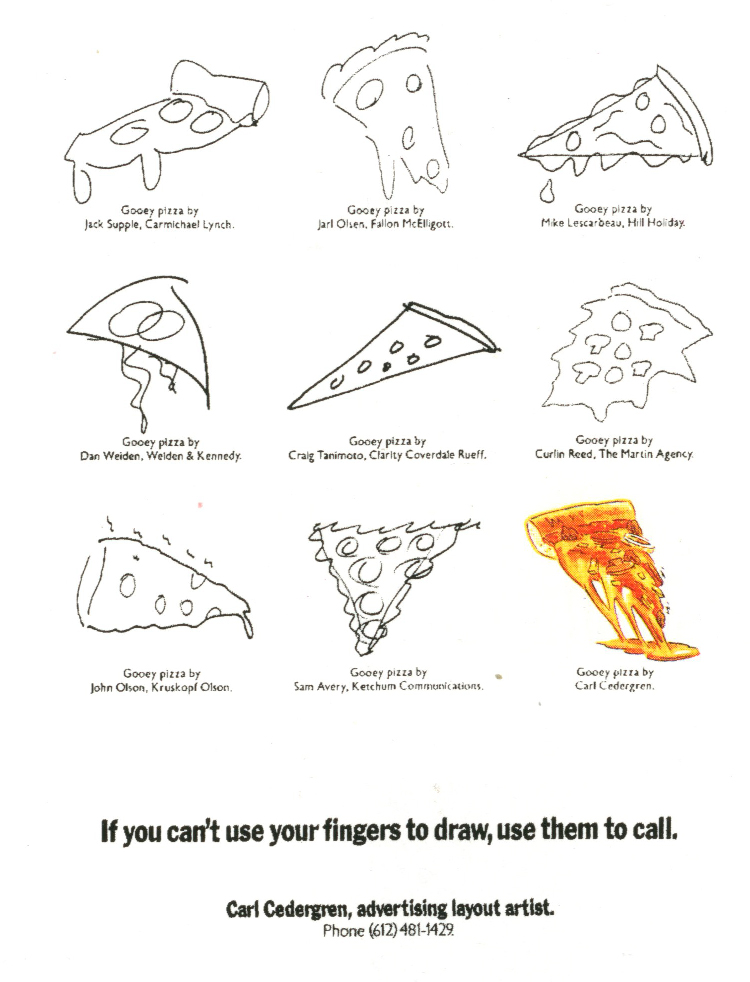
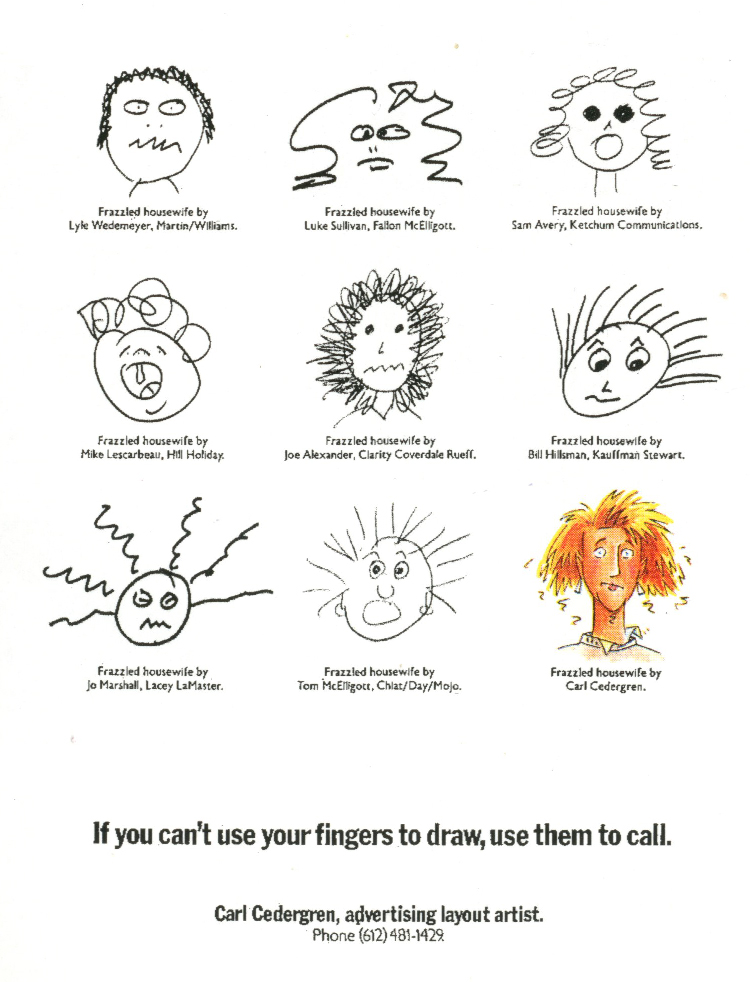

Minneapolis. Do you think the cold helped keep you all alert and focused?Yeah.I had a grade school teacher who started the day one really cold morning by telling us to look around the room at all the red cheeks and then he told us it would be a good day, we would learn a lot because we had been so cold.I thought he was full of shit but I never forgot it.Did you FM guys feel like you were on a mission to add a bit of intelligence to the schlocky world of Advertising?Yes.It was us against everybody else constantly.And I remember Tom coming back from a meeting with the 4A’s in New York.He told us we were going to work on a campaign to improve the image of advertising.I said the best way to improve it was to make it better.Well, Tom disagreed.We went back and forth several times.I was at one end of the conference table and Tom was at the other.The rest of the department was sitting on both sides.It got tense.I remember seeing the worried reactions from the creatives stuck in the middle as I pounded the table at my end and Tom did the same at his end.Finally, Tom ended it by saying he was going to great ads for it and he wanted others to join him.Much later I realised that Bill Miller and I had won a gold in The One Show, for a spot we did for advertising in that campaign.I still shake my head today, I think we were both right?At the time, most campaigns created a hermetically sealed brand worlds, Fallon McElligott’s work used the real world and culture in particular, why?I don’t know if I have an answer for that.Maybe it's the red cheeks from the cold.Also, one of Tom’s favourite expressions was zig when the others were zagging.We never wanted our work to resemble anybody else’s.Our work for our clients always had to be different.
Tom McElligott, most influential ad man of the 80s?I would certainly agree with that, but then I’m biased.How comfortable was Tom’s seat on that first day?You know, that’s something I never thought about.Looking back on it you'd think it would have been the big topic for me then.It wasn’t.It never crossed my mind.I think it was because I had been there so long.I just kept my head down and made ads and helped others do the same.A reporter asked me once how I kept everybody in the department.I said I didn’t keep them they kept me.We cranked it up.Adweek described you as a Creative’s Creative Director, why?When I was associate Creative Director a reporter asked one of my writer partners how much time I spent on my own work and how much time I spent helping others.I said seventy percent on my own work, thirty percent on others.My partner said the exact opposite.I discovered that I got a bigger kick out of helping somebody else do a good ad than I did doing one myself.It was sort of like a drug; the more I did it the better it felt.I remember my associate Creative Director standing in my doorway with a fake frown on his face and he said “Just when I thought I’d done a great ad, here comes a young team down the hall with a campaign better than anything I’ll ever do”.I said that's exactly why we’re here.I also fought for good work.I fought anything and anybody to get good work out, I fought a lot.The Creative Department gave me a bullet proof vest with my name on it for taking all the flak.
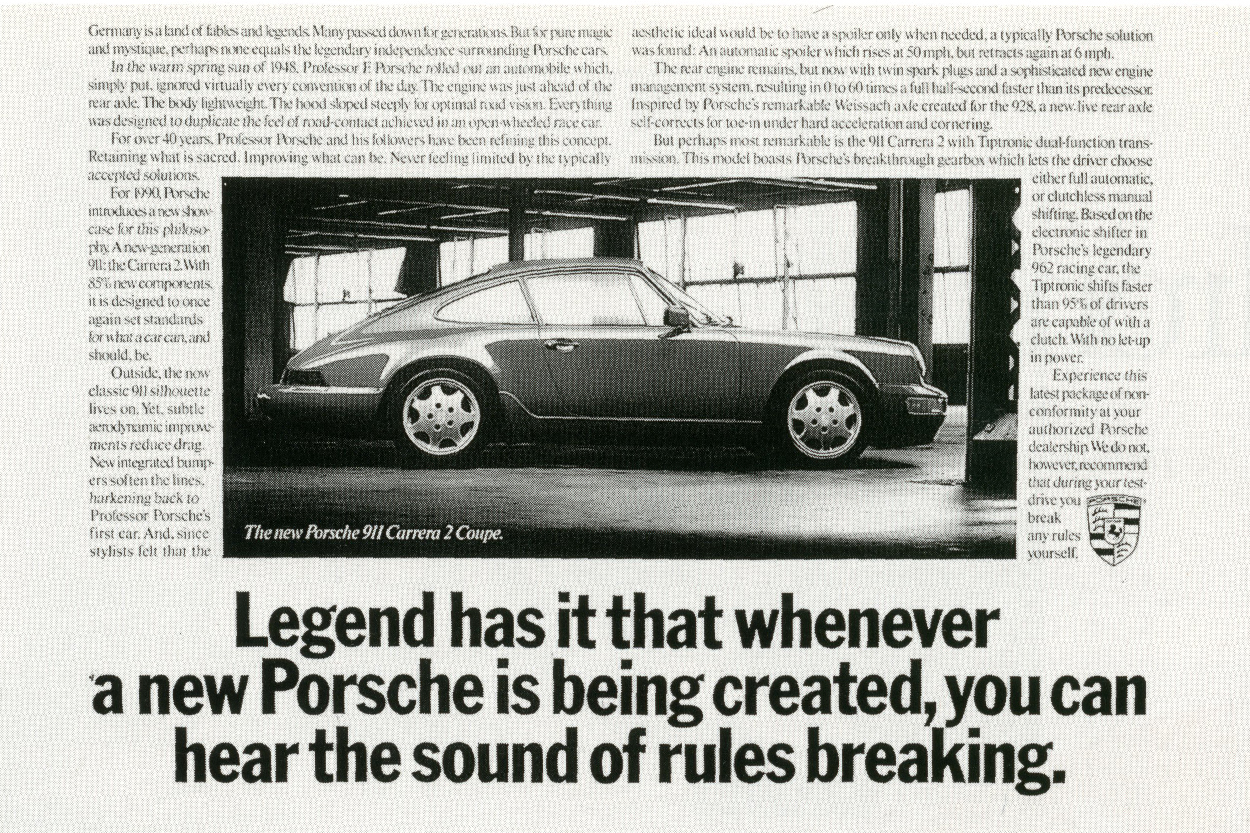
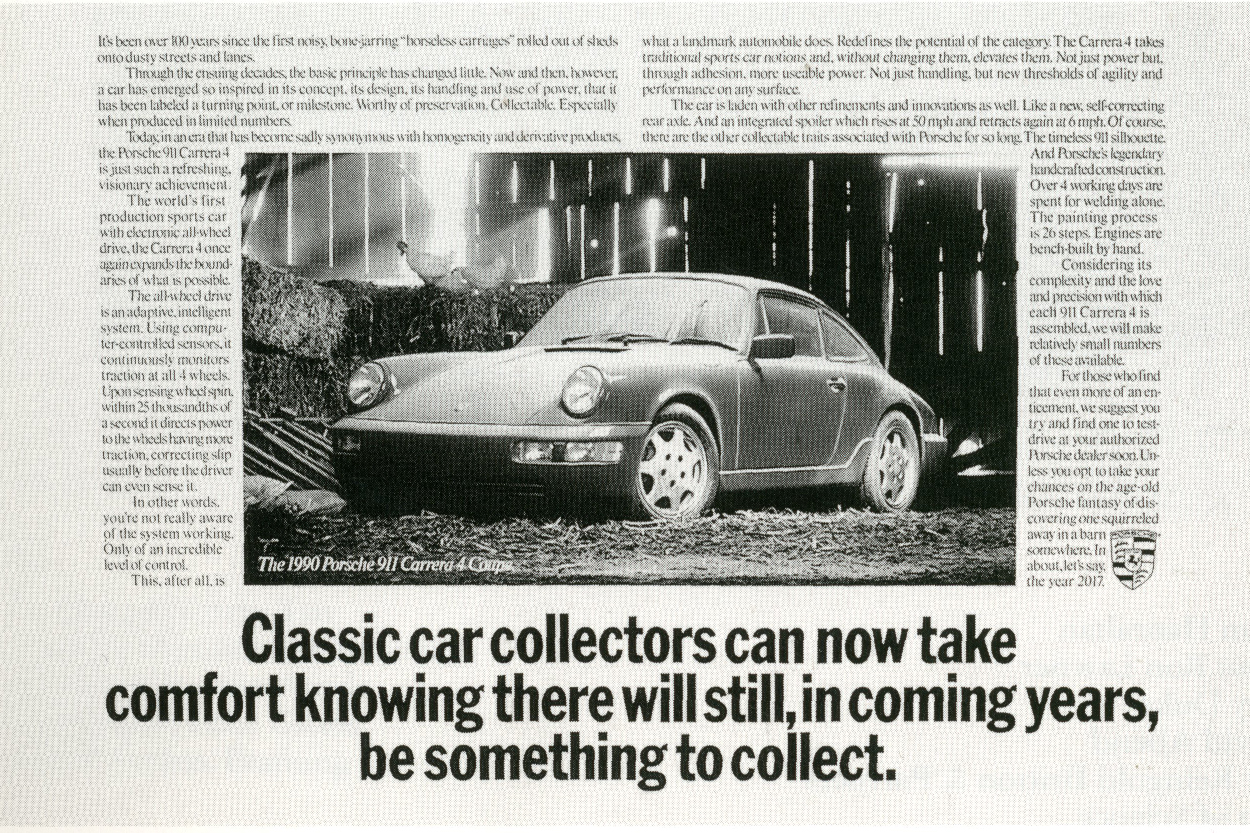
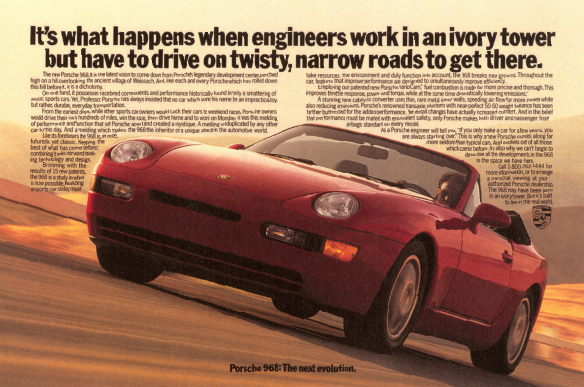
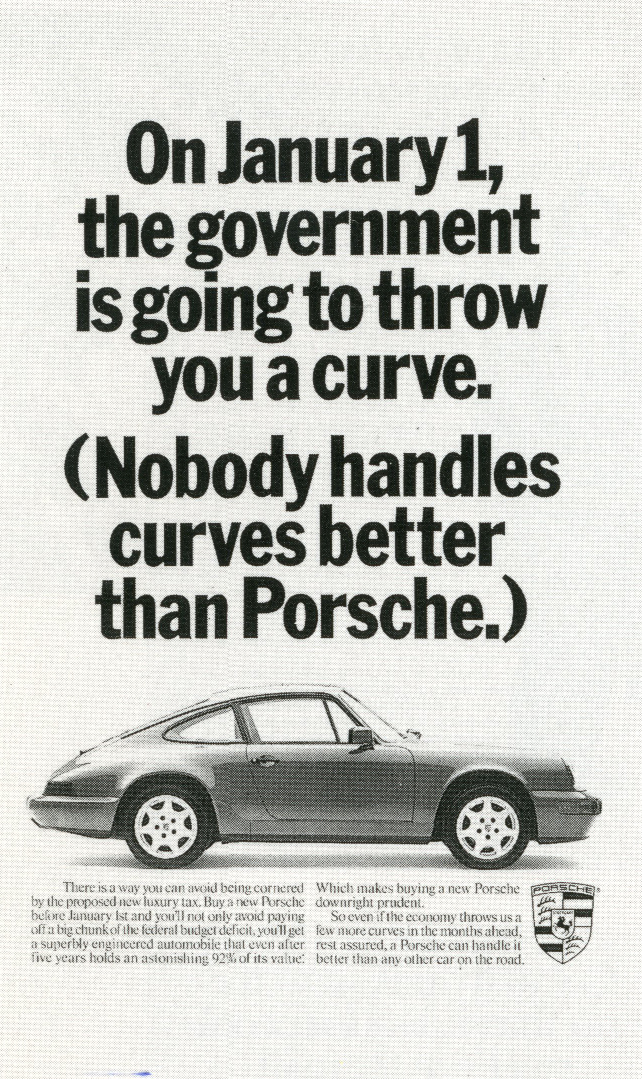
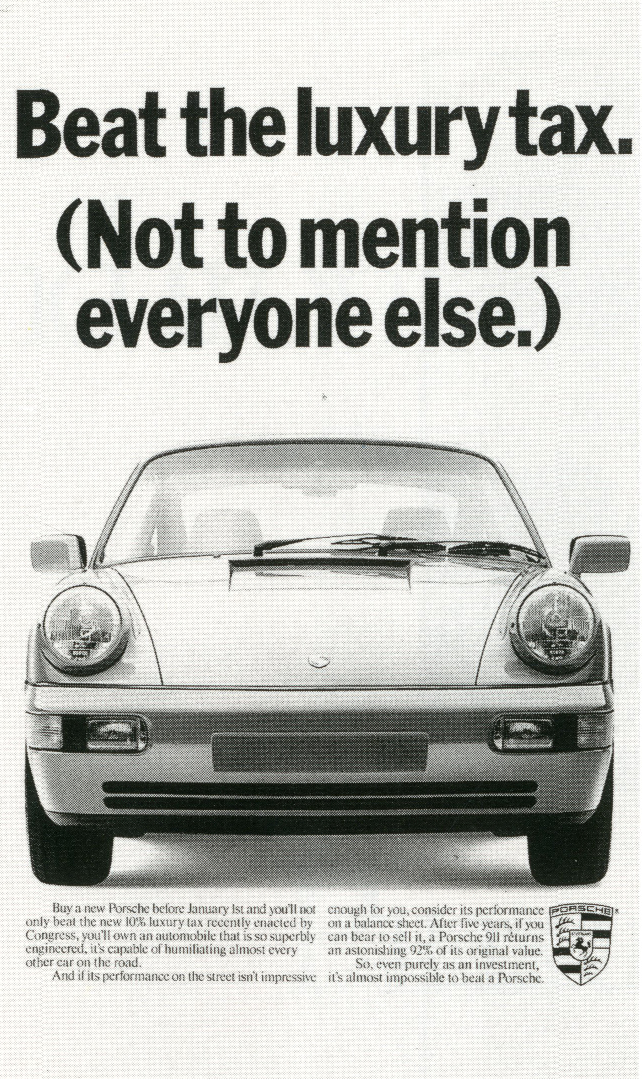
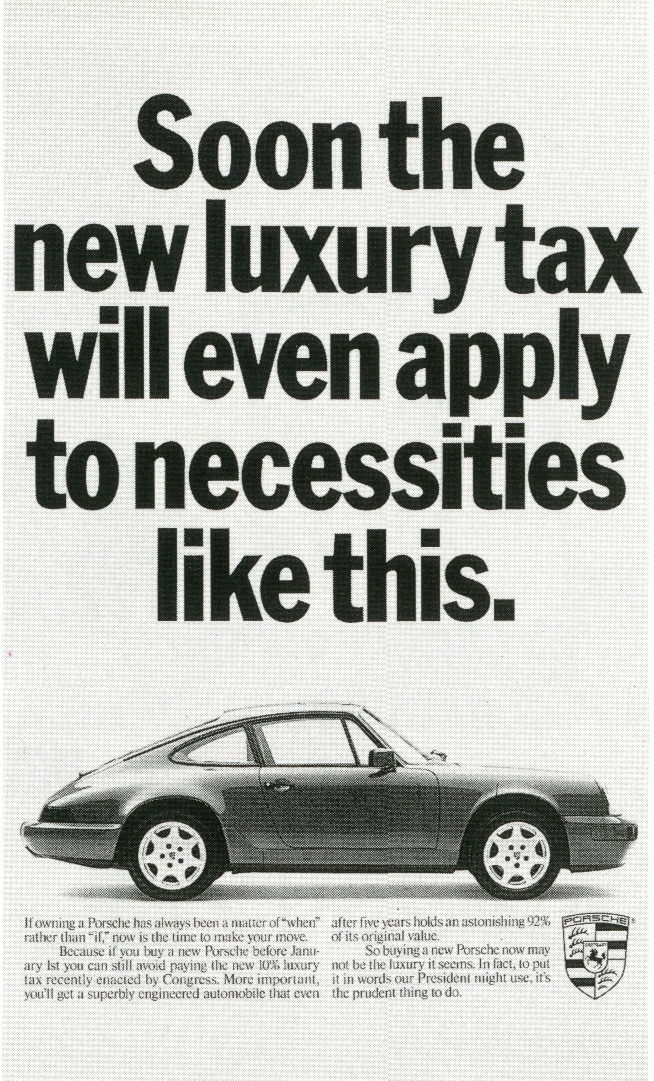
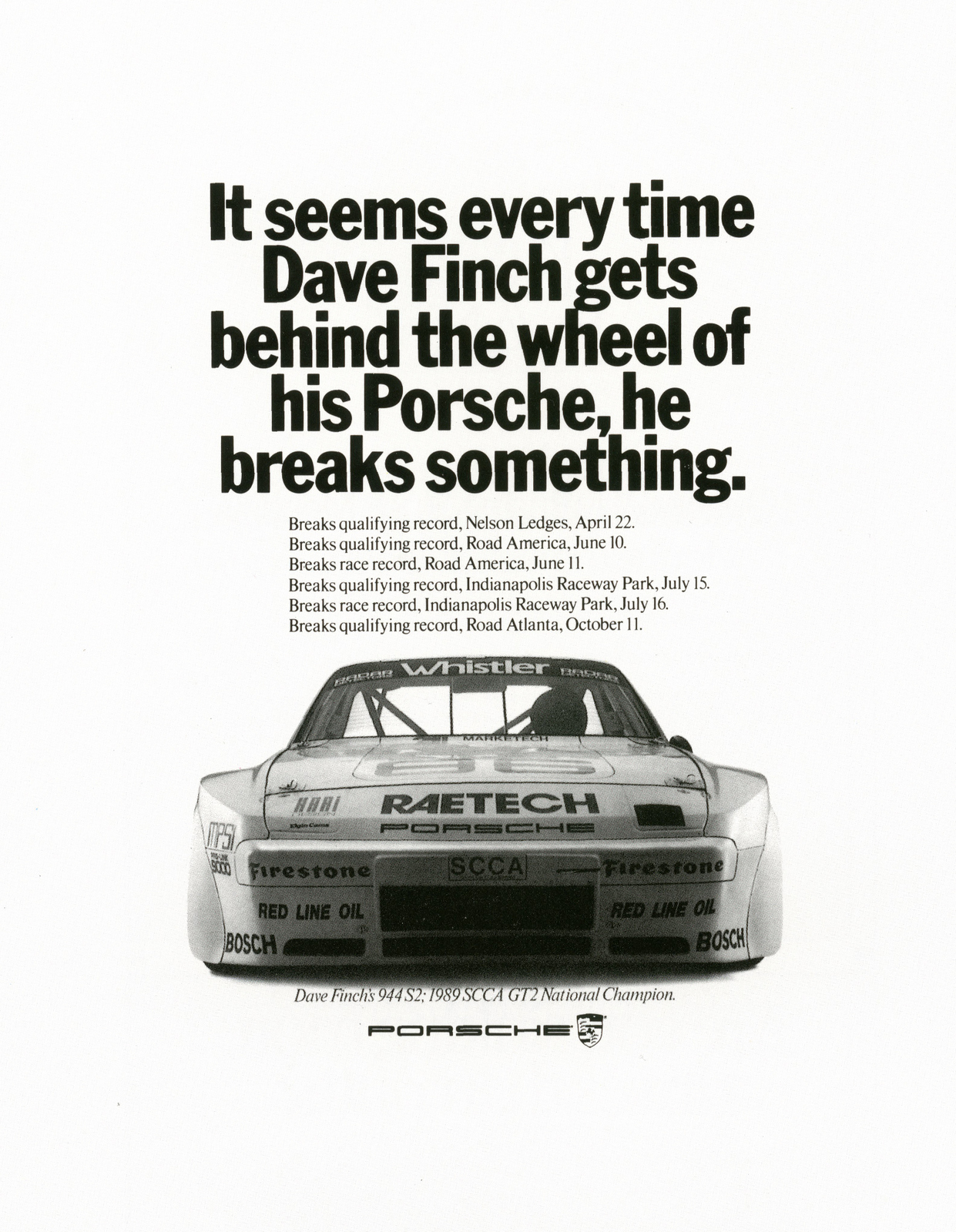
Luke Sullivan described his first walk through the Fallon McElligott Creative Department like this; ‘Genius, Genius, Genius, stairwell, Genius, Genius...’ What did you look for when hiring?We looked for the best people we could find.We seldom hired.Nobody in the department wanted to give anything up.We were selfish I guess.When we did hire we looked for a sense of humour first and foremost.I had help from others in the department when looking at books. I’d often ask them to recommend the best of the best. I never doubted their ability or their choices.I was comfortable delegating that and I was always happy with the results.They did not let me down.
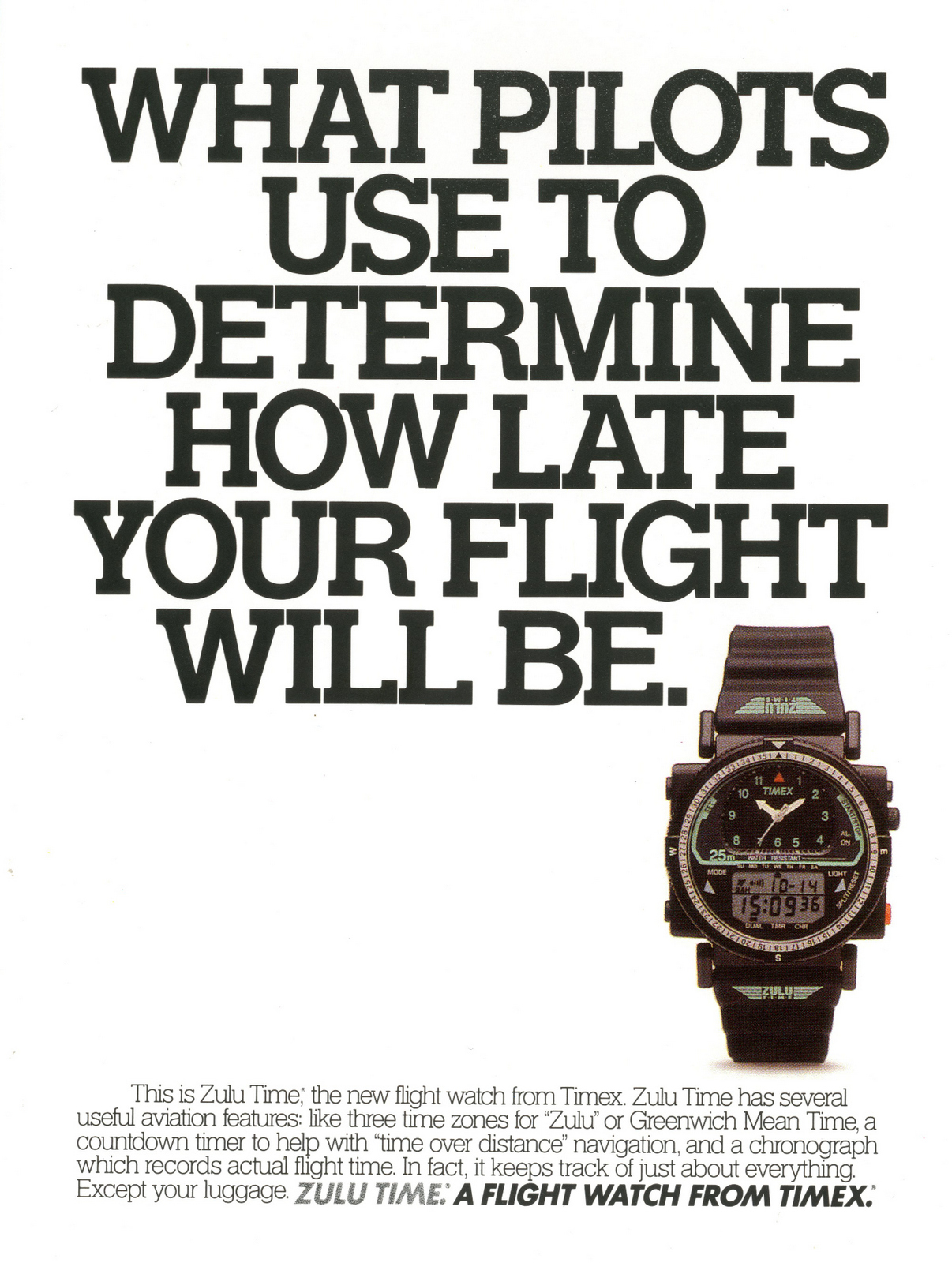
Were you a hard task master?Well, I don't know if I’m the best person to answer that.I don’t think I was.But I know that if there was a chance of a campaign being great, it didn’t feel like work to me.If we had one good ad on the table six would always be better.I also thought no Creative Director should ever get paid to tell people who that idea sucked or he or she had seen that ad before.Leave those alone, that’s not saying anything.I used to sometimes get what I called a burst of ice water in my veins just before going into a room full of ad ideas.I never wanted to leave a One Show gold campaign on the wall. Then I’d shake it off, be myself and enjoy the work.
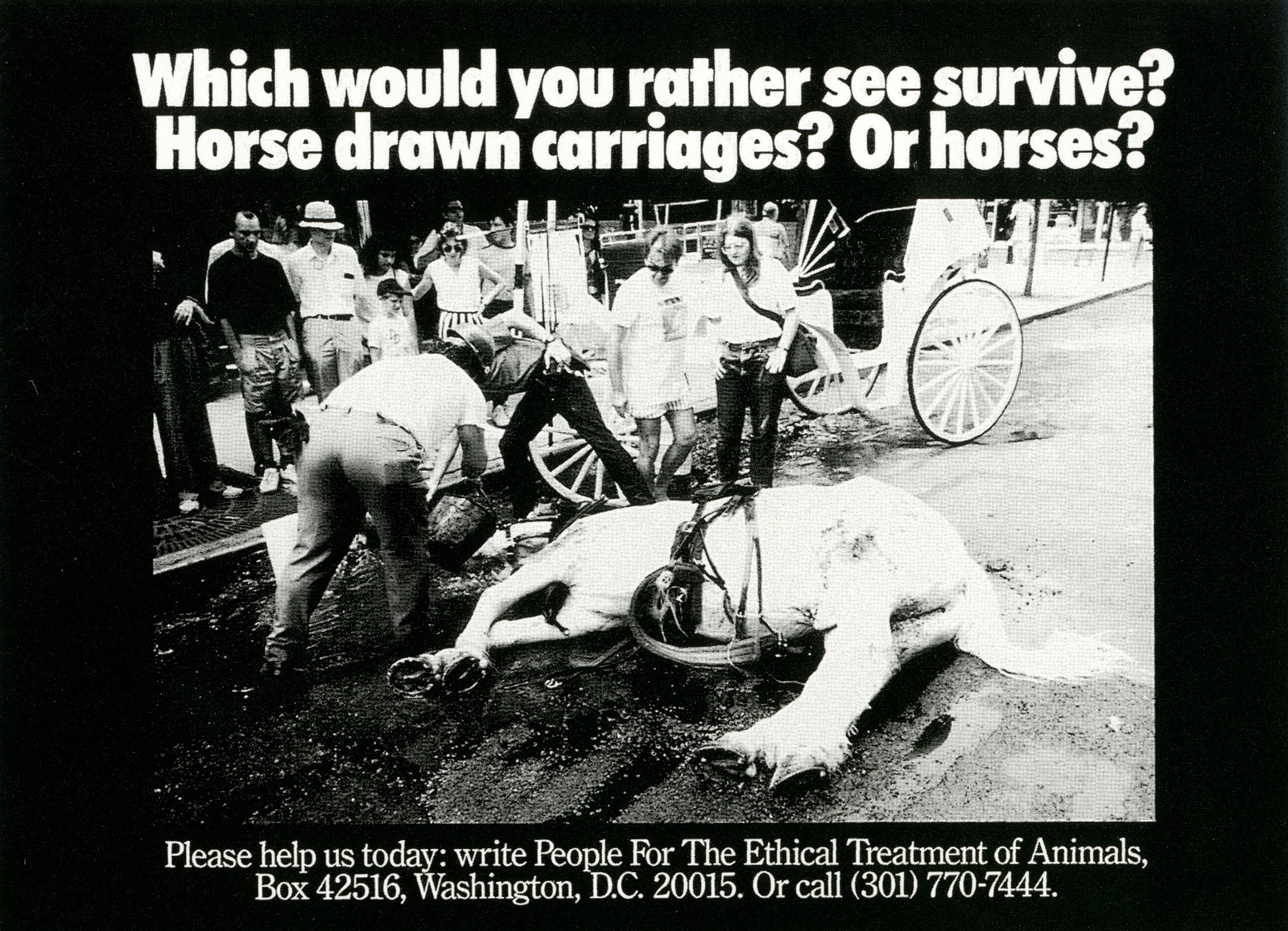
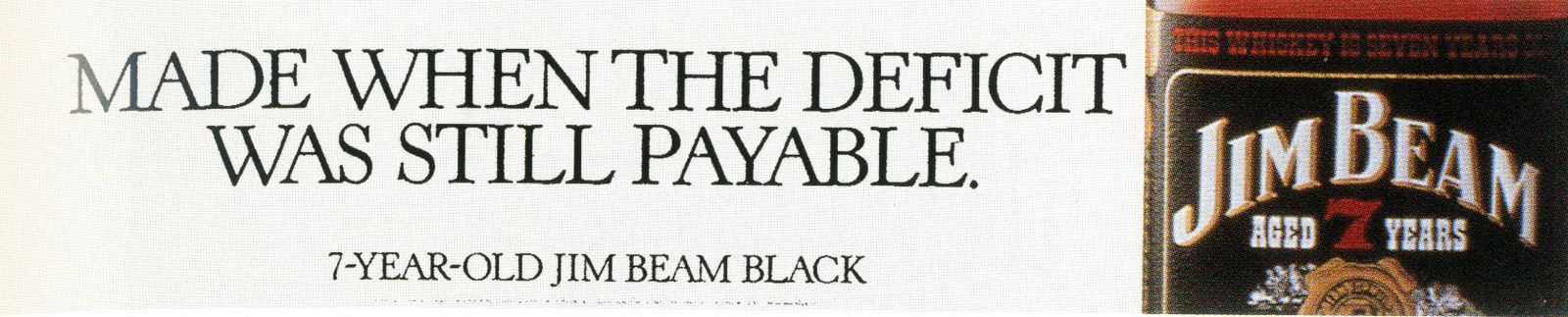
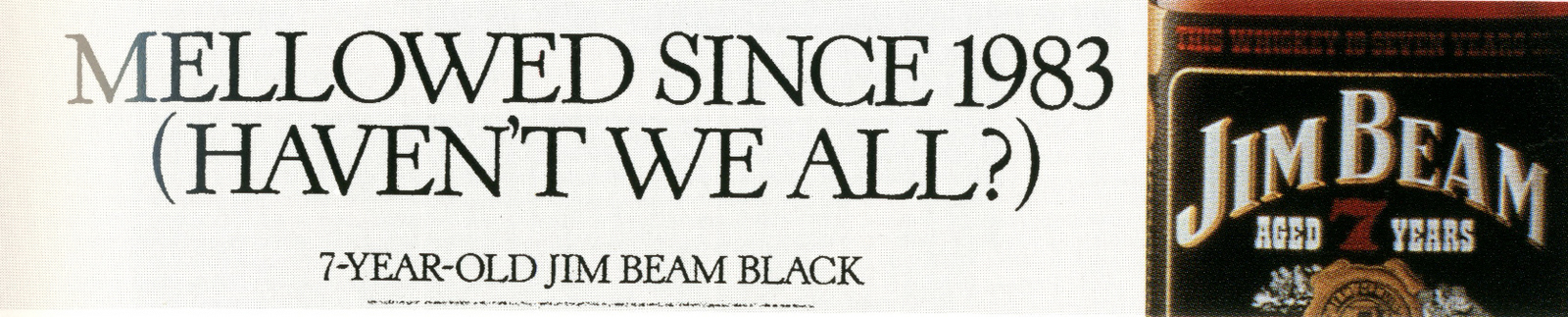
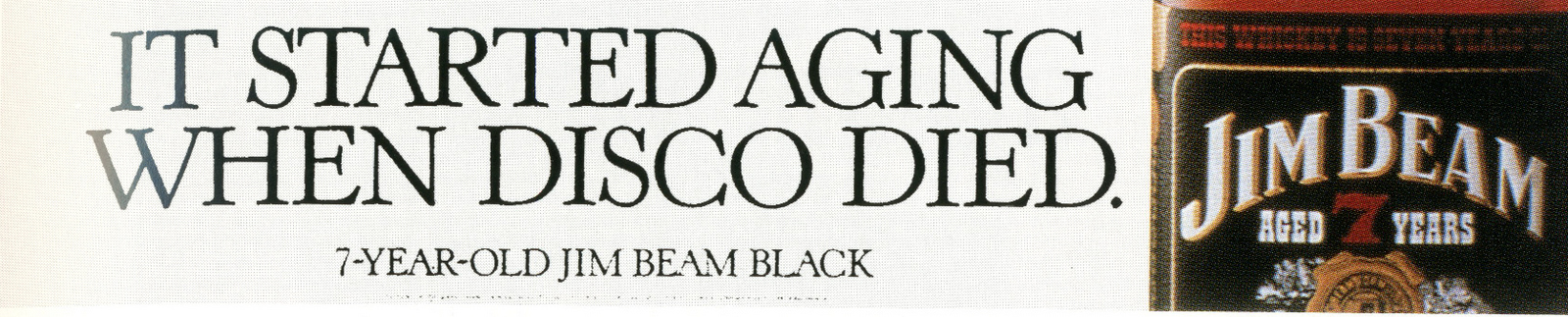
Who’s the most gifted person you've ever worked with?Bob Barrie.What was the ad you wrote that made you think you could do it.All of those in my book when I crawled though the window I guess.Under Tom, the work had either great headlines or great visuals.Under you there were a lot more new structures, I loved the way that the creative work, seemed to be looking for new ways of structuring an ad, ie; Jim Beam.
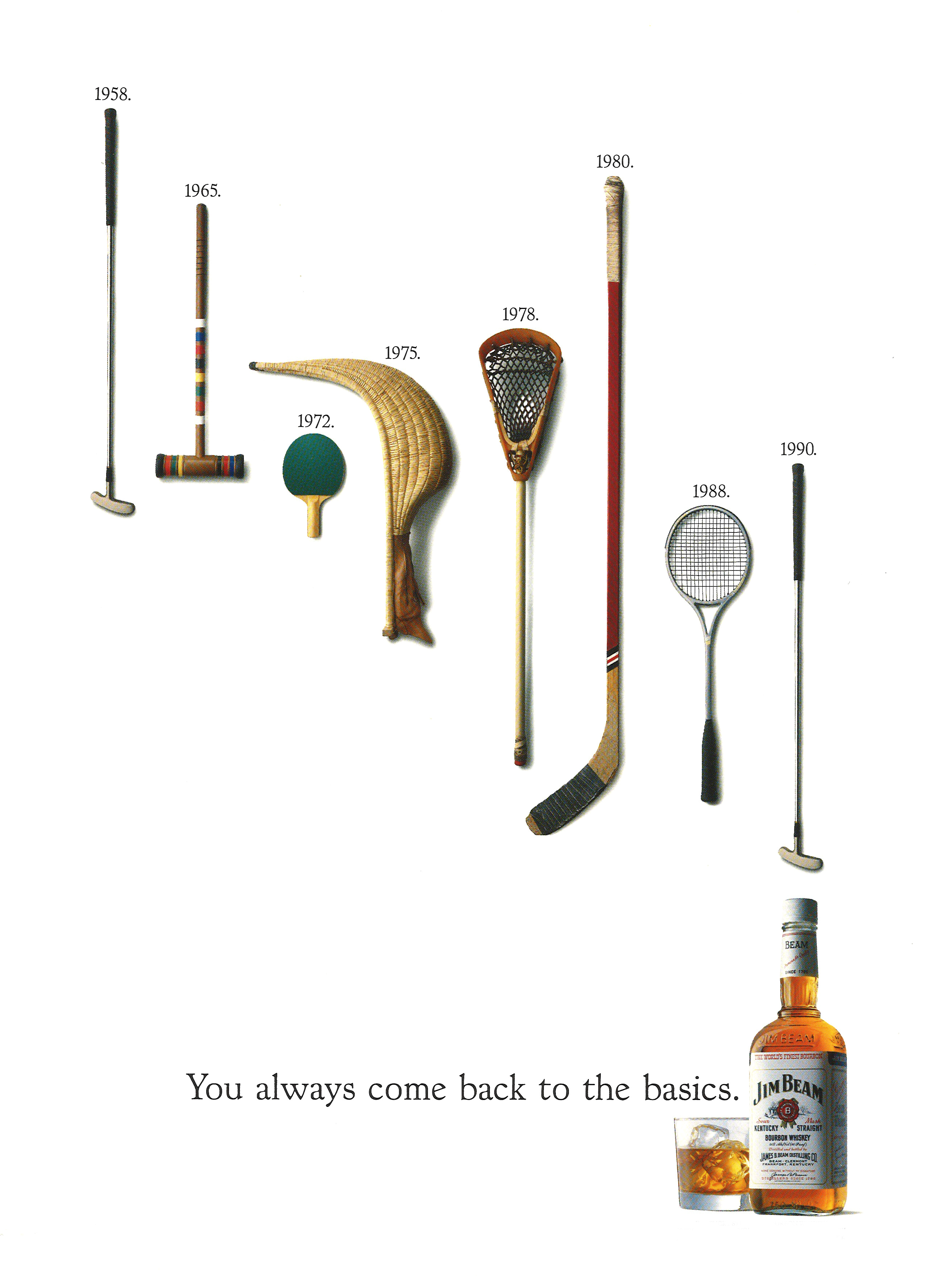
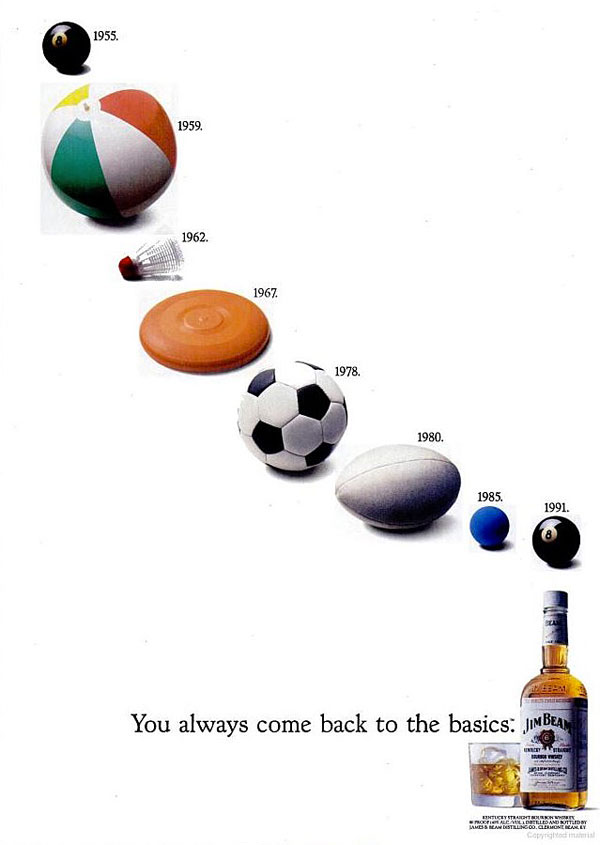

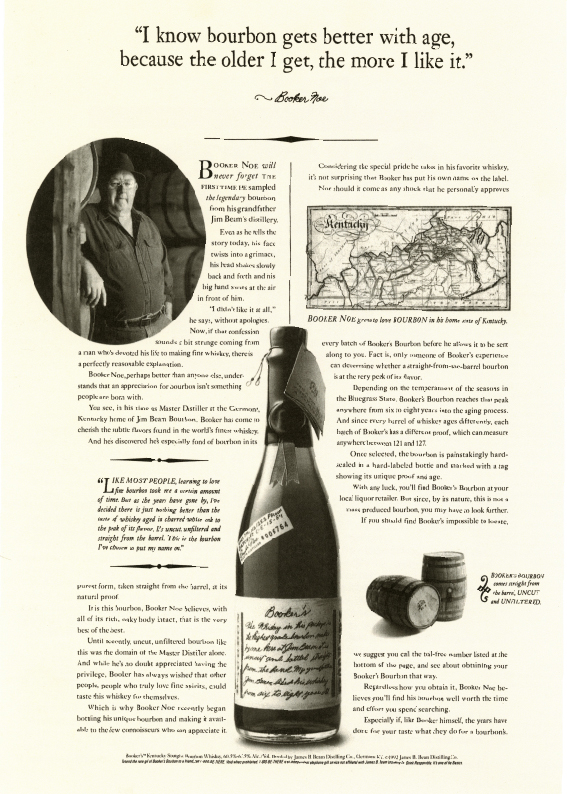
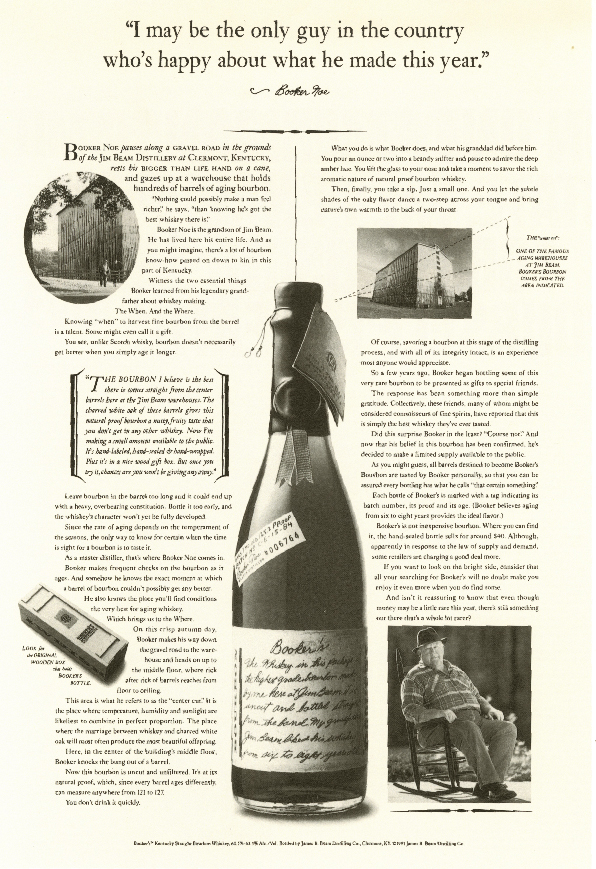
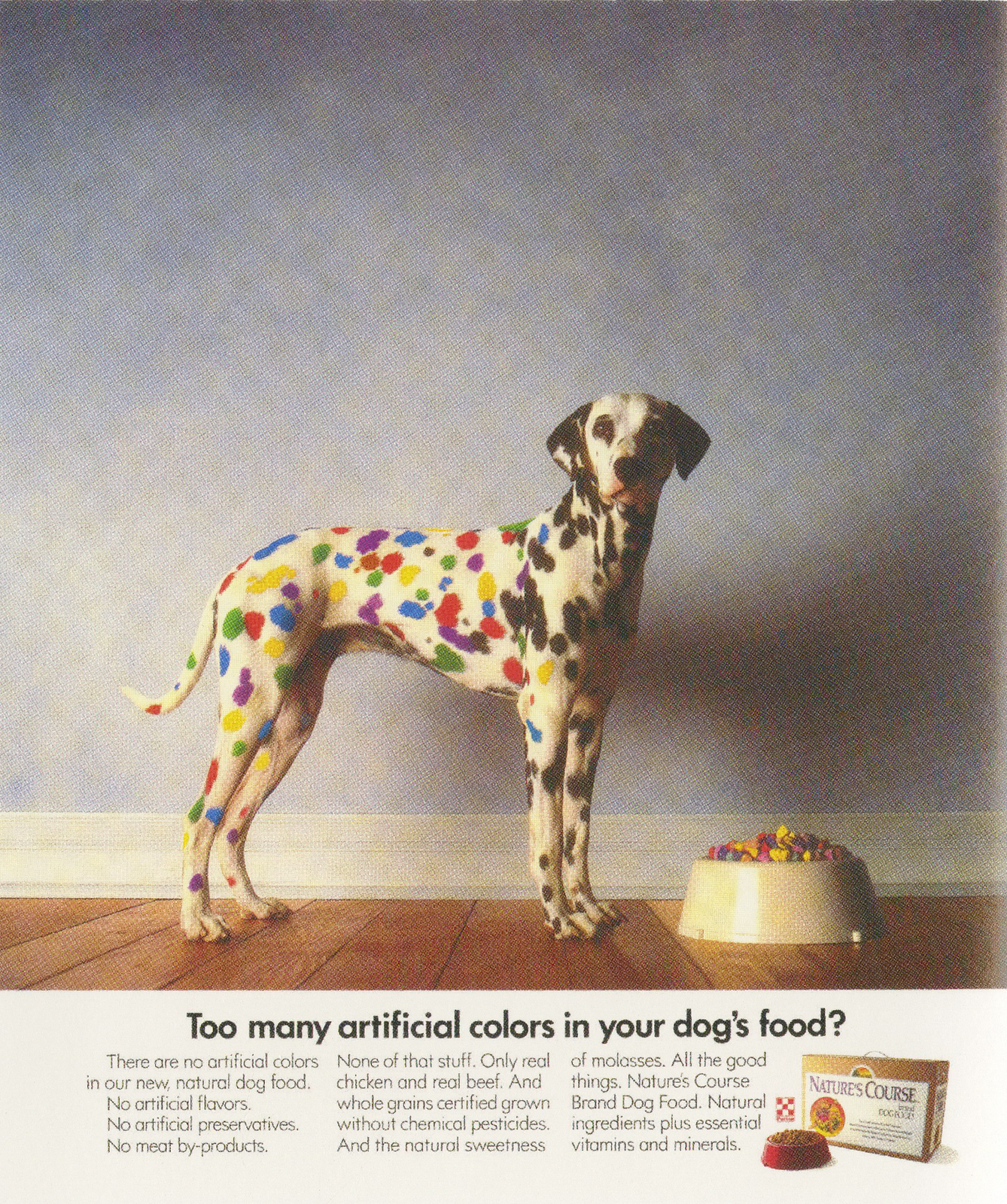

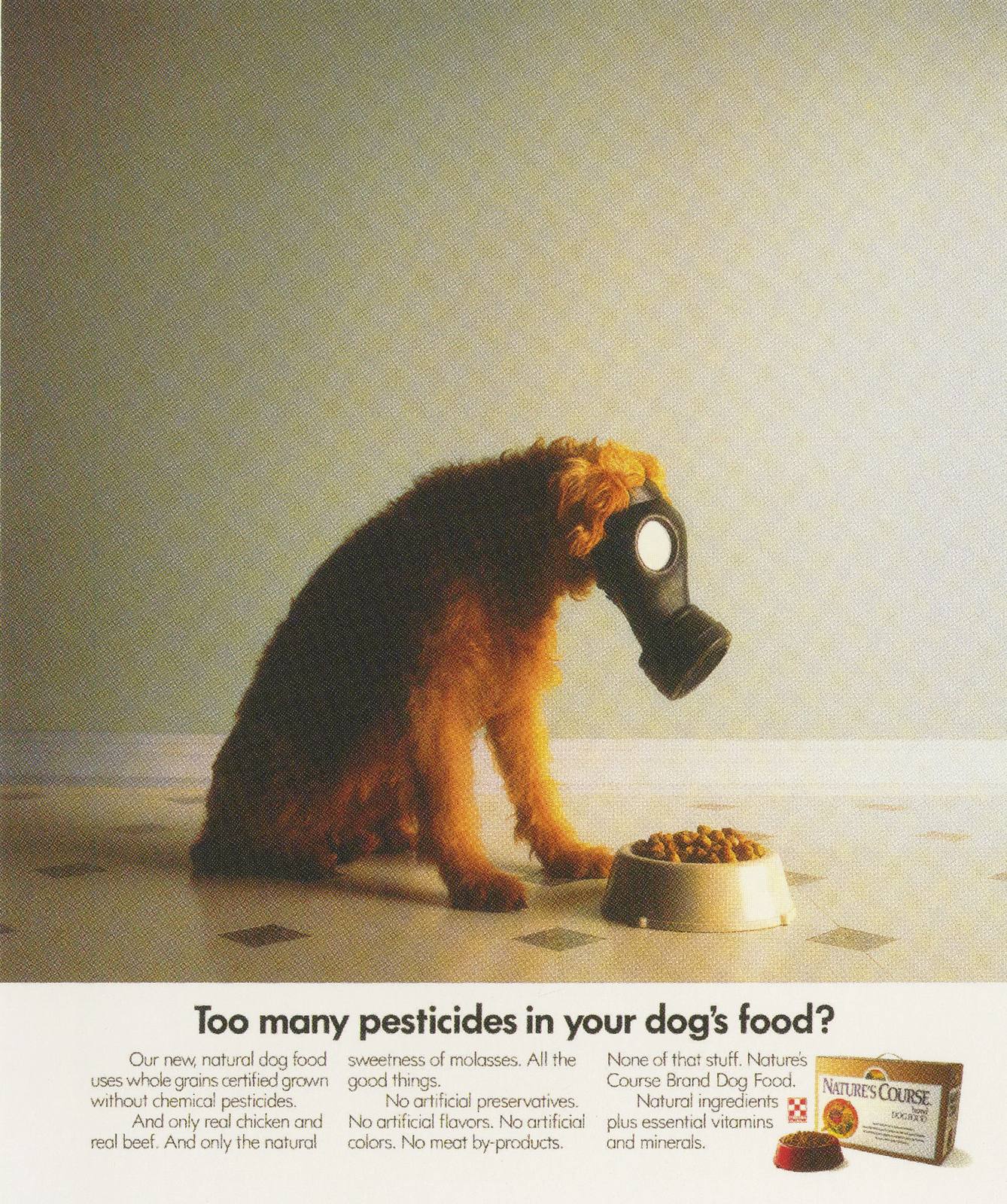
I think some of it goes back to ‘Zig when the others are zagging’.We were naturally trying to avoid looking like the other guys.It’s interesting that you mention Jim Beam here.I should tell you that at one point we had like fourteen different campaigns for fourteen different products of theres.One day we got word that the president of Jim Bean brands thought that all his work looked too much alike.We were told he was coming to the agency to tell us personally.I had a hunch that the president had never seen all of his campaigns in one room.I knew I hadn't and I worked on all of them.We lined up all the campaigns on all the walls of our largest conference room.They looked like they we’re shot out of machine guns.The president came in sat down lit up a cigar and leaned back in his chair and looked around the room.He was surrounded.He left without ever mentioning anything about the ads looking alike because they didn’t.That’s a credit to all the Creative teams who did the work.A lot of your old Creative department wrote to me after my blog about Tom, they were very protective of you, pointing out some of the work I’d featured was under your watch.Also, and without exception, they said that not only did you continue the quality of the creative work, you raised it.E.g. Bob Barrie: ‘Pat was a wonderful guy who had some really big shoes to fill after Tom’s departure, and he filled them admirably. Some of the best work done in Fallon’s history was created during Pat’s reign as CD”.How did you do that?I remember talking to Tom about the energy in the creative department years ago.We were standing in the hall and the building was such that if you walked out of you office and turned left and kept walking you'd eventually end up back at your office.I said the energy level was like a big wheel with fire crackers on it spinning like crazy around and around the whole floor, I said you couldn’t stop it if you tried.I lit as many firecrackers as I could get my hands on, and lit them as fast as I could, everybody in the creative department did their part and more.The result still puts a smile on my face today.You made Fallon McElligott’s reel as good as their print, how?My true love was television.It was always just more exciting to me.I think your work is better when you enjoy something.As time went on we got more and more chances to do television and the more we did the better we got.Sometimes a team might worry that an idea might not work in production and they would come to me and express their concerns.I’d always tell them it was like running through a brick wall.Get up a head of steam and blast your way through.And whatever you do don't hesitate.I remember telling one team if it sucks tell them I did it.
Enjoy pitching?No.Burnham, Whatsit & Thingy. Ever a possibility?Pat Fallon asked me once what I thought of Fallon Burnham.I told him I’d think about it overnight.The next morning I went to his office and I told him honestly it didn’t sound better than Fallon McElligott to me.Which campaign do you wish you’d written?I guess I don’t think that way.I’m usually too happy for the people who do good ads that I don't think of it in that manner.
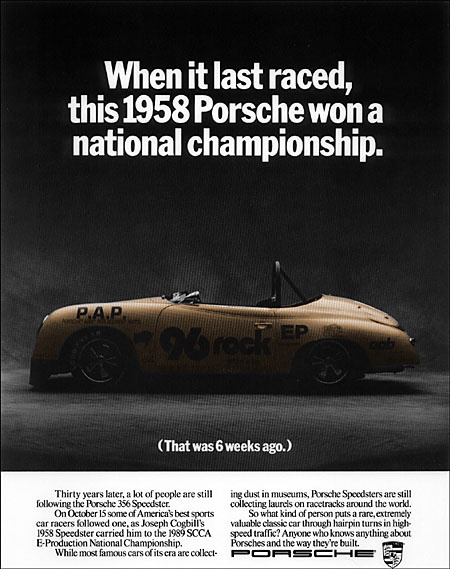
Talent or desire, what’s more important?I’ve seen great talent without desire and I’ve seen great desire without talent, they both make me equally sad. I think an equal mix makes people special.Seen anything good lately?Yes, there’s stuff my son has done that makes me smile.Great, thanks for yor time Pat.
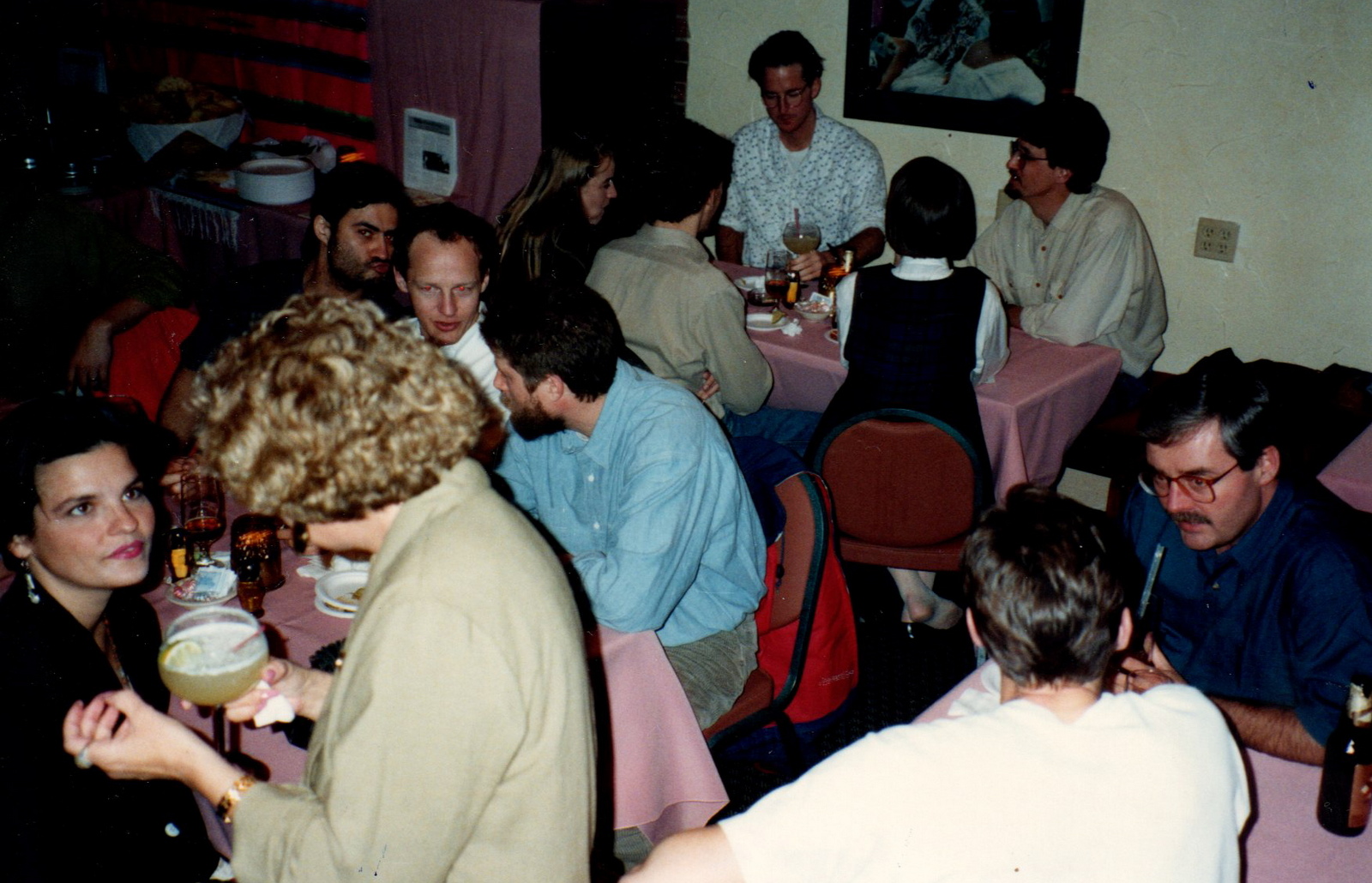
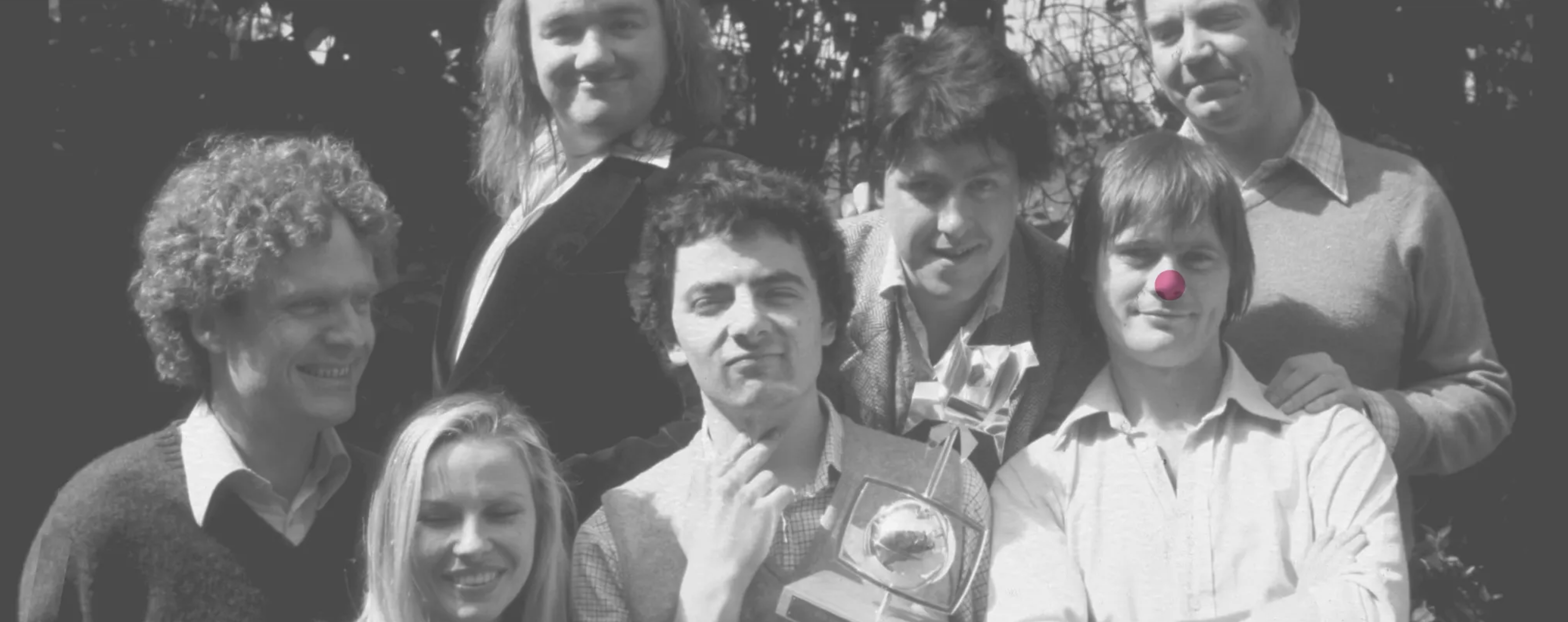
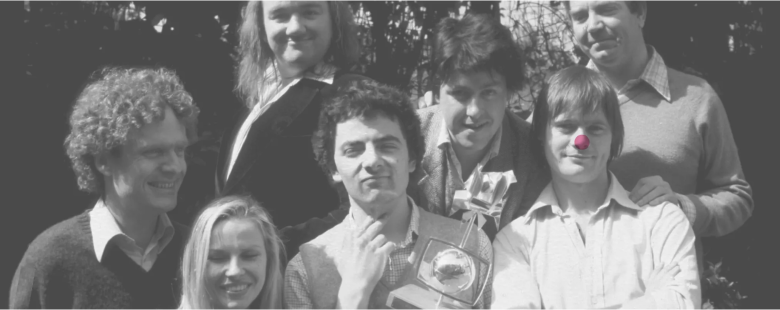
Above, Pat is far right, below, Pat’s diagram on how to succeed.

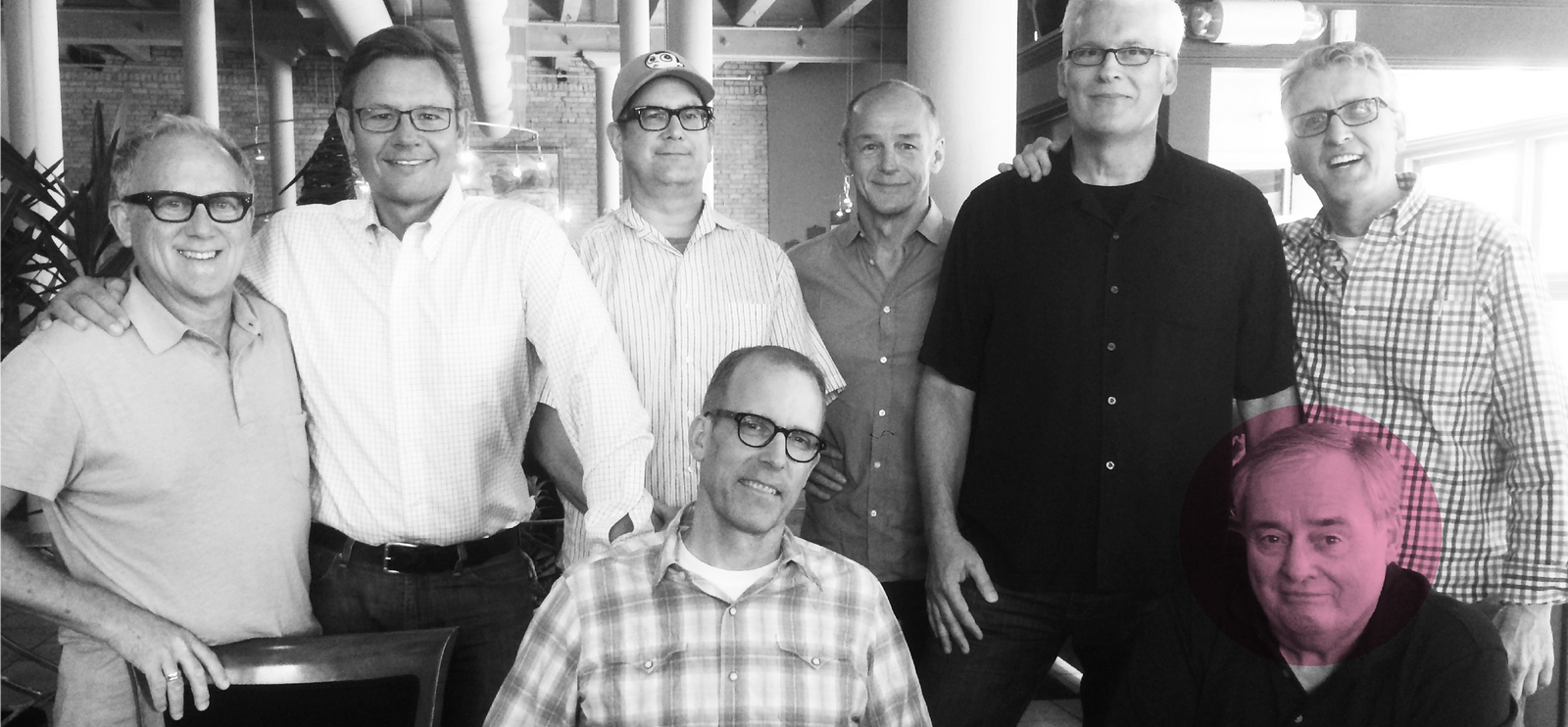
N.B. Bob Barrie has just emailed Me this:
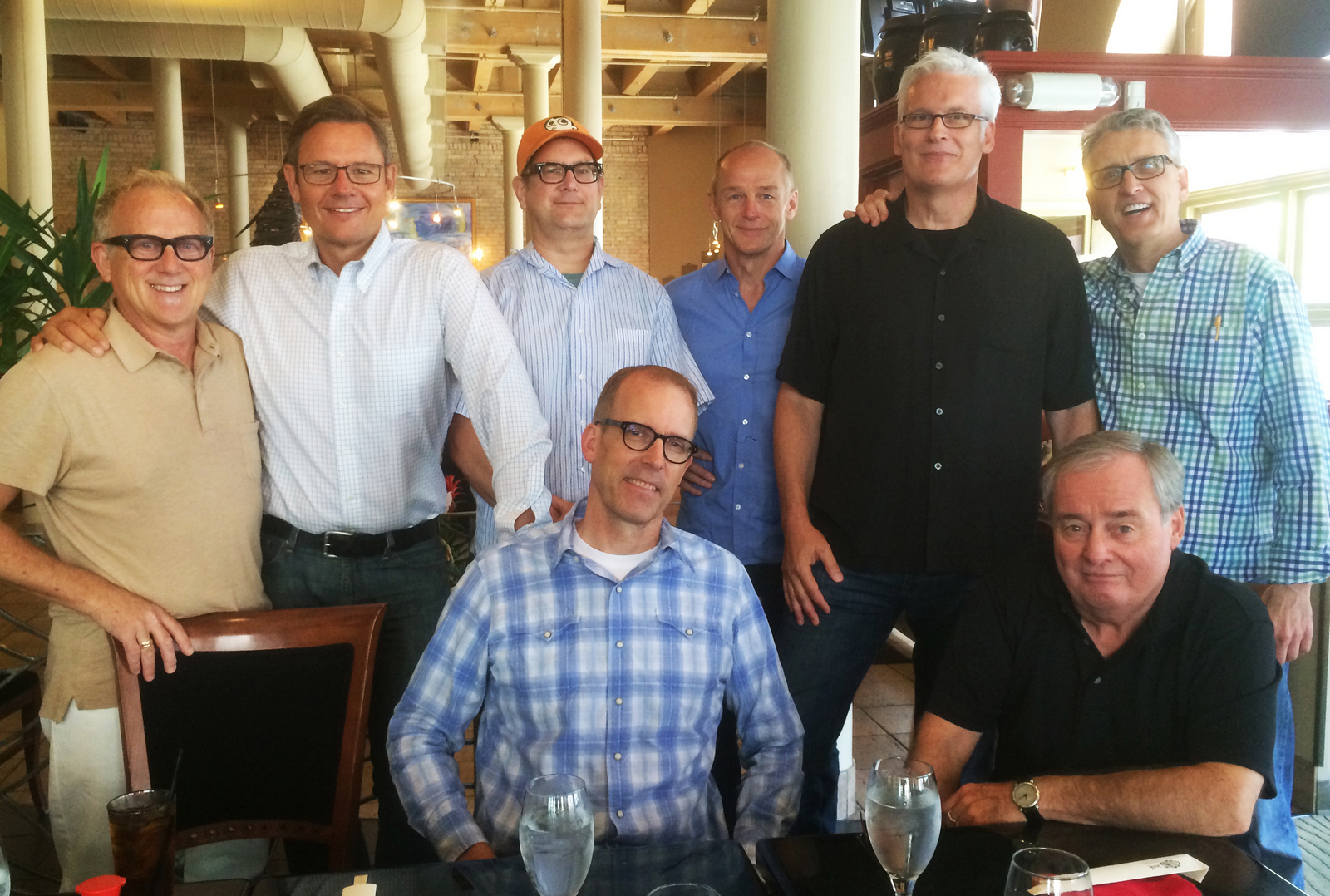
He said the previous post about Tom McElligott had initiated a lunch reunion in Minneapolis.Some hadn't seen Pat in a couple decades, Tom Lichtenheld flew in from Chicago and Jarl Olsen flew in from San Francisco.In the picture is a big chunk of the pre-1985 Fallon McElligott Rice Creative Department: Left to right: Mark Johnson, Mike Lescarbeau, Jarl Olsen, Dean Hanson, Bob Barrie, Tom Lichtenheld. Seated: Bruce Bildsten and Pat Burnham.


Lorem ipsum dolor sit amet, consectetur adipiscing elit. Suspendisse varius enim in eros elementum tristique. Duis cursus, mi quis viverra ornare, eros dolor interdum nulla, ut commodo diam libero vitae erat. Aenean faucibus nibh et justo cursus id rutrum lorem imperdiet. Nunc ut sem vitae risus tristique posuere. uis cursus, mi quis viverra ornare, eros dolor interdum nulla, ut commodo diam libero vitae erat. Aenean faucibus nibh et justo cursus id rutrum lorem imperdiet. Nunc ut sem vitae risus tristique posuere.
Delete