
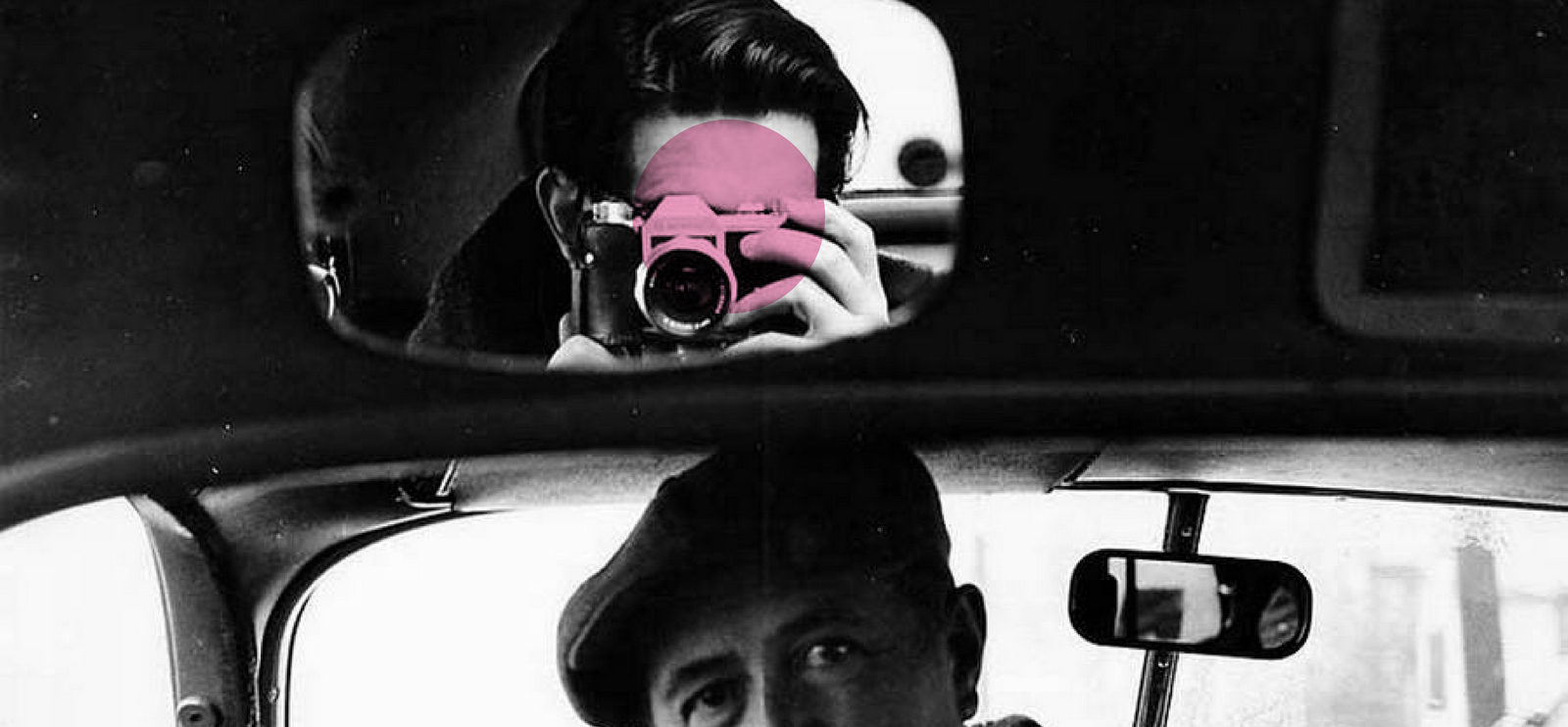
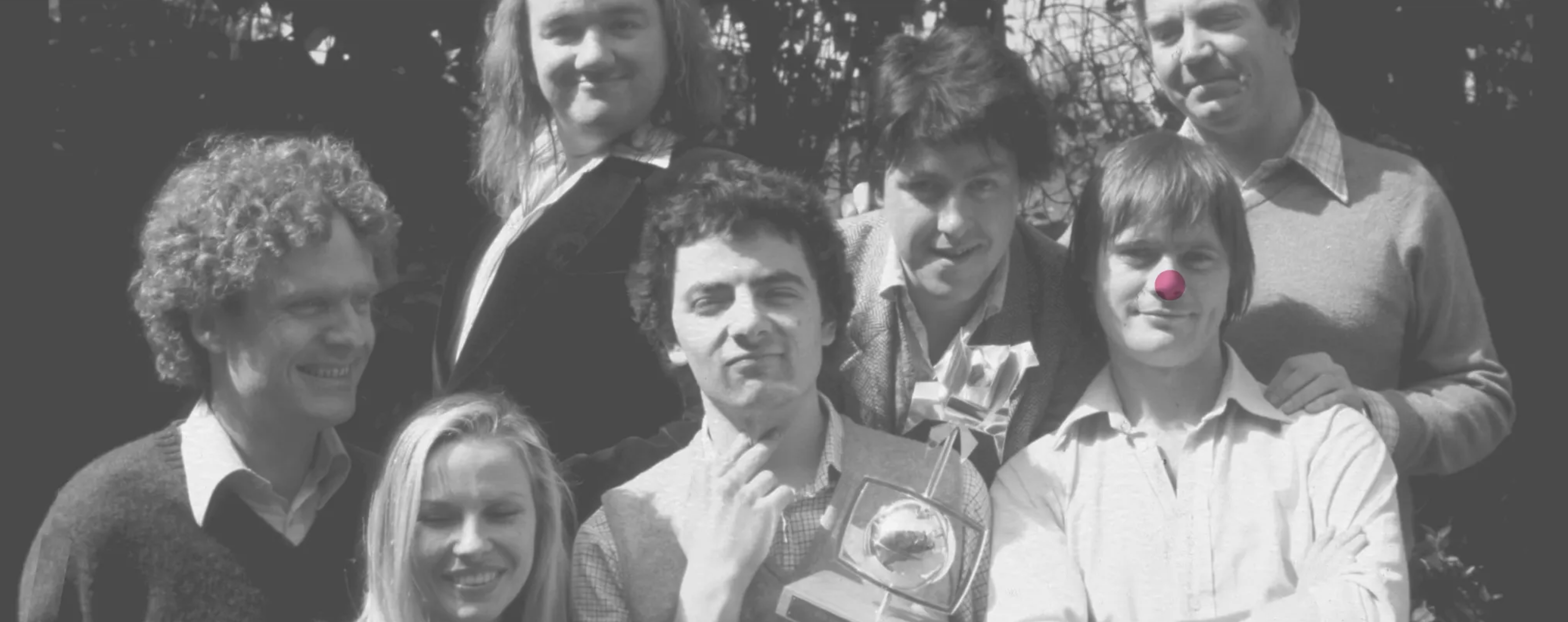

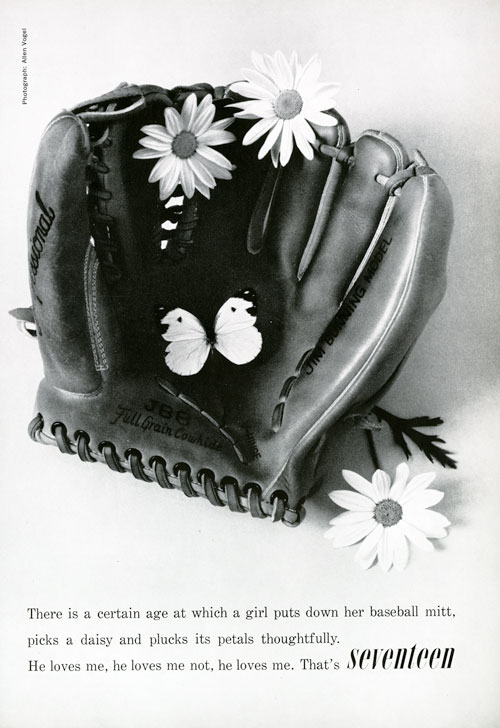
After spending time studying atCooper Union, dodging bullets in WW2, then studying at Cooper Union again, Art Kane took various jobs as a junior designer. At 26 he was made art director at Seventeen magazine, at the time it made him the youngest art director of a major magazine in New York.
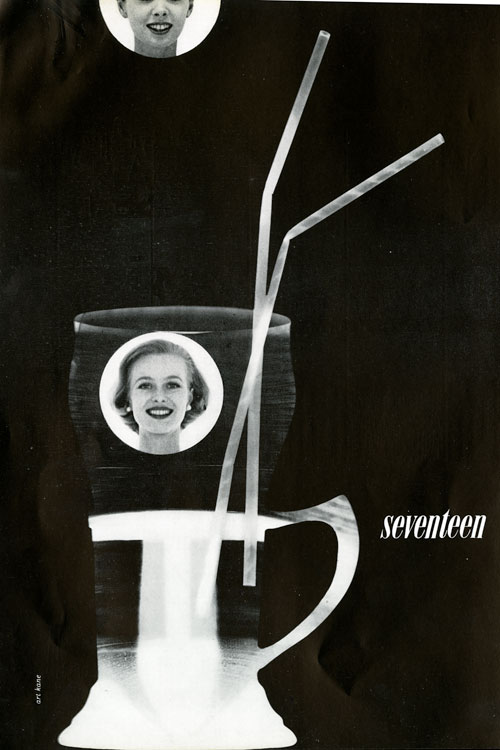
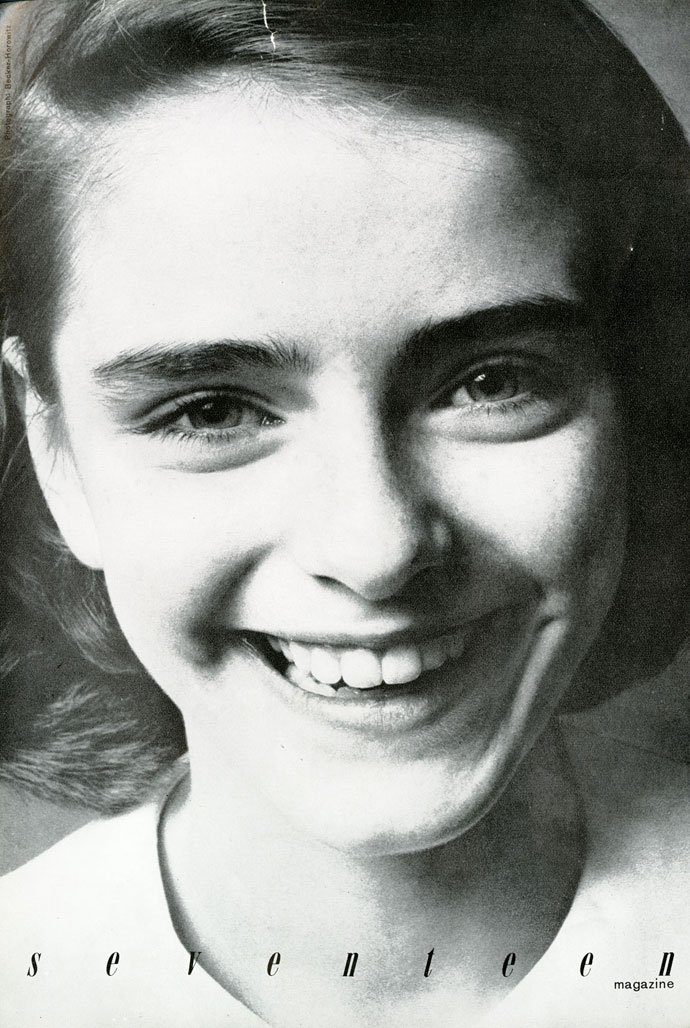
A few years later he started studying photography after work at The New School, under the most admired magazine art director in the world; Alexey Brodovitch.He taught Kane and many others, including Richard Avedon, Irving Penn and Diane Arbus, to go in search of the unseen.His doctrine was simple; ‘Astonish me!’.He starts to gain awards and recognition at Seventeen.One day a friend, the art director Robert Benton, tells him that Esquire magazine want to do a feature on Jazz, and asks whether Kane, still an art director at Seventeen, could brainstorm a few ideas for a picture.Kane suggests an idea; ‘I want to bring together as many musicians as possible photograph them. On 126th Street in uptown Harlem’.At that point Kane had never taken a professional photograph and didn’t own a single piece of photographic equipment. Esquire Editor Harold Hayes liked the idea, so notices were put up in all the jazz clubs, and at the local Musicians’ Union office, announcing the photo shoot and informing the Jazzers that it was scheduled for 10am. (August the 12th, 1958). Possibly showing his lack of experience, he organises the shoot for 10am August 12th 1958.10am? A ridiculous time to shoot people whose lives revolved around late nights.As one of them puts it in the documentary ‘Most of those guys didn't know there were two 10 o’clocks in the same day’.
(Worth a watch if you’ve got the time, it’s great.)Never the less, Charlie Mingus, Count Basie, Thelonious Monk, Dizzy Gillespie, Gerry Mulligan, Gene Krupa, Art Blakey and fifty others turned up. The novice Kane managed to keep them all in focus whilst pressing the shutter.
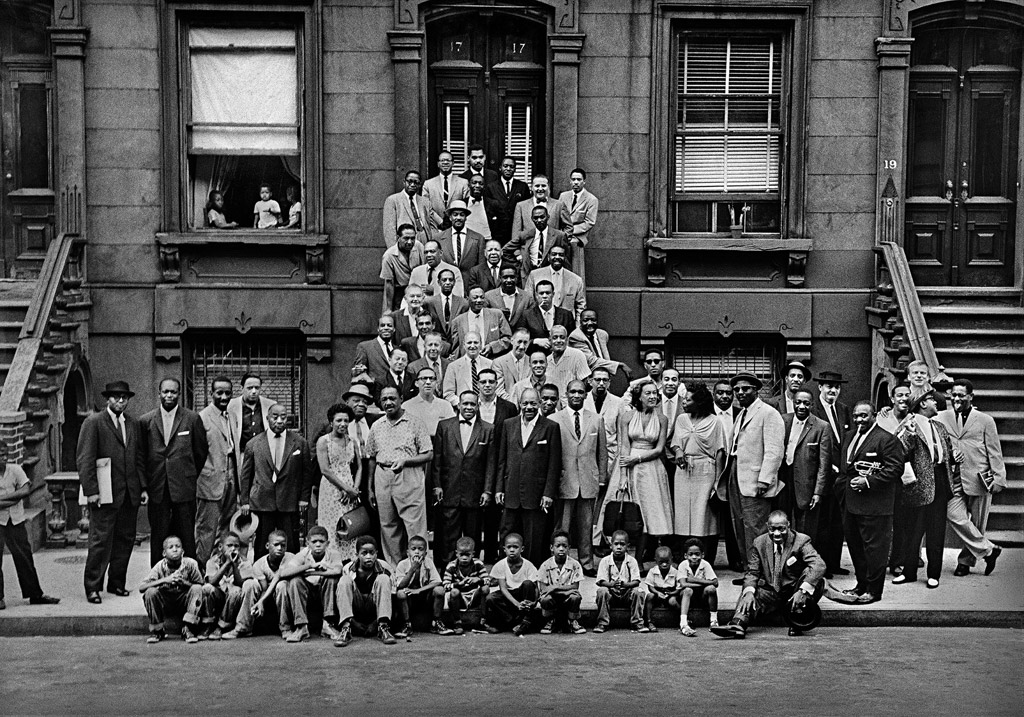

Not a bad result for his first commission; the best Jazz photo ever.He then switches to photography.His early work showing his graphic eye and background.
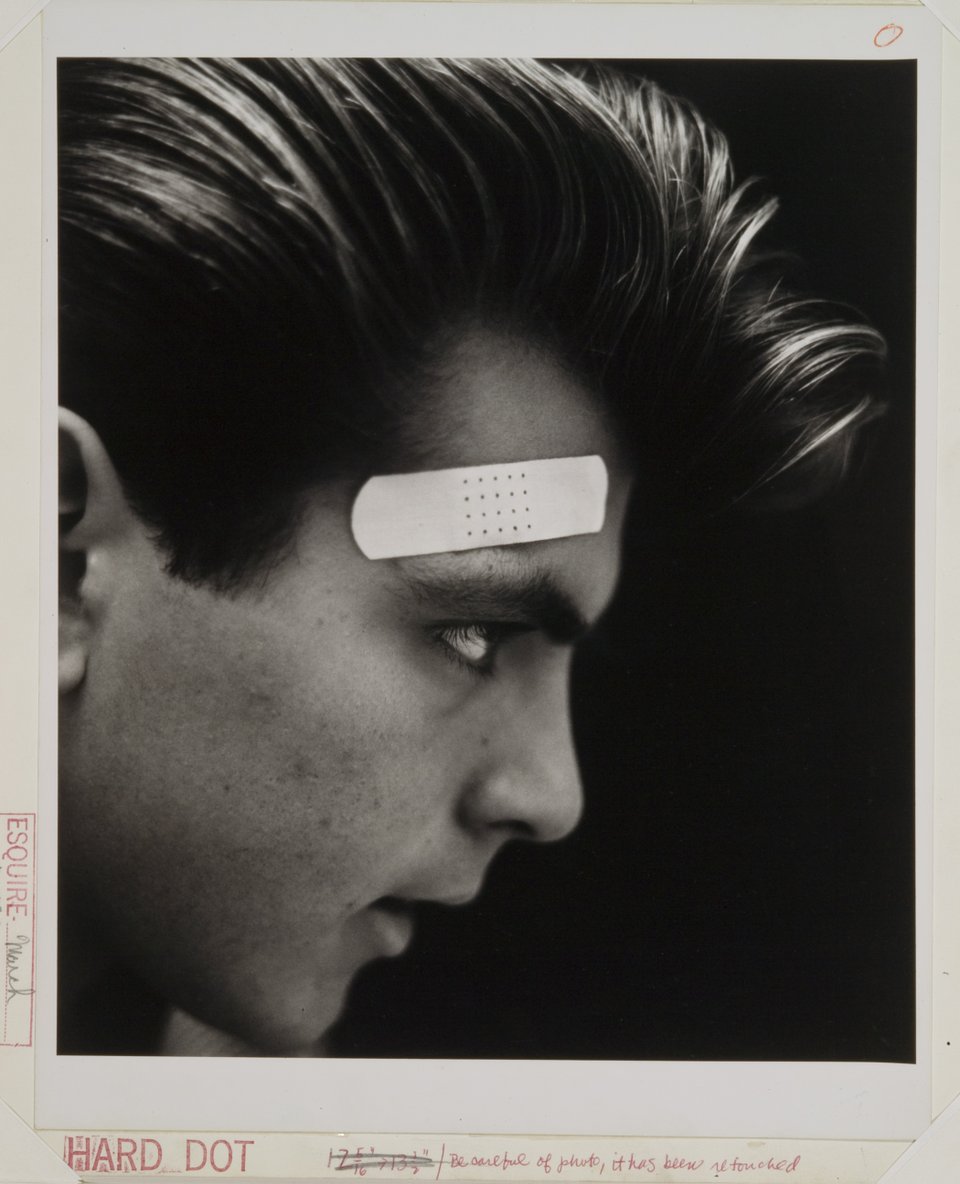

It’s worth noting that when Kane became a professional photographer, ‘professionals’ used large format, plate cameras.35mm cameras were looked down upon, considered amateur because 35mm film was felt to be too small for publication.Art Kane loved 35mm, he used it almost exclusively.It was liberating.Because the camera wasn’t big and cumbersome it allowed his eye to keep moving, keep seeking the new.It allowed him to shoot from angles that would never be considered if shooting with a large format camera.His early pictures feel like he must’ve spent most days on his back or knees.It made his images feel fresh, intimate and energetic.Weirdly, although you don't need to put a black cloth over your head with a 35mm camera, he did, in the form of his jacket.“I looked ridiculous with my jacket over my head, because nobody would cover up like that when shooting with a 35mm, but I just loved that sense of alienation, of being totally removed from the outside world, as if I had my own little theatre available to me.”Here’s an example, presumably shot whilst laying on his side on a dewy putting green, capturing an Arnold Palmer putt.

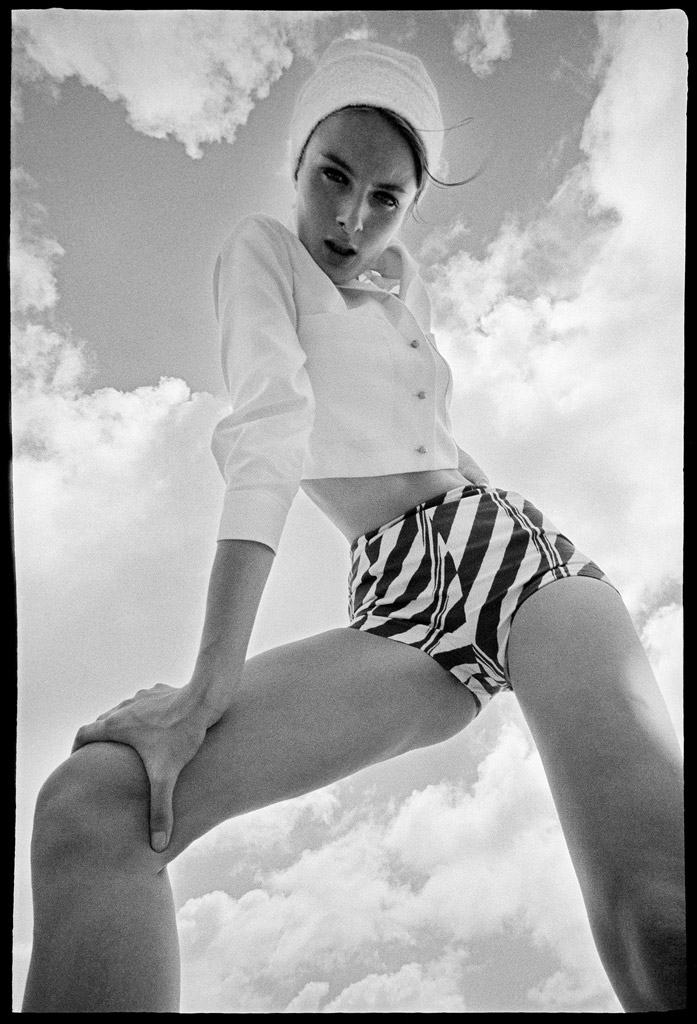
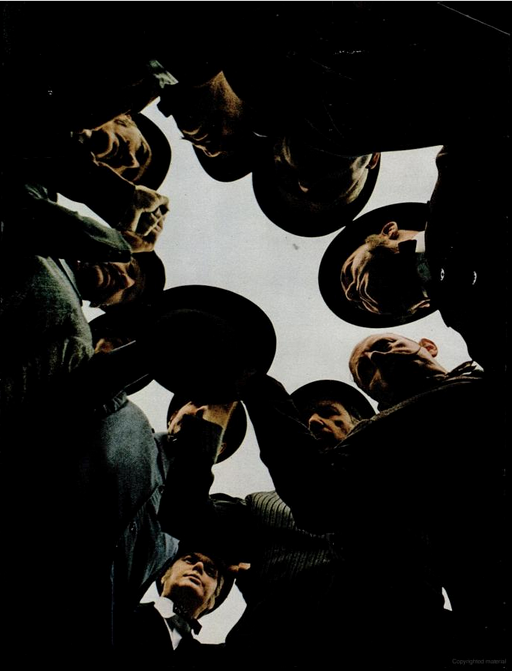
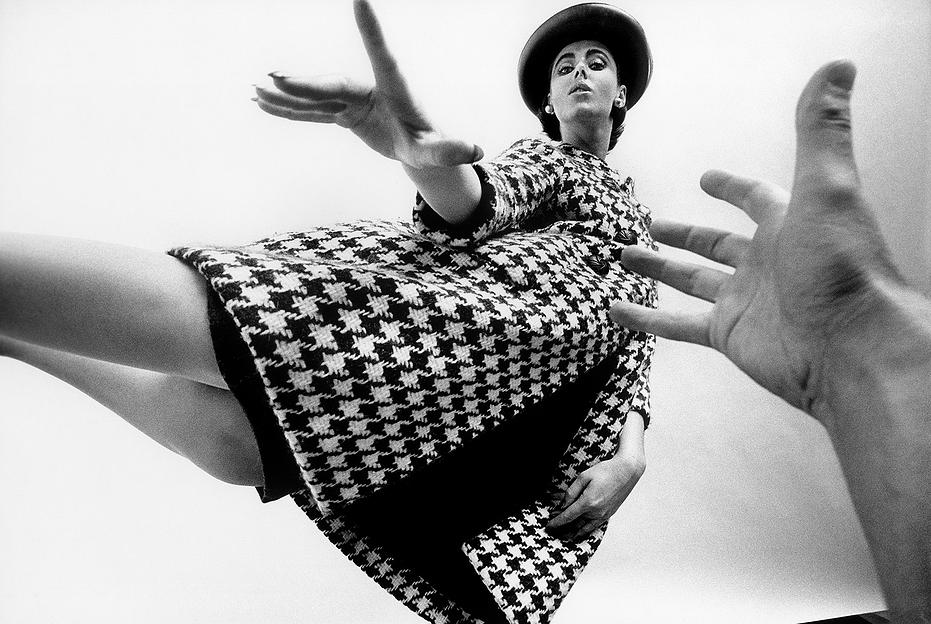
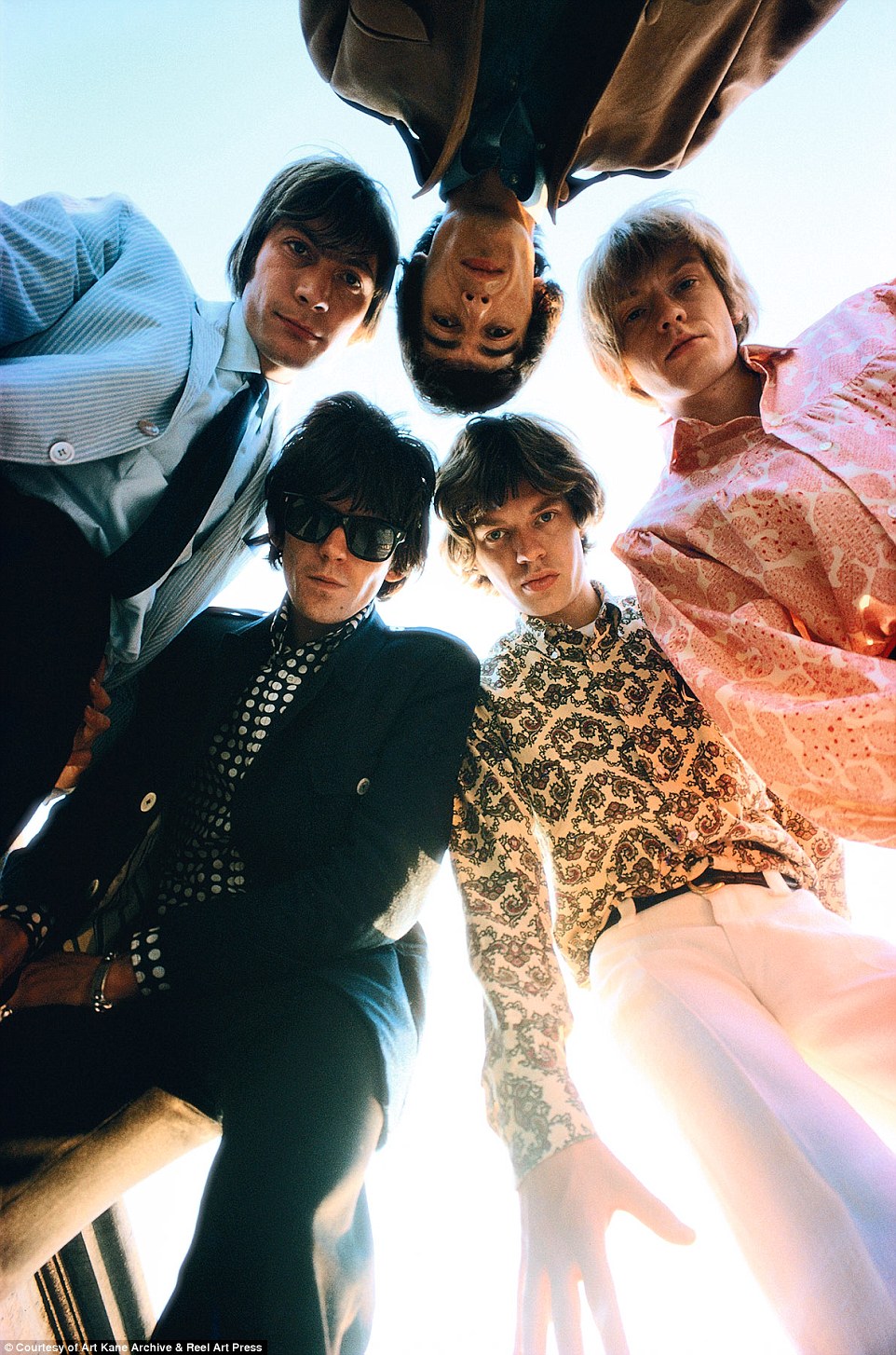
He may have looked odd, but images looked great; less formal and more intimate.
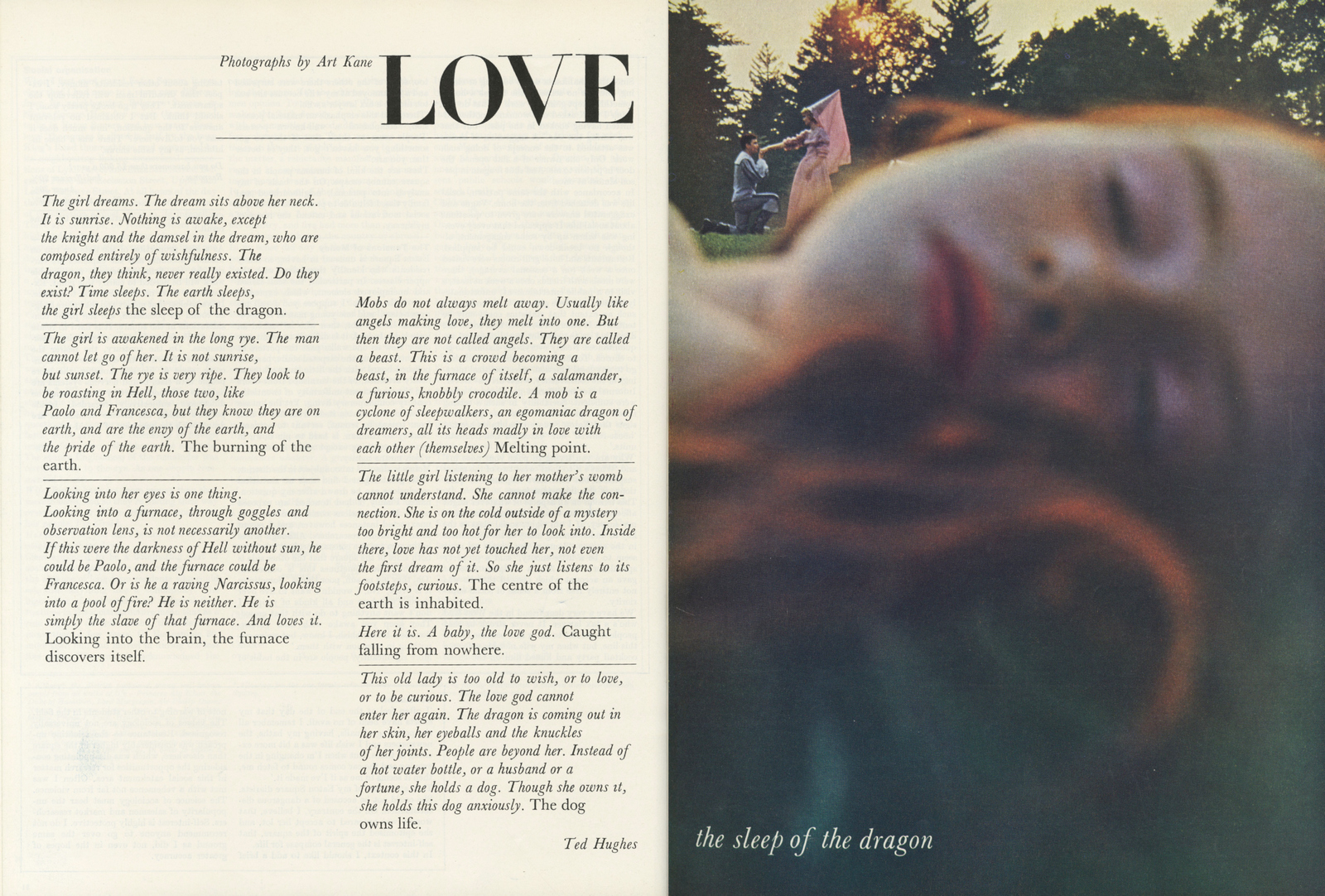
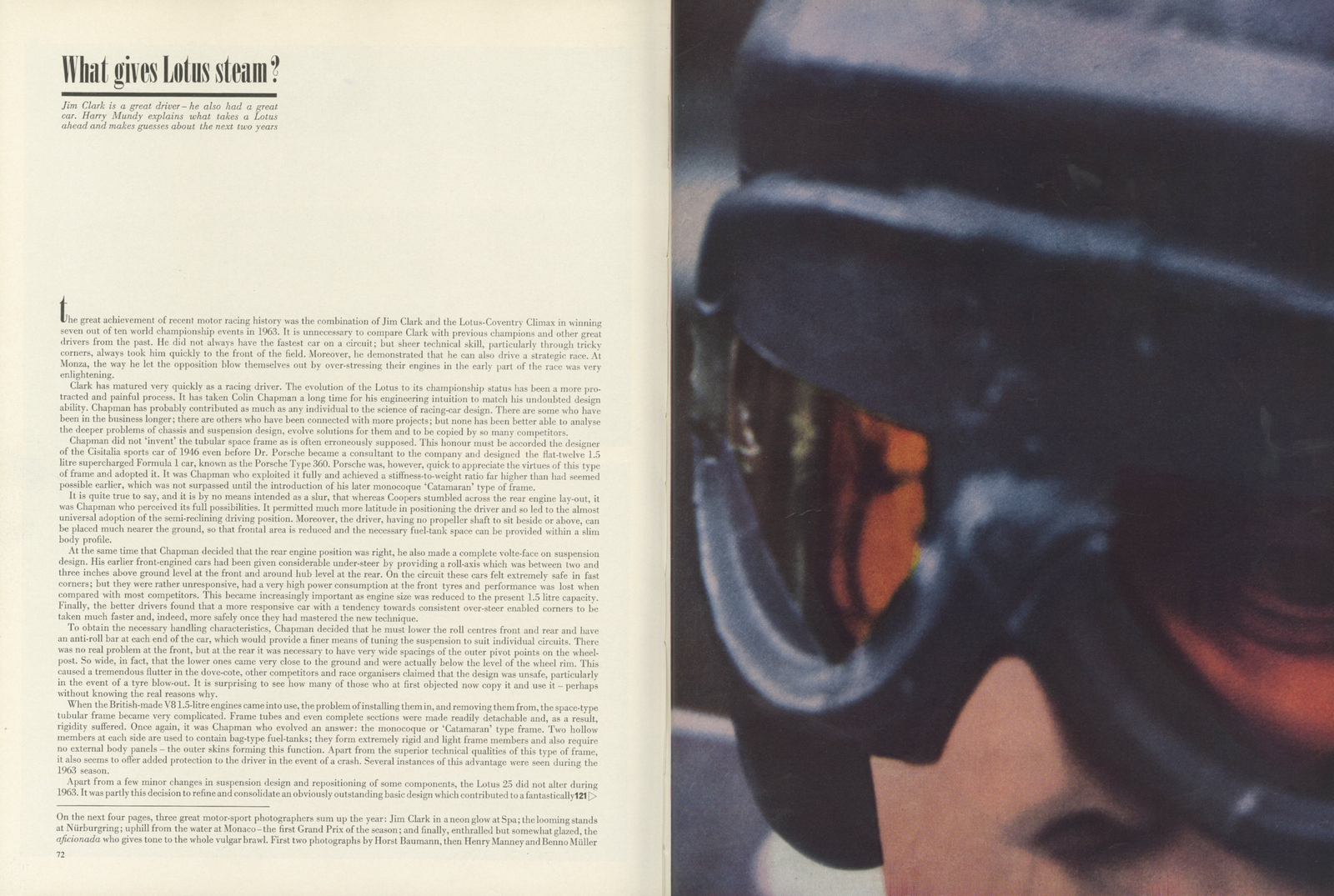
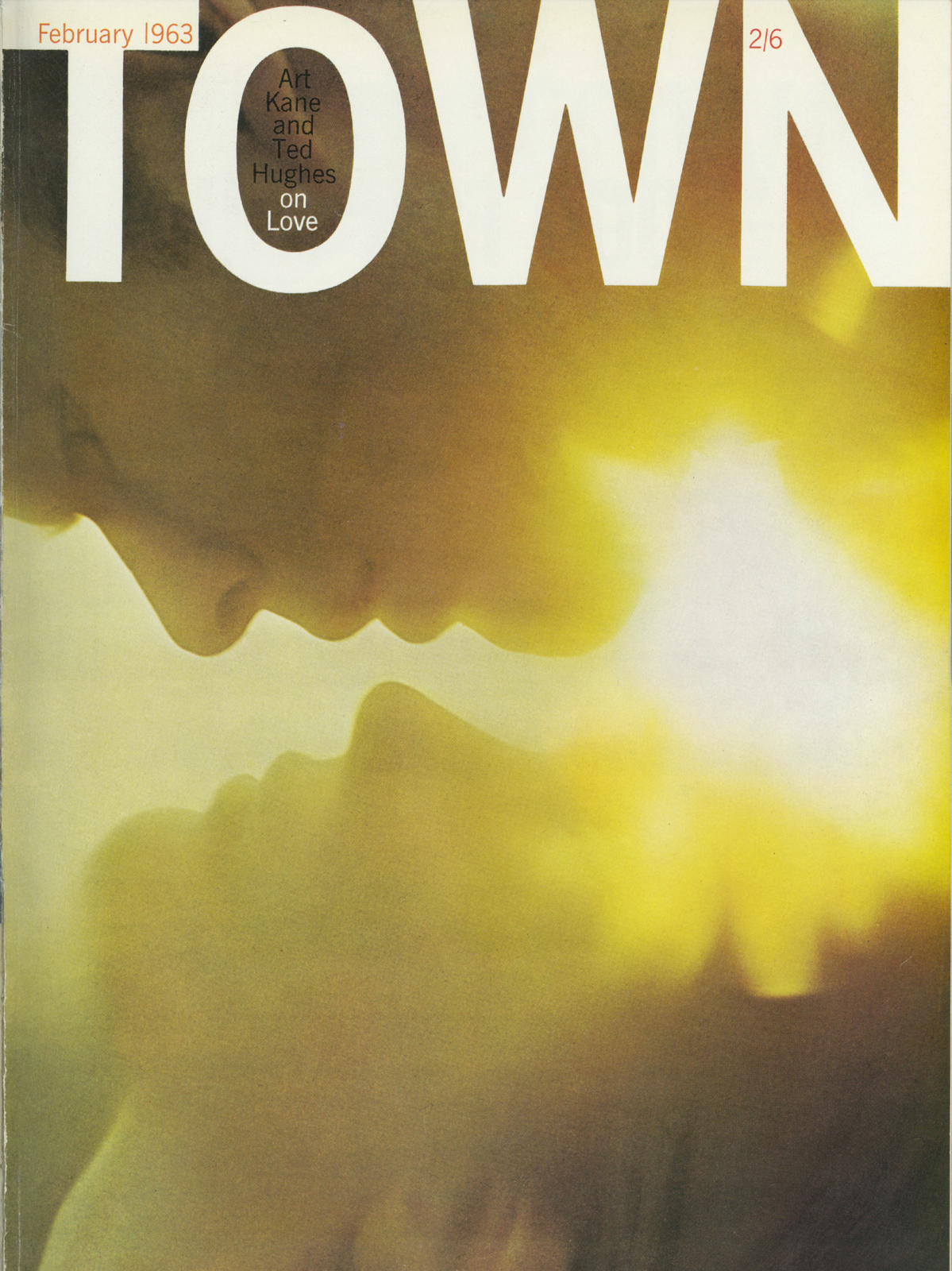

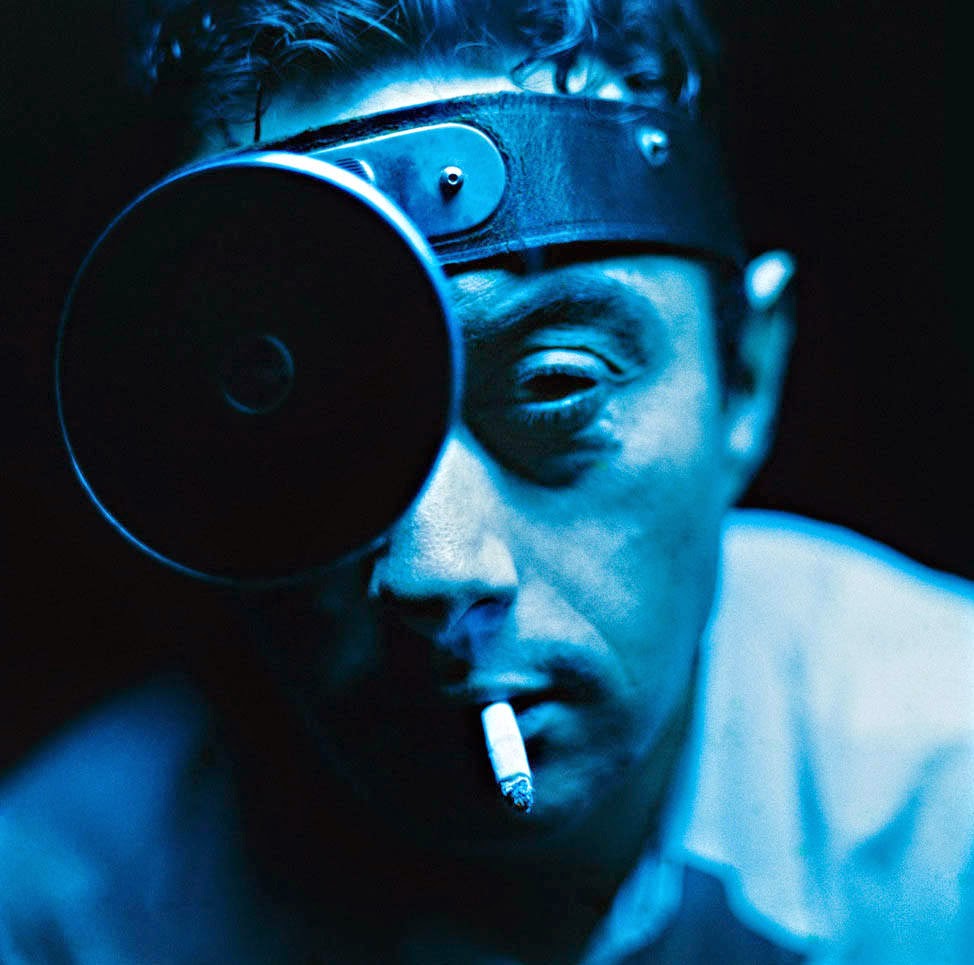
His portraits show his art director background, they aren’t reportage, they’re ideas.“I want to communicate the invisible elements in a personality”.LENNY BRUCE.
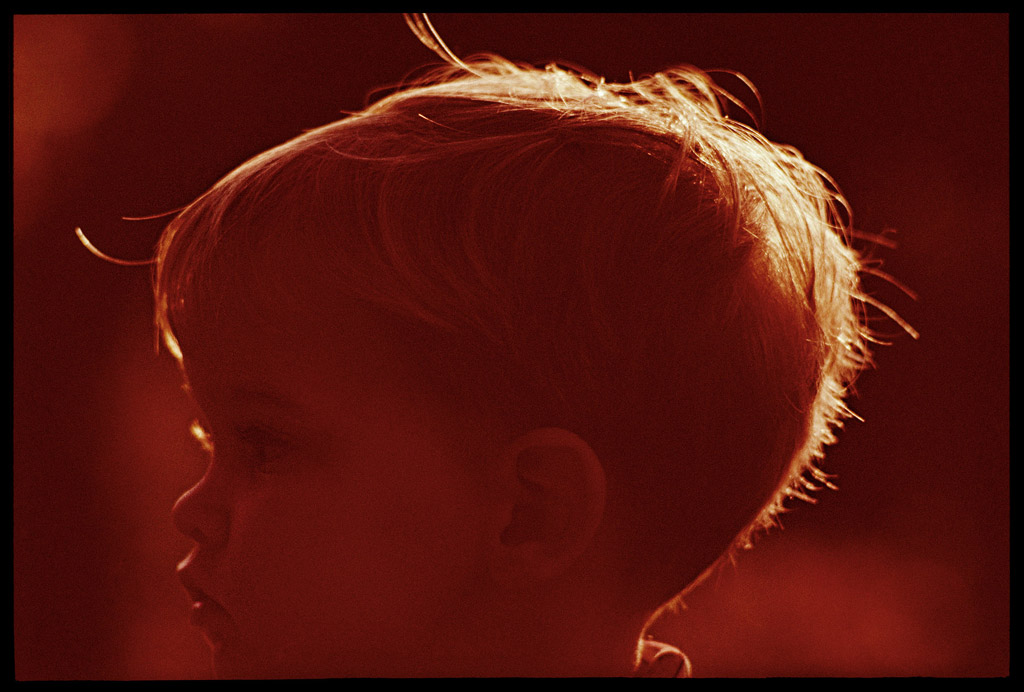
JOE LOUIS.
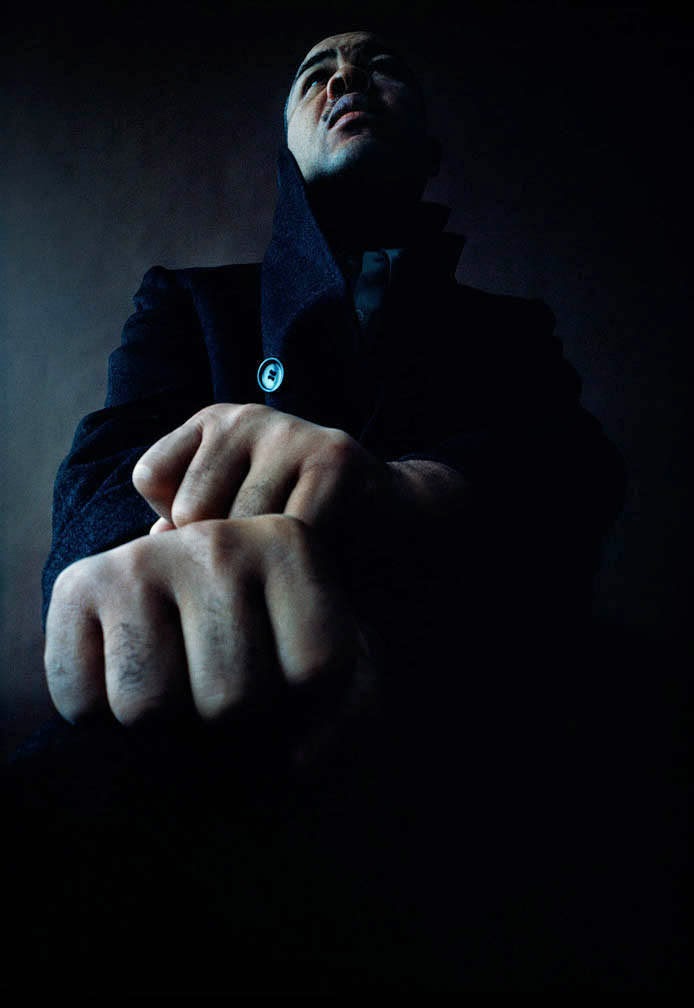
KEITH RICHARDS.
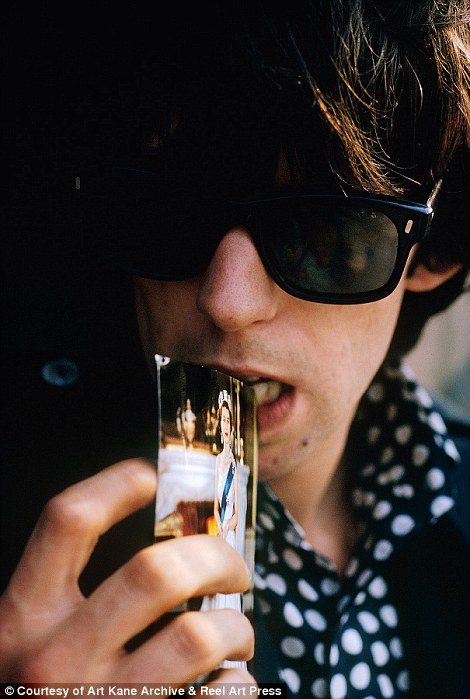
BOB DYLAN.
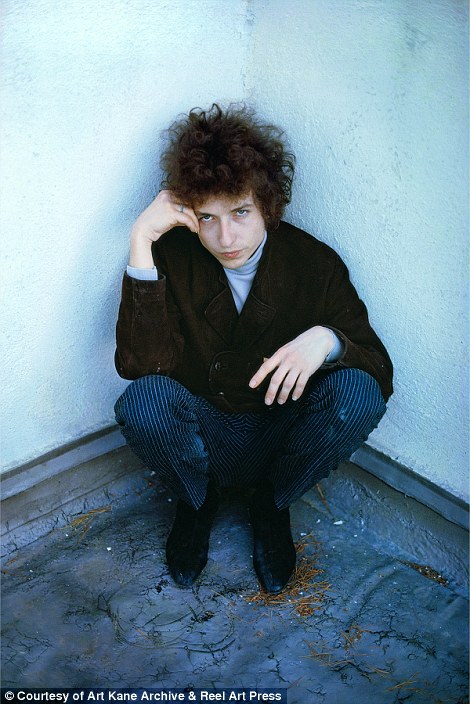
ALI McGRAW

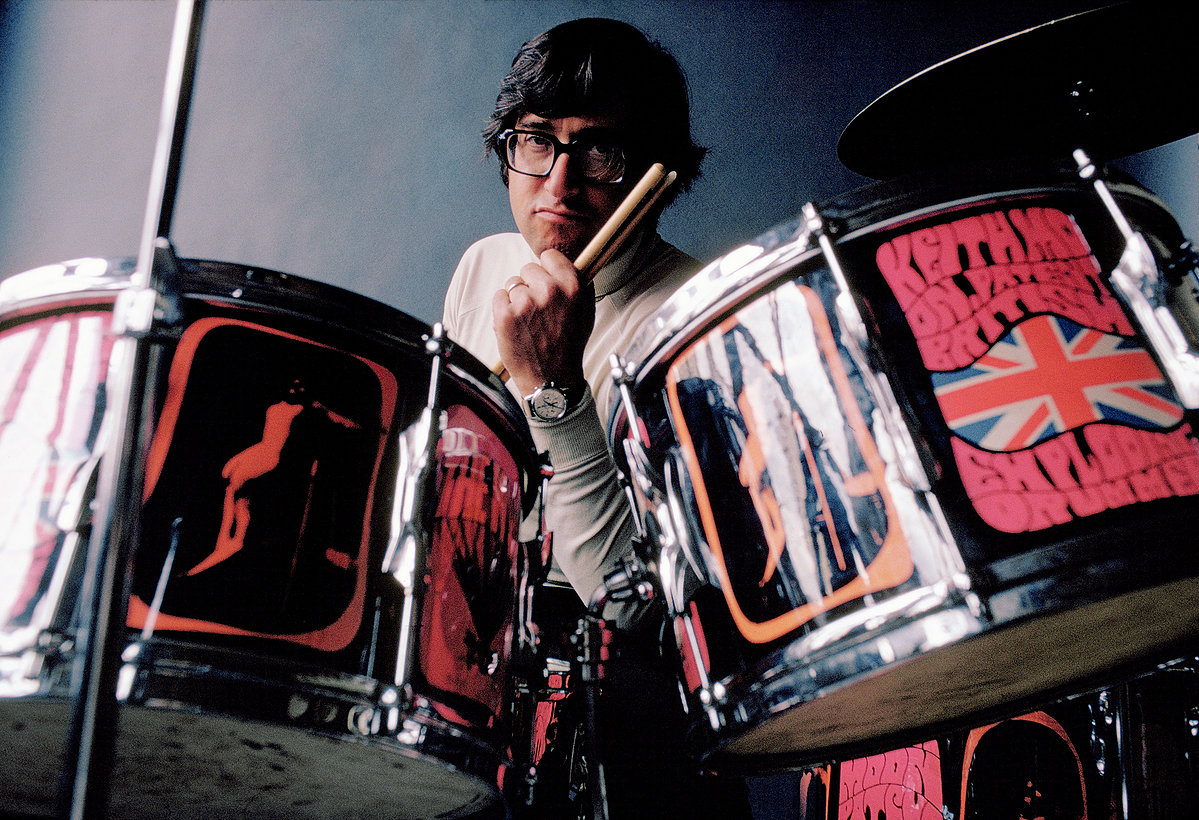
ART AT KEITH MOON’S DRUM KIT.
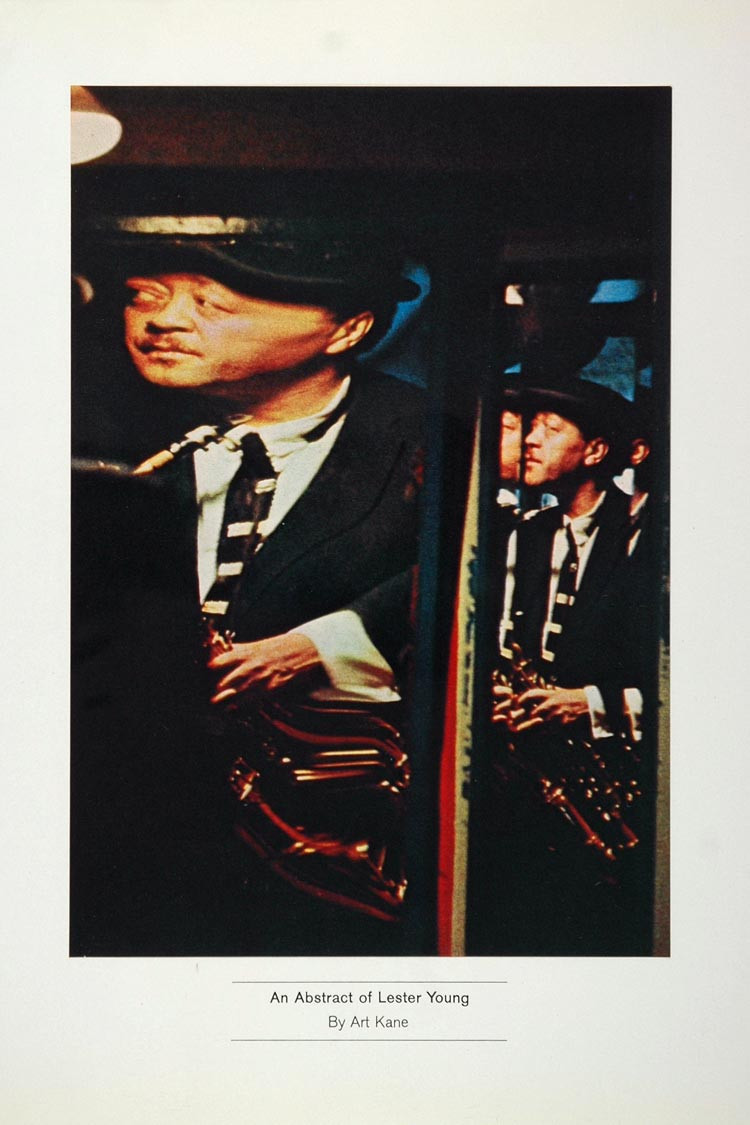
LESTER YOUNG.
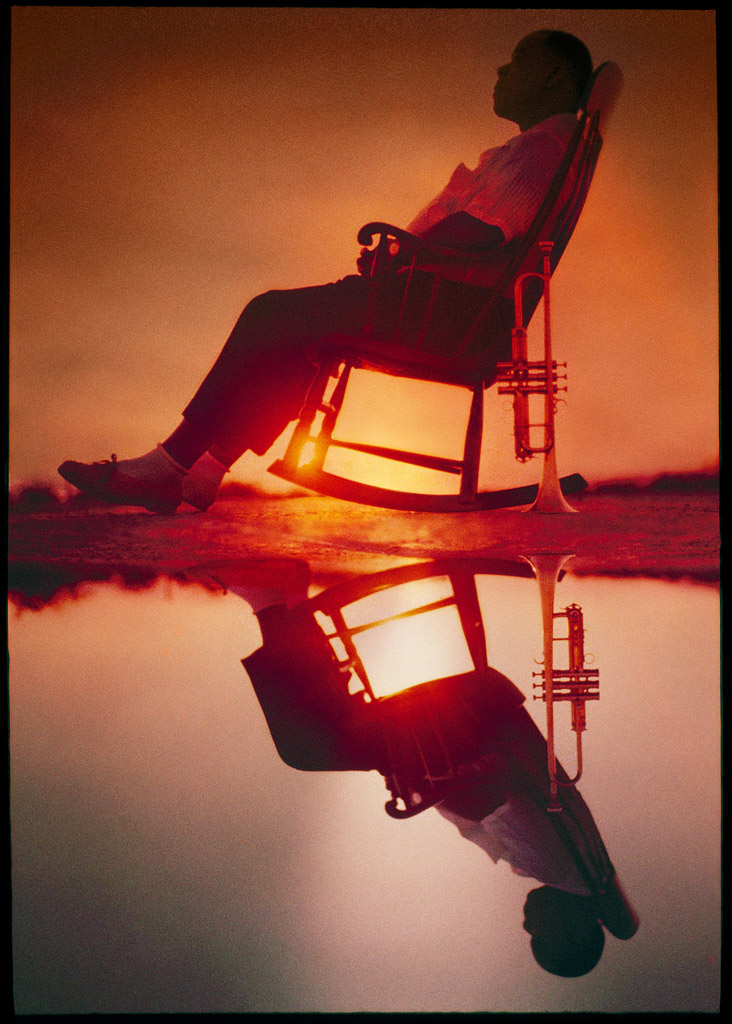
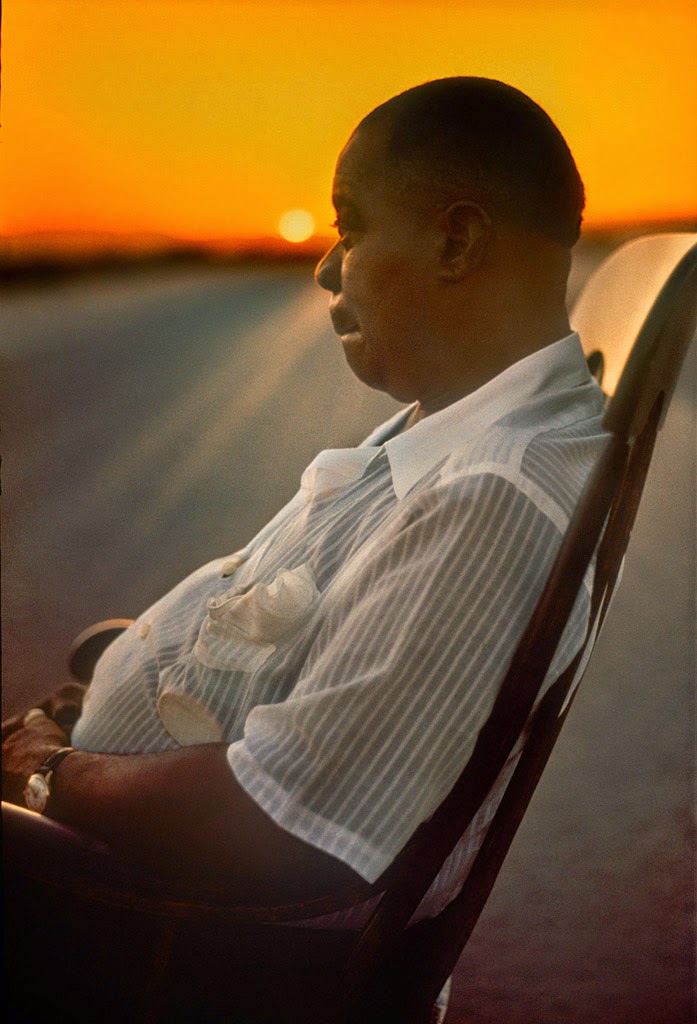
LOUIS ARMSTRONG.
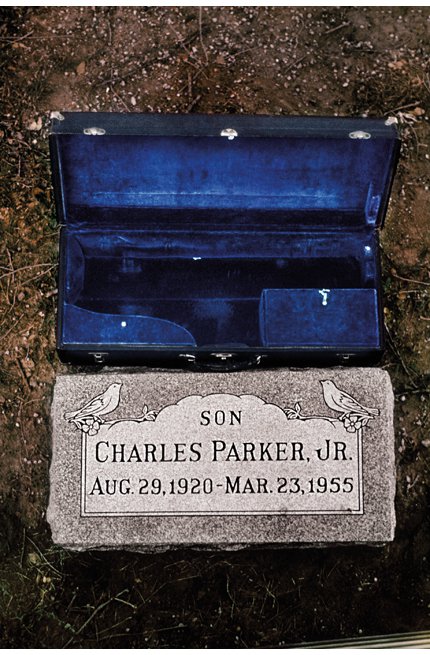
CHARLIE PARKER.
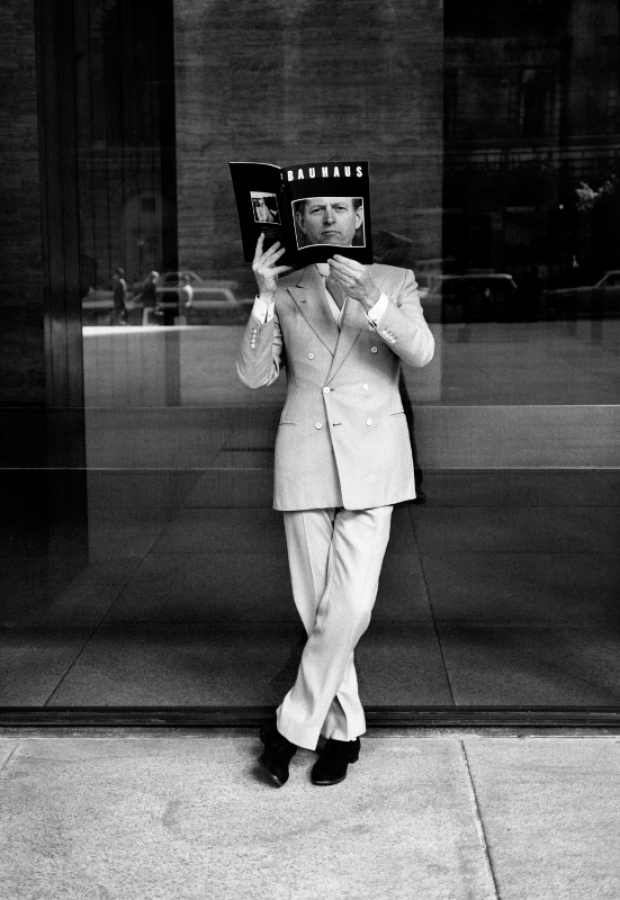

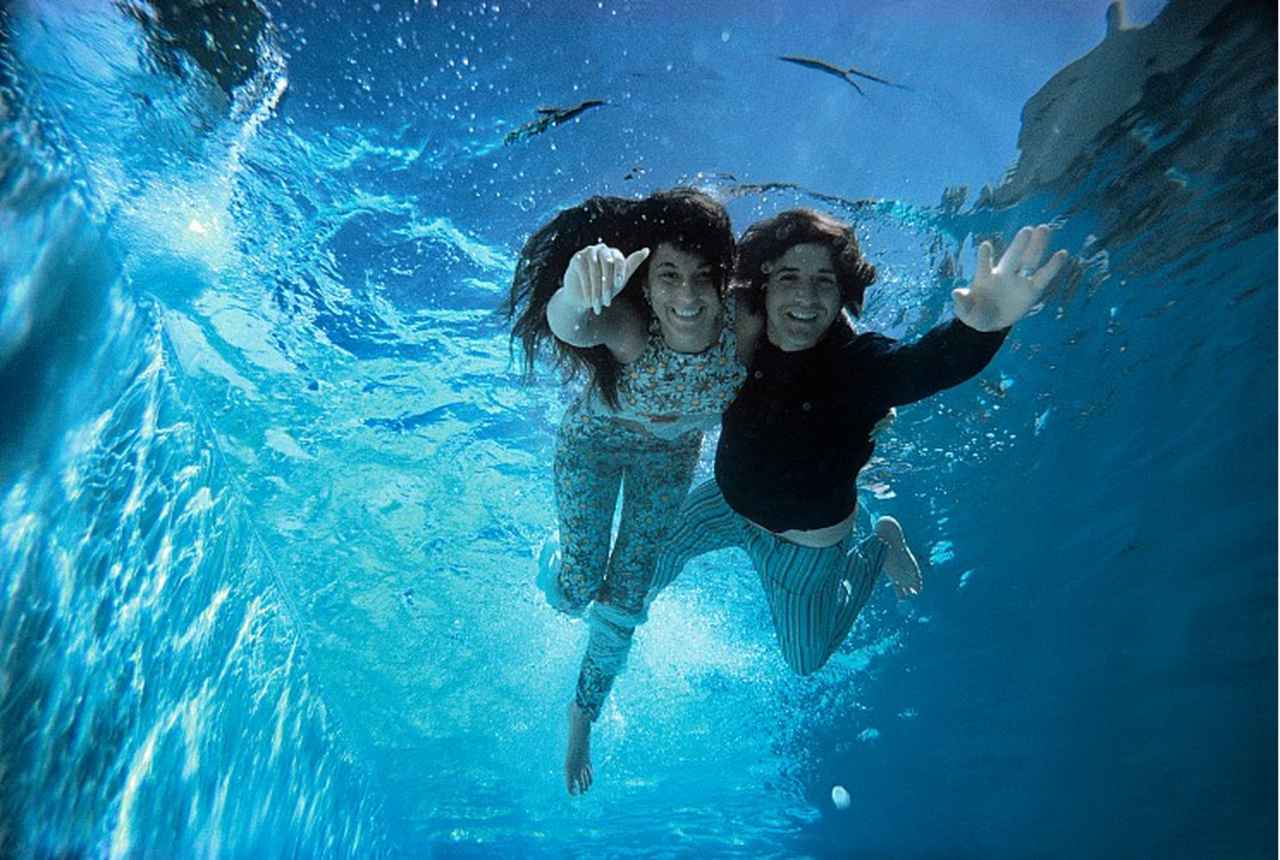
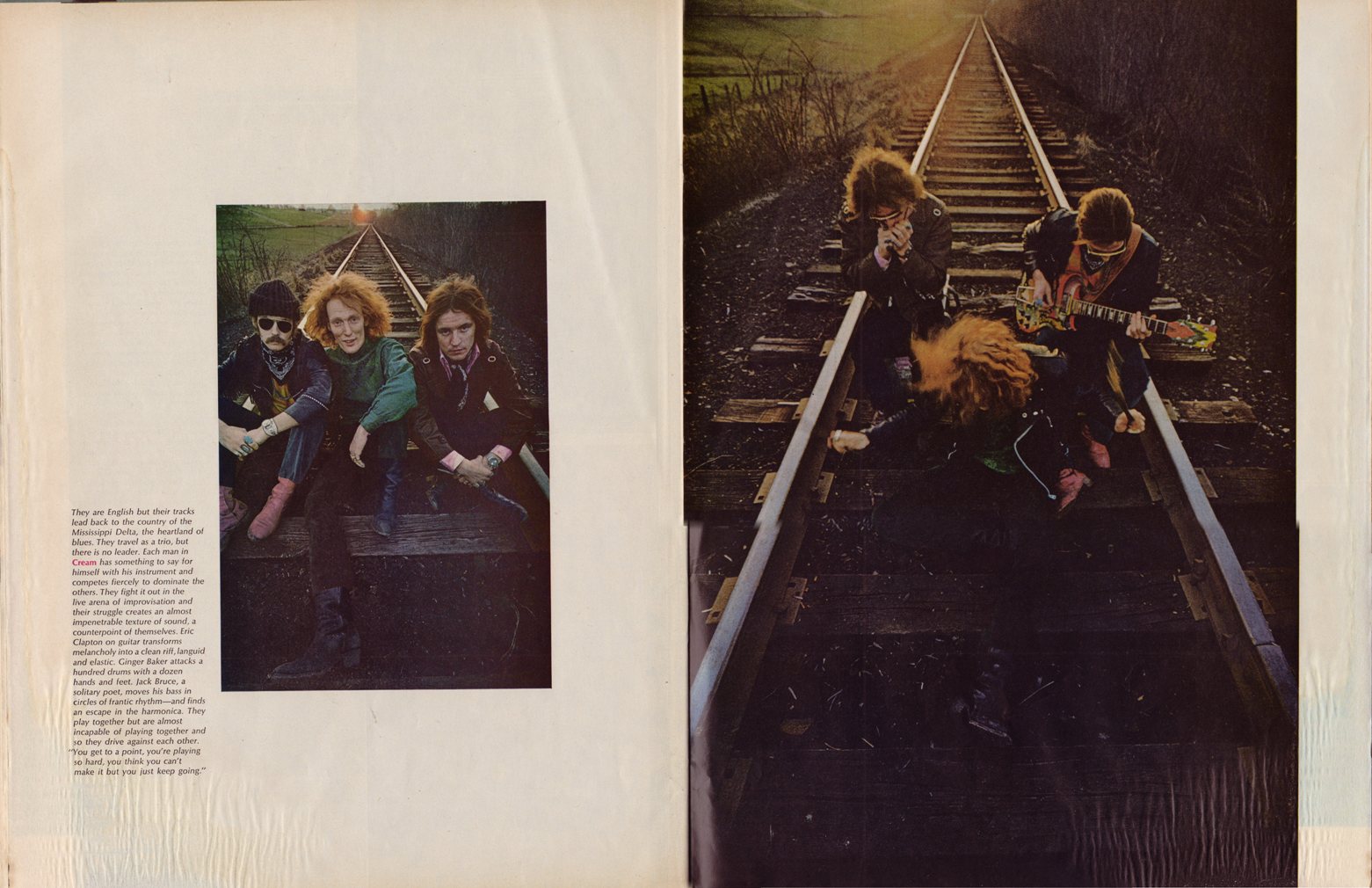
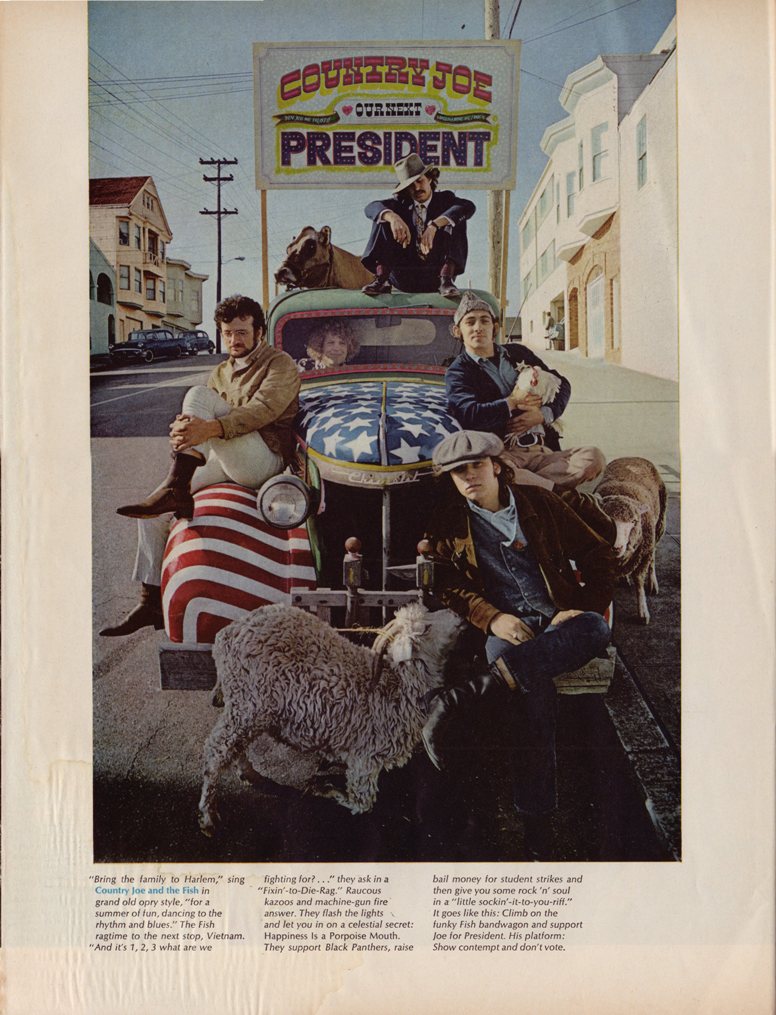
His 1968 article for Life magazine ‘THE NEW ROCK’ was seminal.

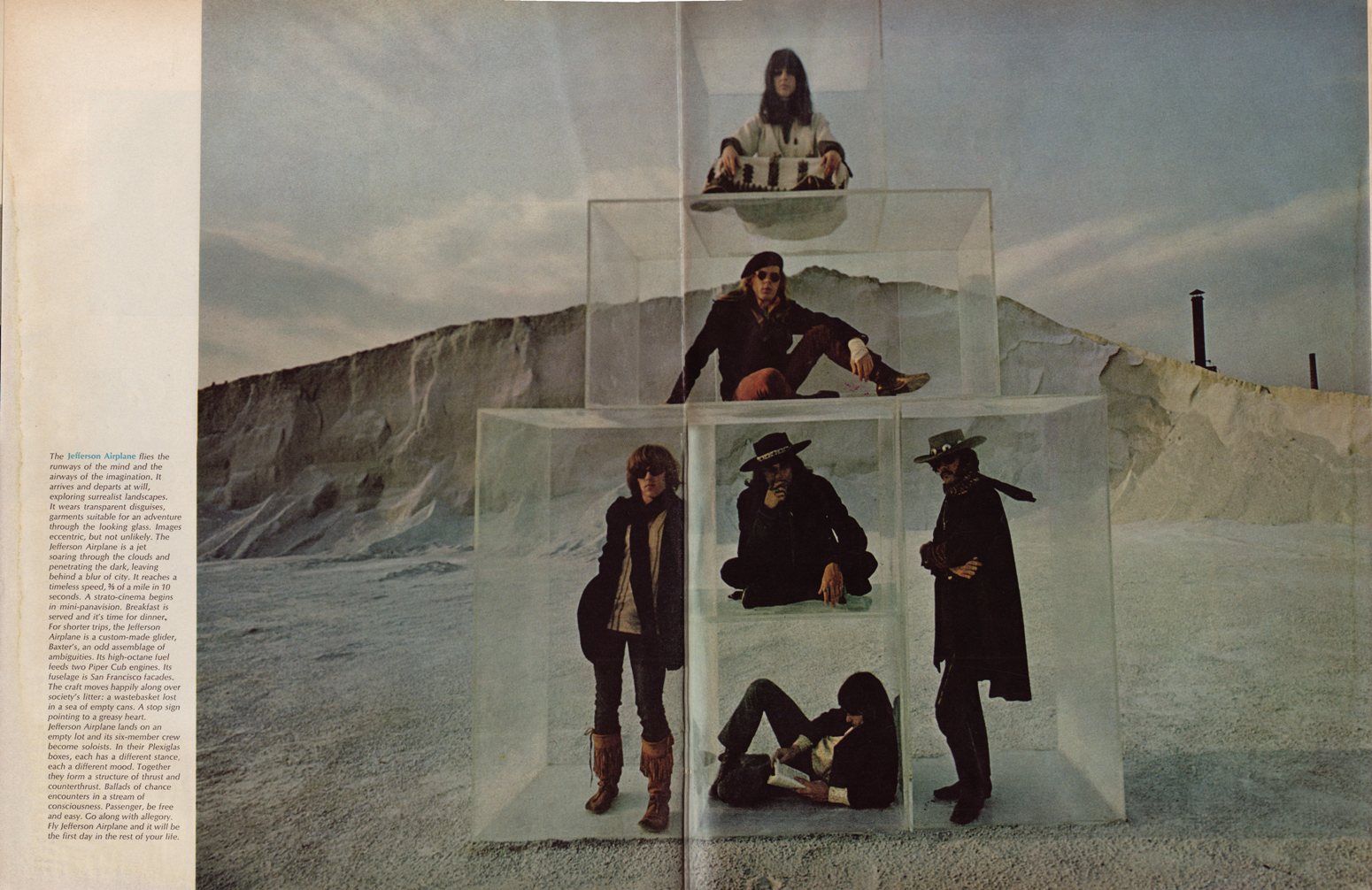
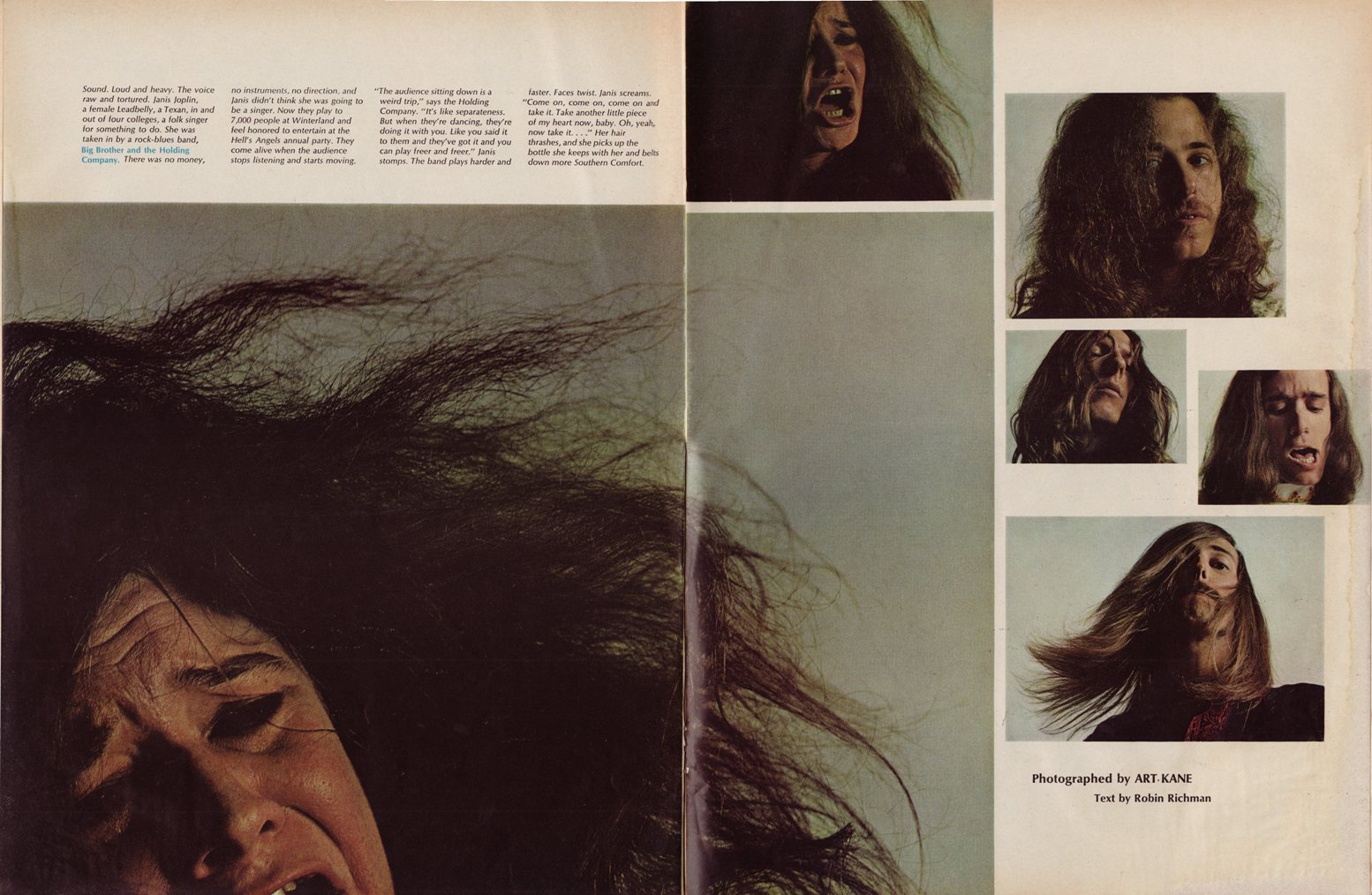
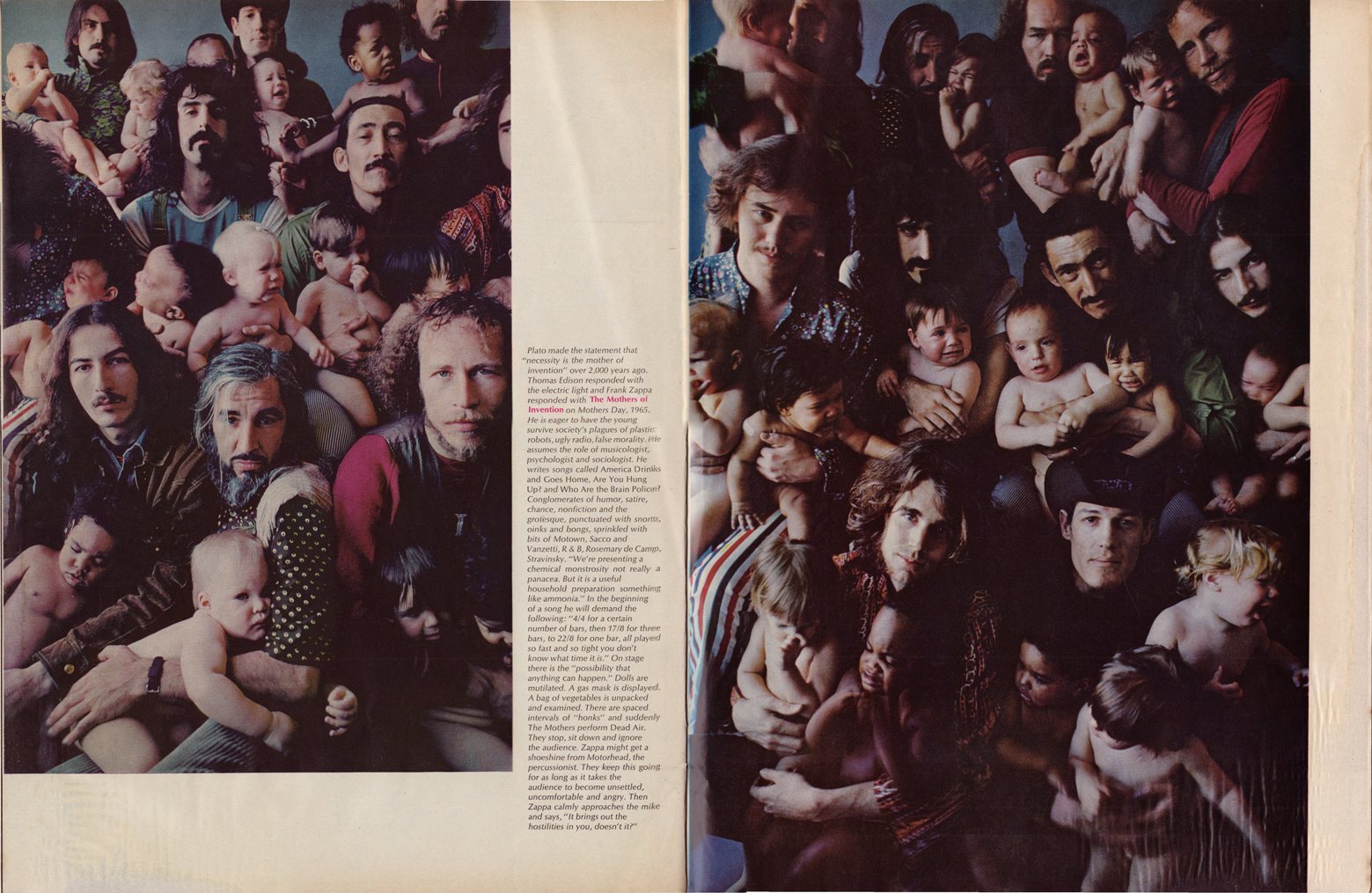

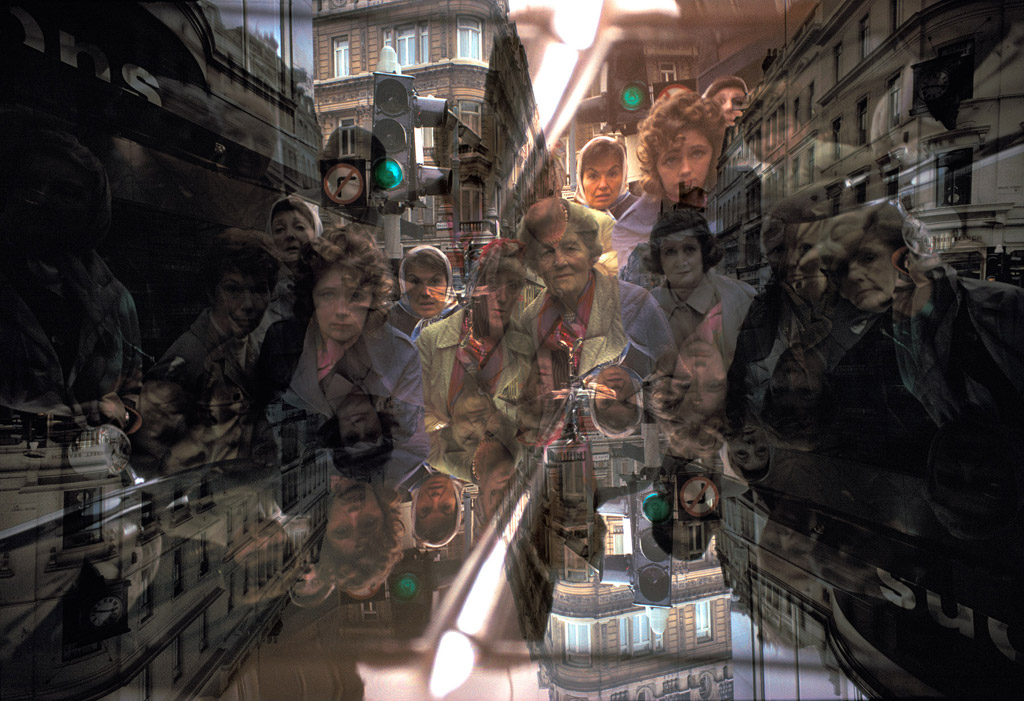
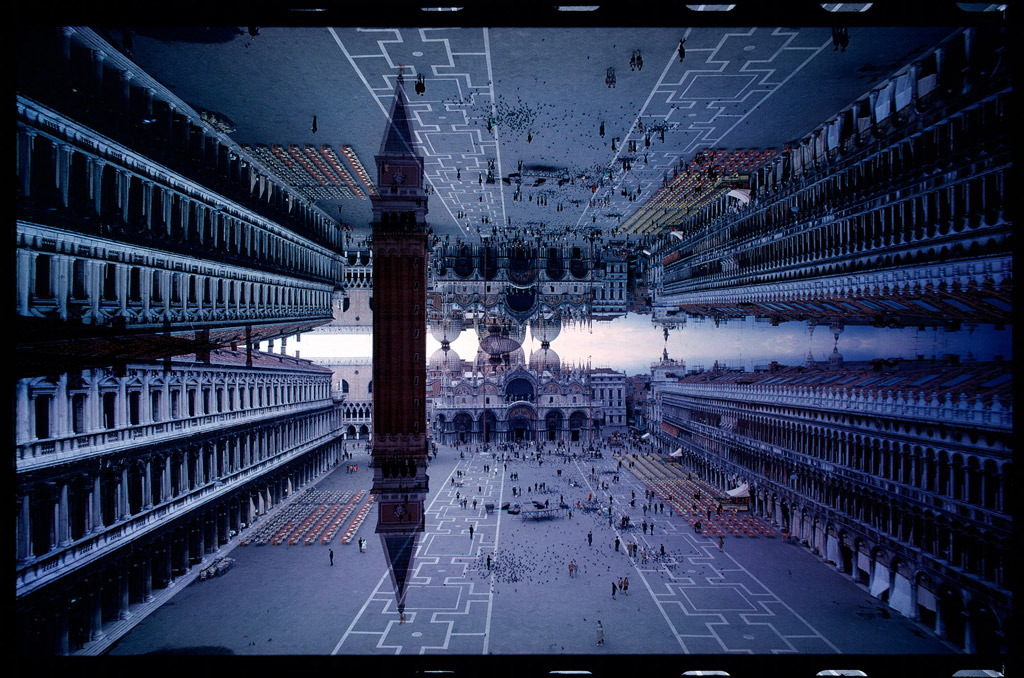
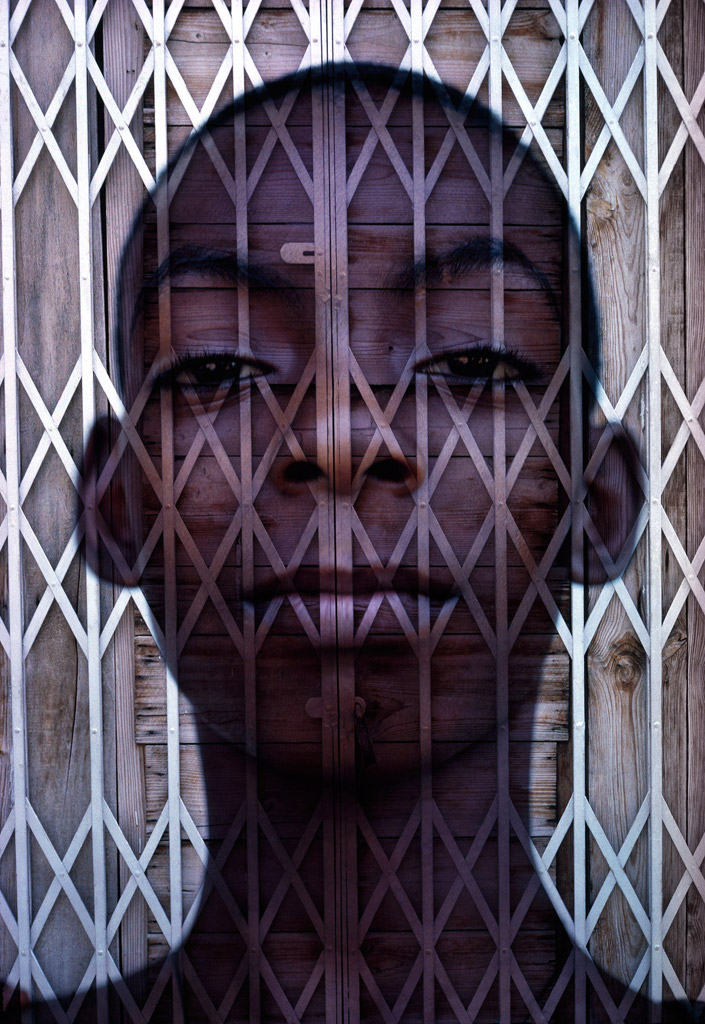
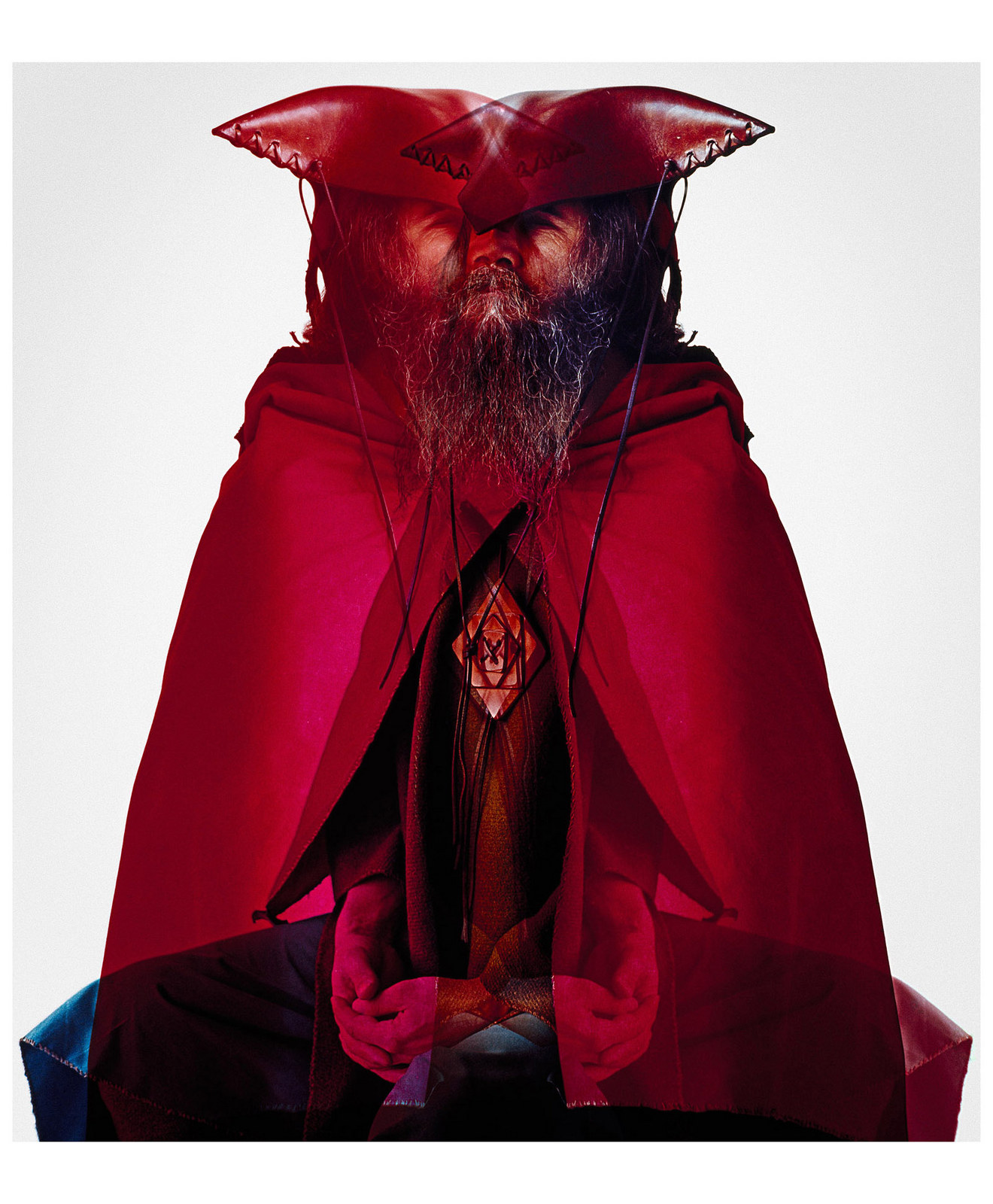
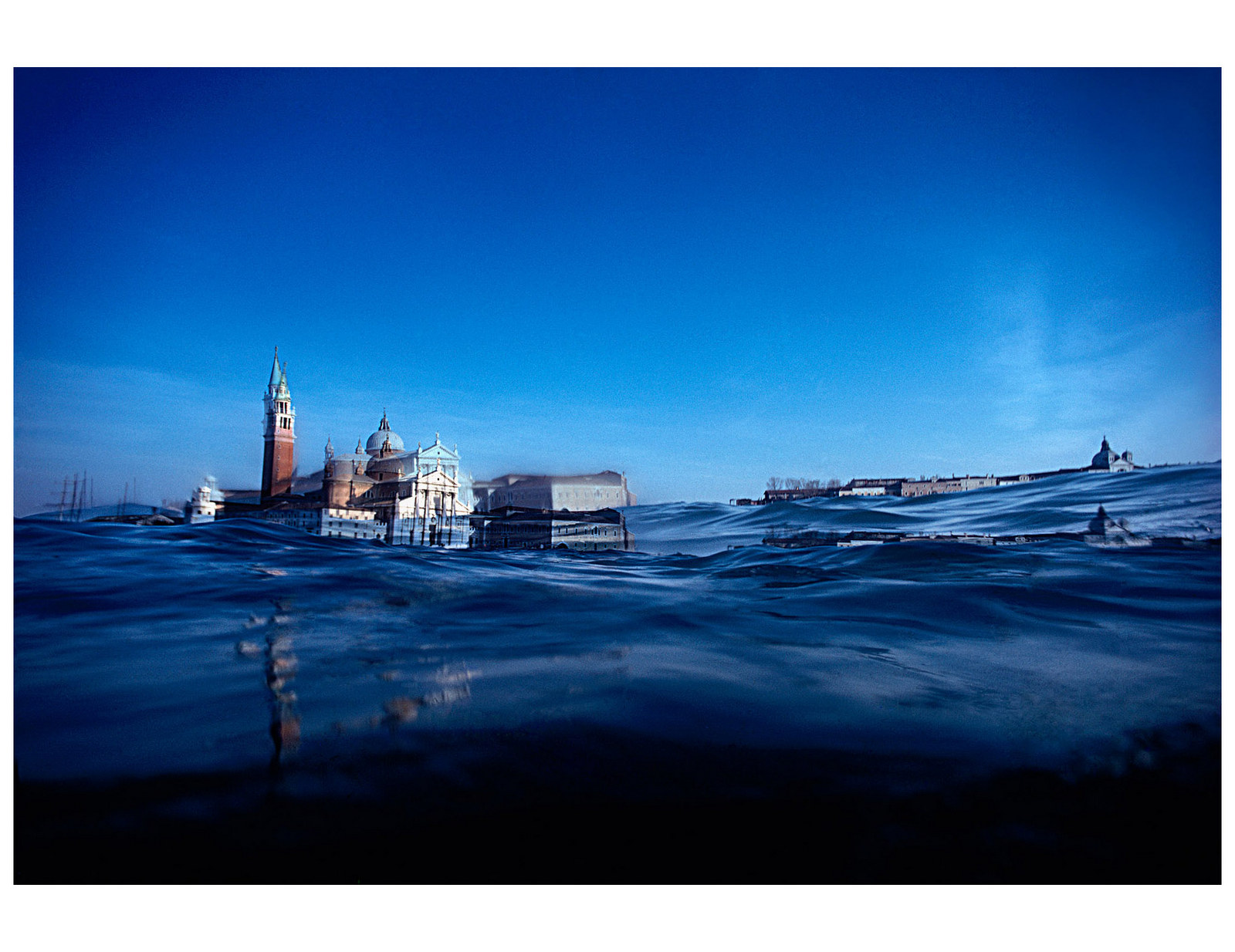
In search of new ways to ‘astonish’, he comes up with the idea of making ‘film sandwiches’, as he he calls them.Because we are all so familiar with Photoshop today the results look familiar.But you have to imagine trying to do this back in the late sixties.He would work with nothing more than a light box, scalpel and a magnifying glass.




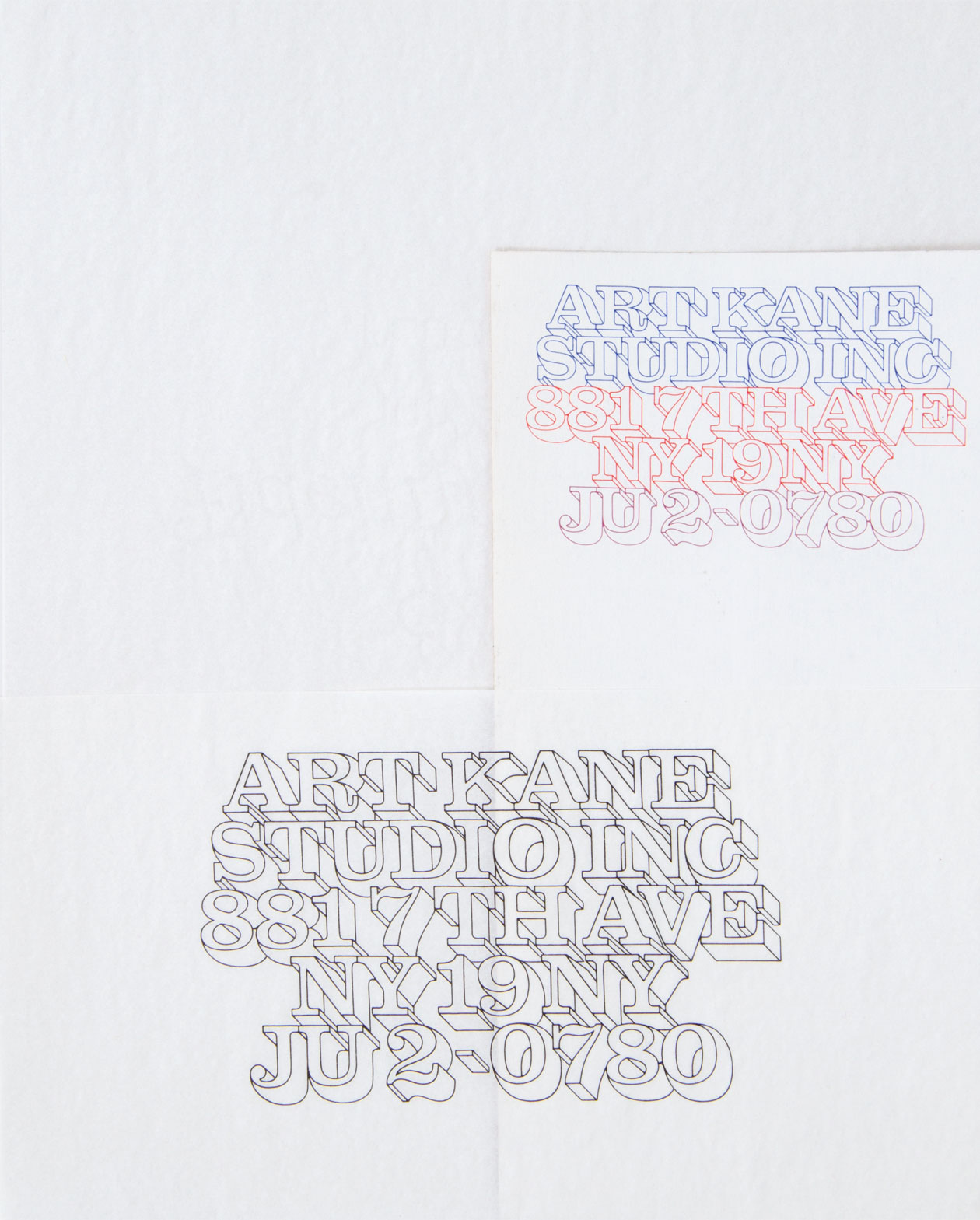
Here’s his letterhead from the around this time, feeling groovily sixties.
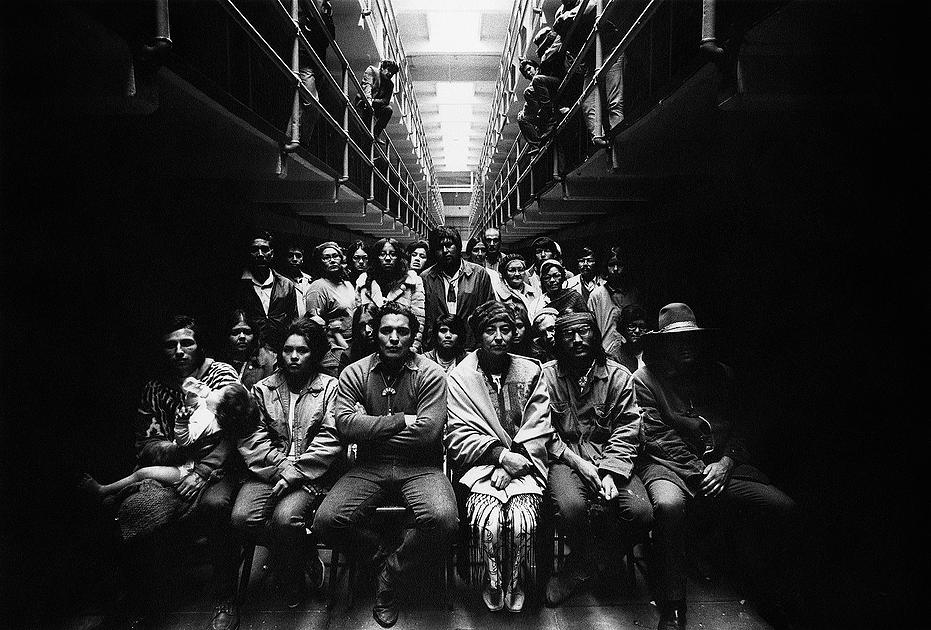
Towards the end of the sixties Kane, like many other Americans, gets a conscience.Shooting more symbolic images:a) Sit-Ins. This one at Alcatraz.
b) Viet Nam veterans.

c) Peace marches.
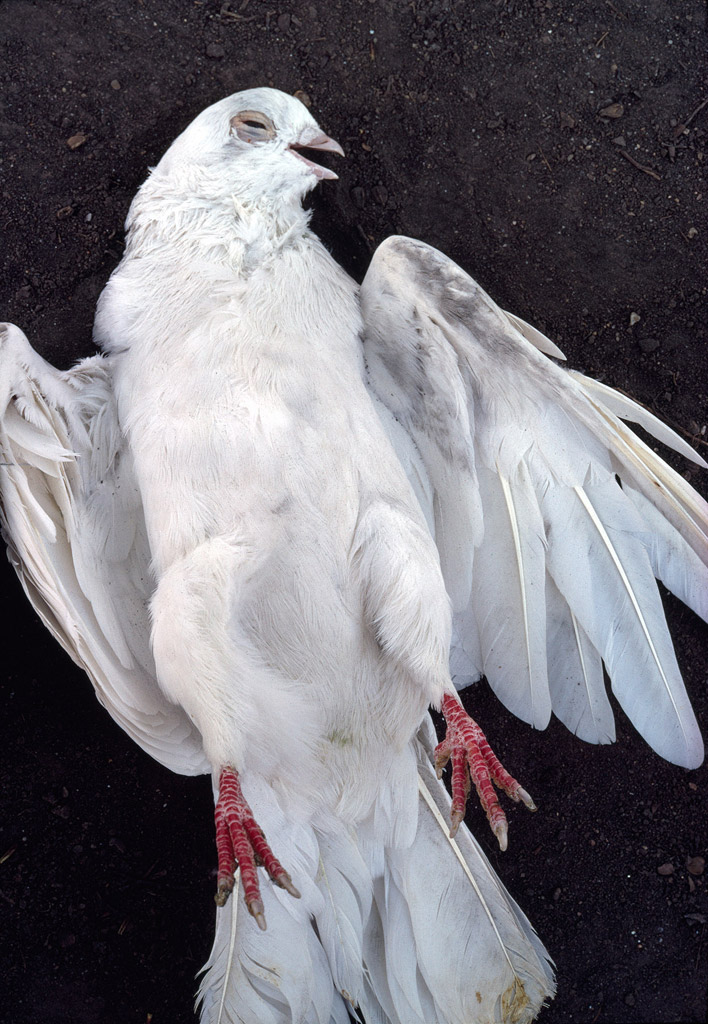
d) Race.
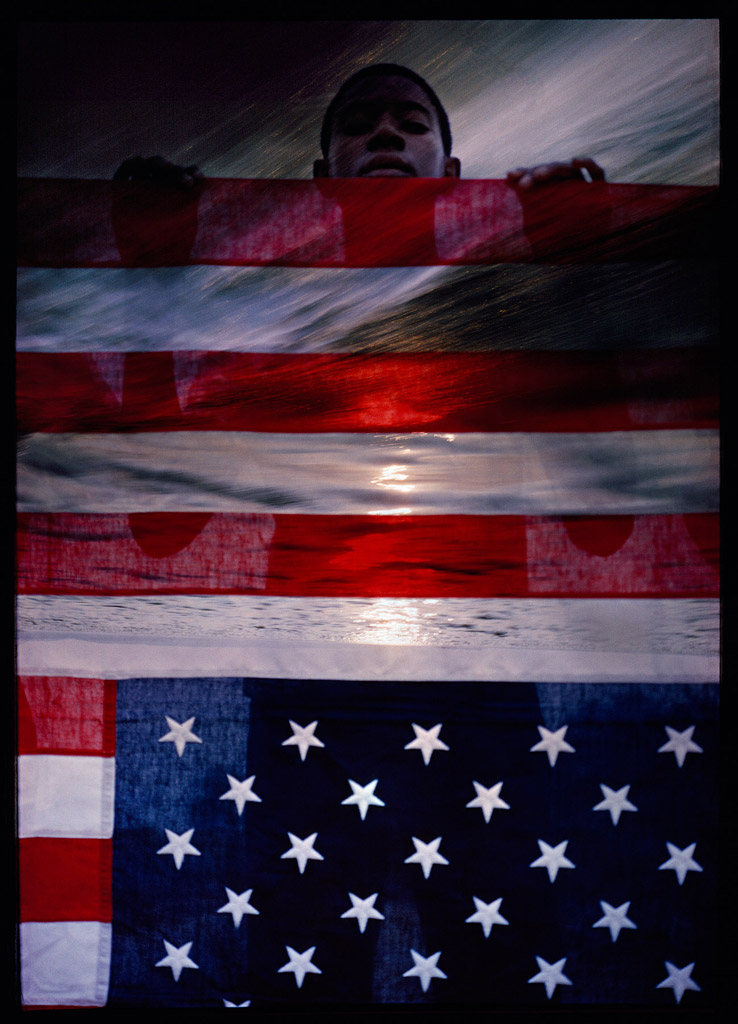
e) Race again.
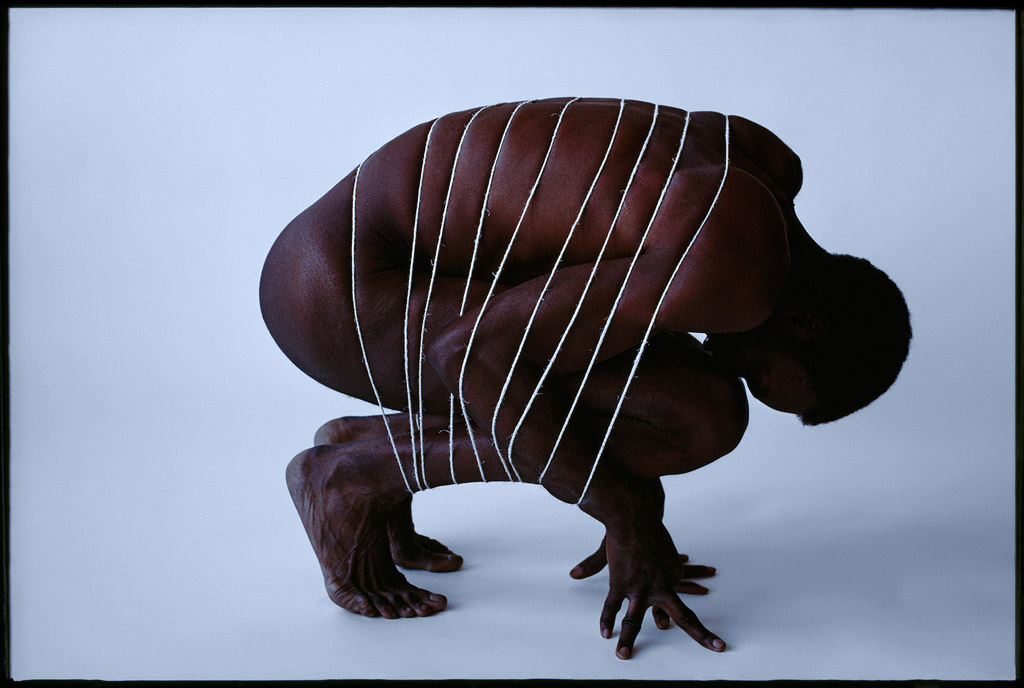
f) And again.
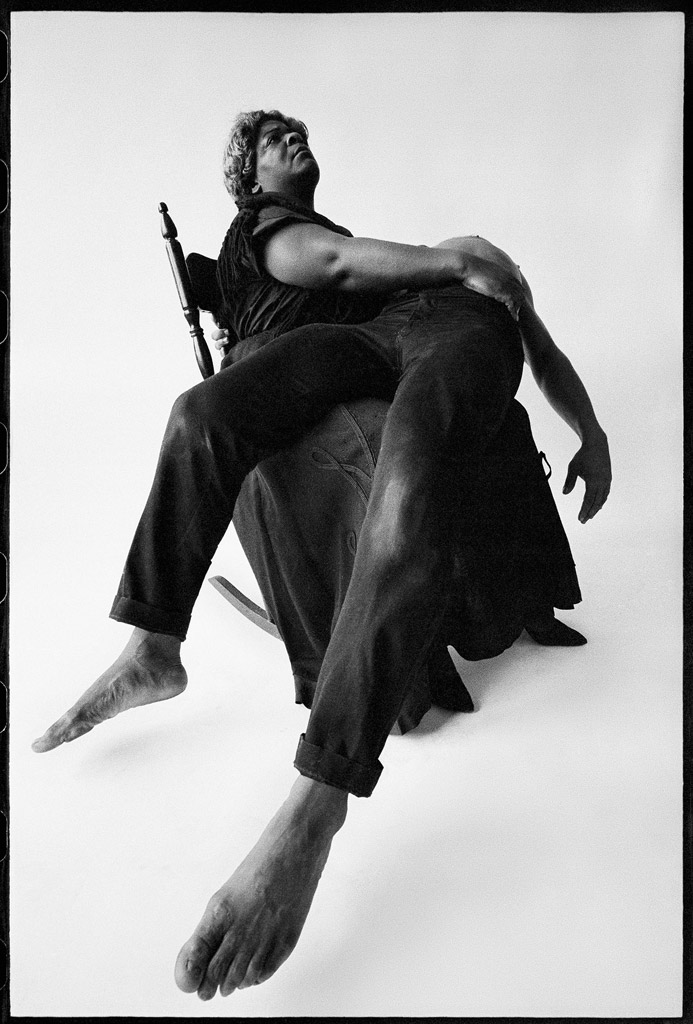
g) The Viet Nam War.
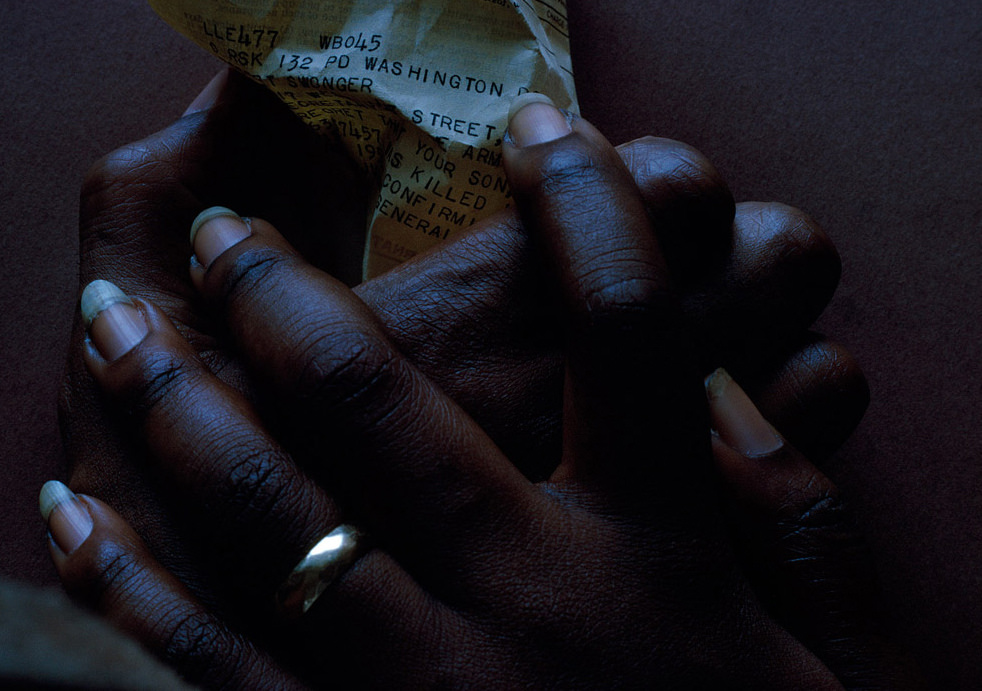
h) Nuclear weapons.
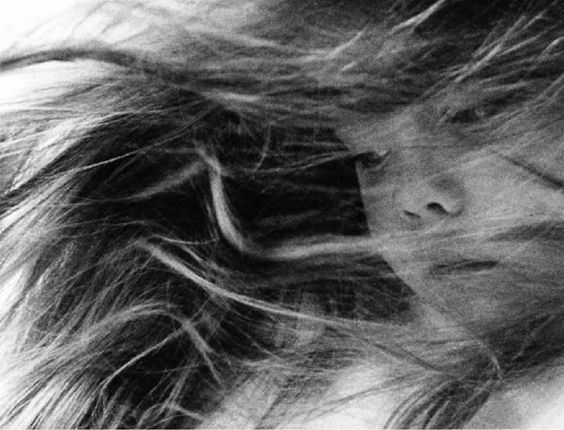
h) The American judicial system.
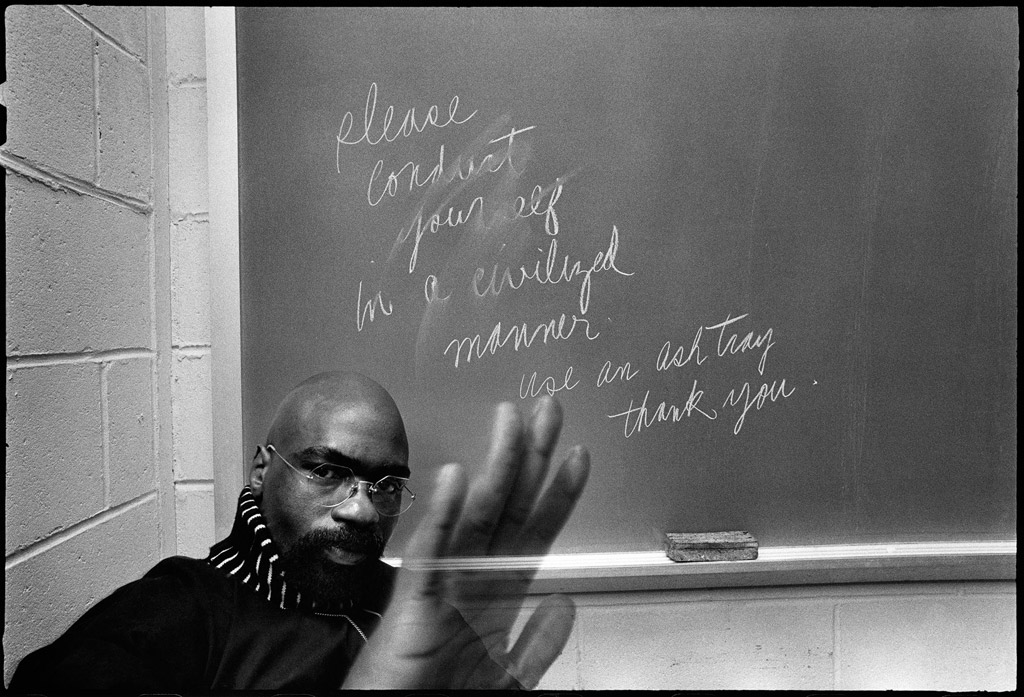
i) America itself.

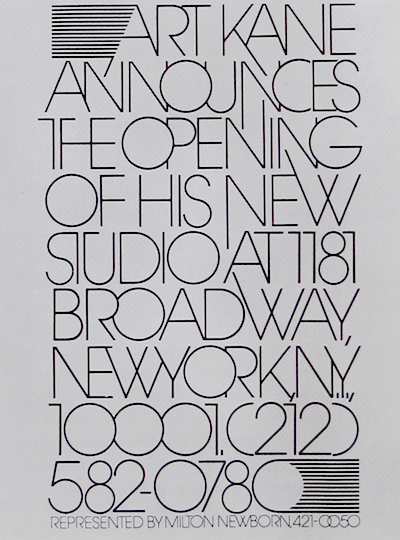
In the early seventies he moves studios and get his friend, Herb Lublin to knock a suitably seventies looking ad for the opening.
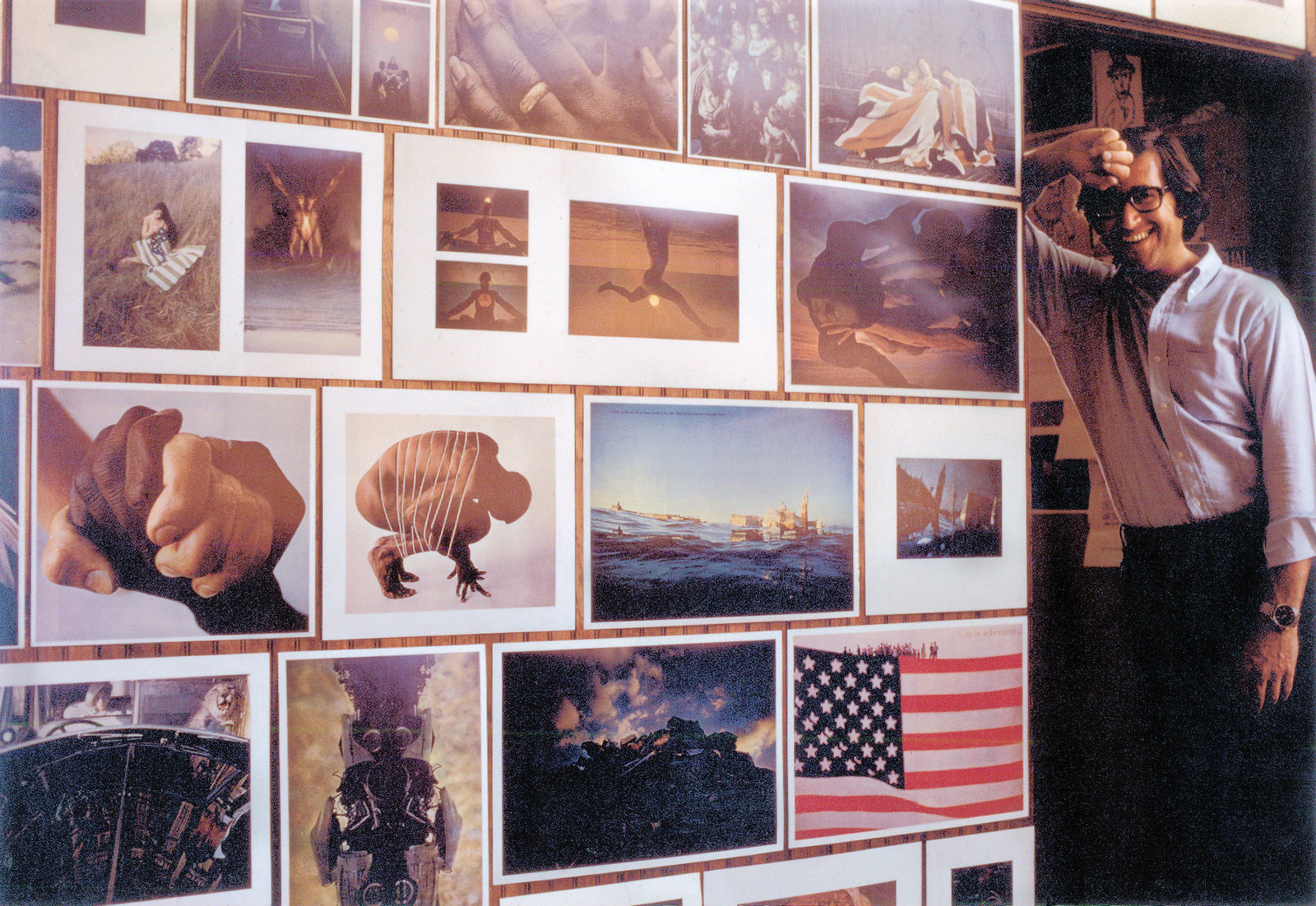
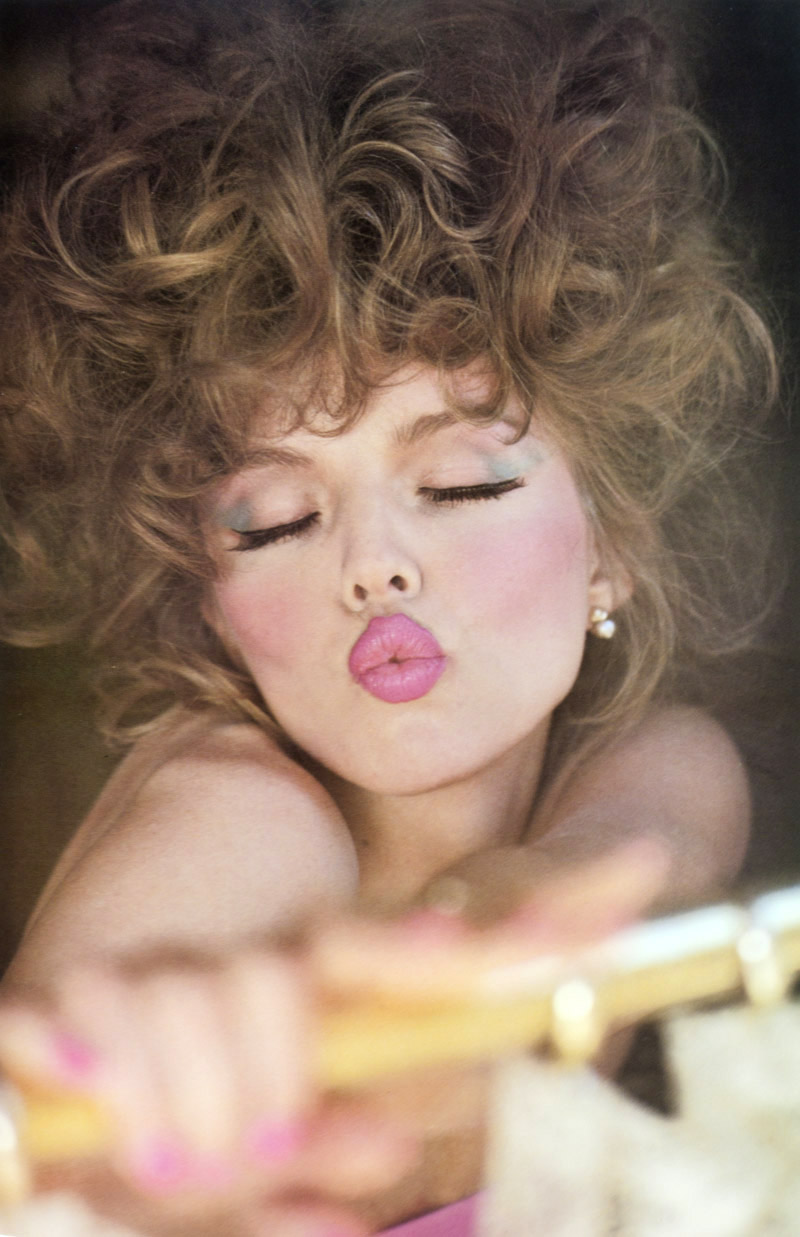
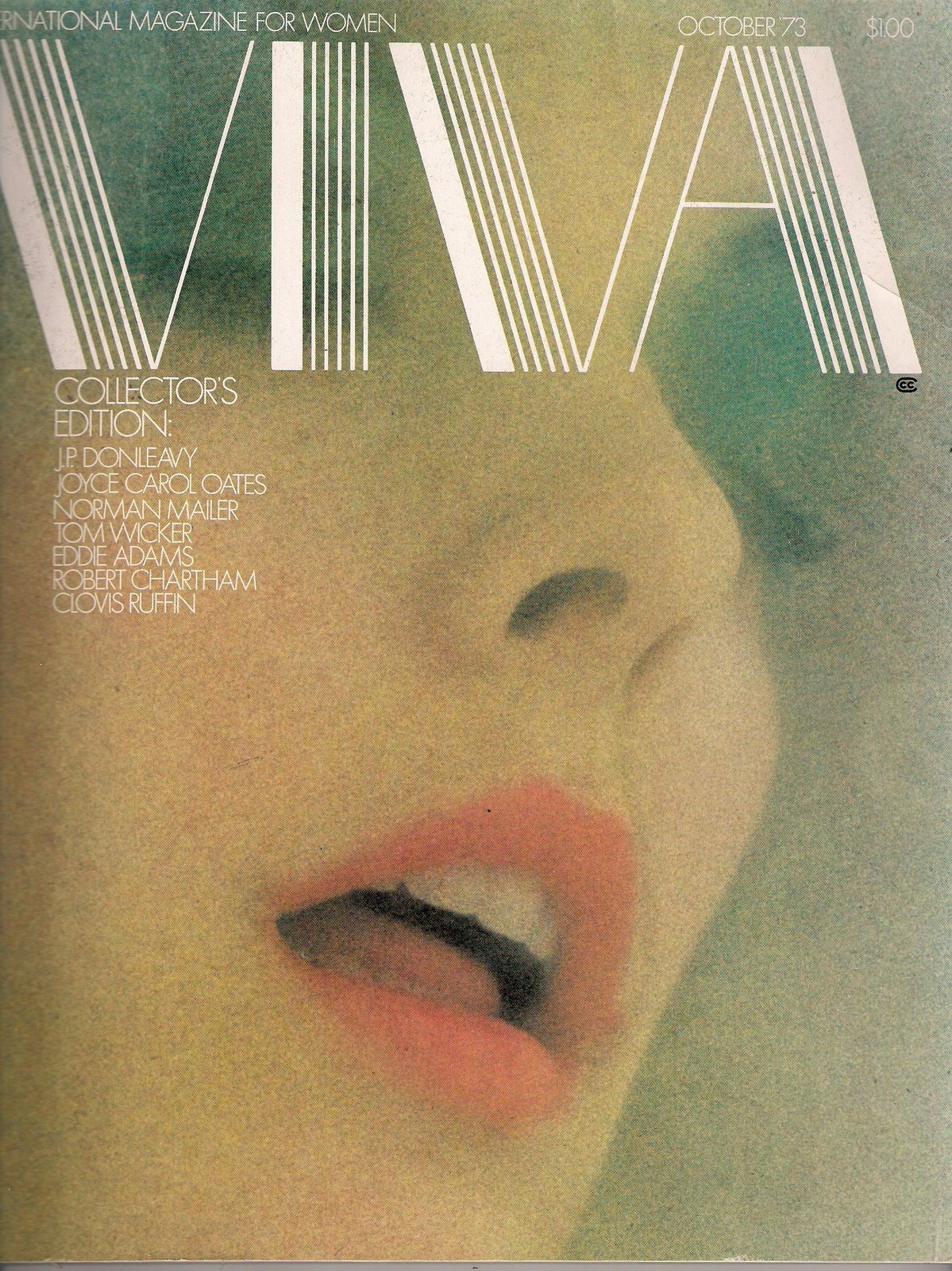
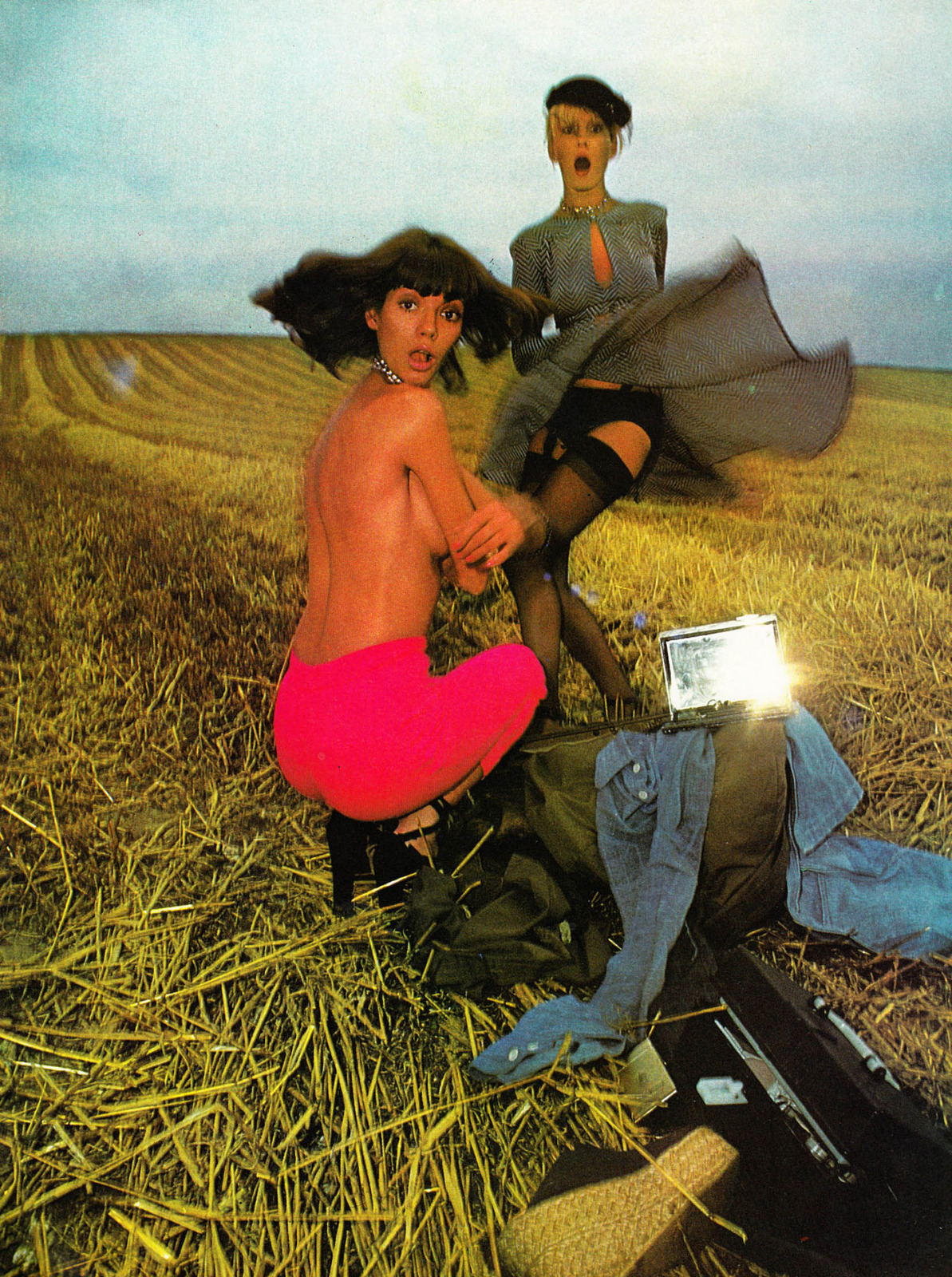
Around ’74, he joins up with internationally renowned pornographer Bob Guccione, to become Corporate Design Director for Penthouse & Viva.Viva was a new magazine; ‘The International Magazine For Women’, basically an erotic magazine for women.As well as taking care of the design, he also shots many of the ‘stories’.


Some, show signs of Brodovitch’s ‘astonish me’ mantra, like this.


And I guess this.


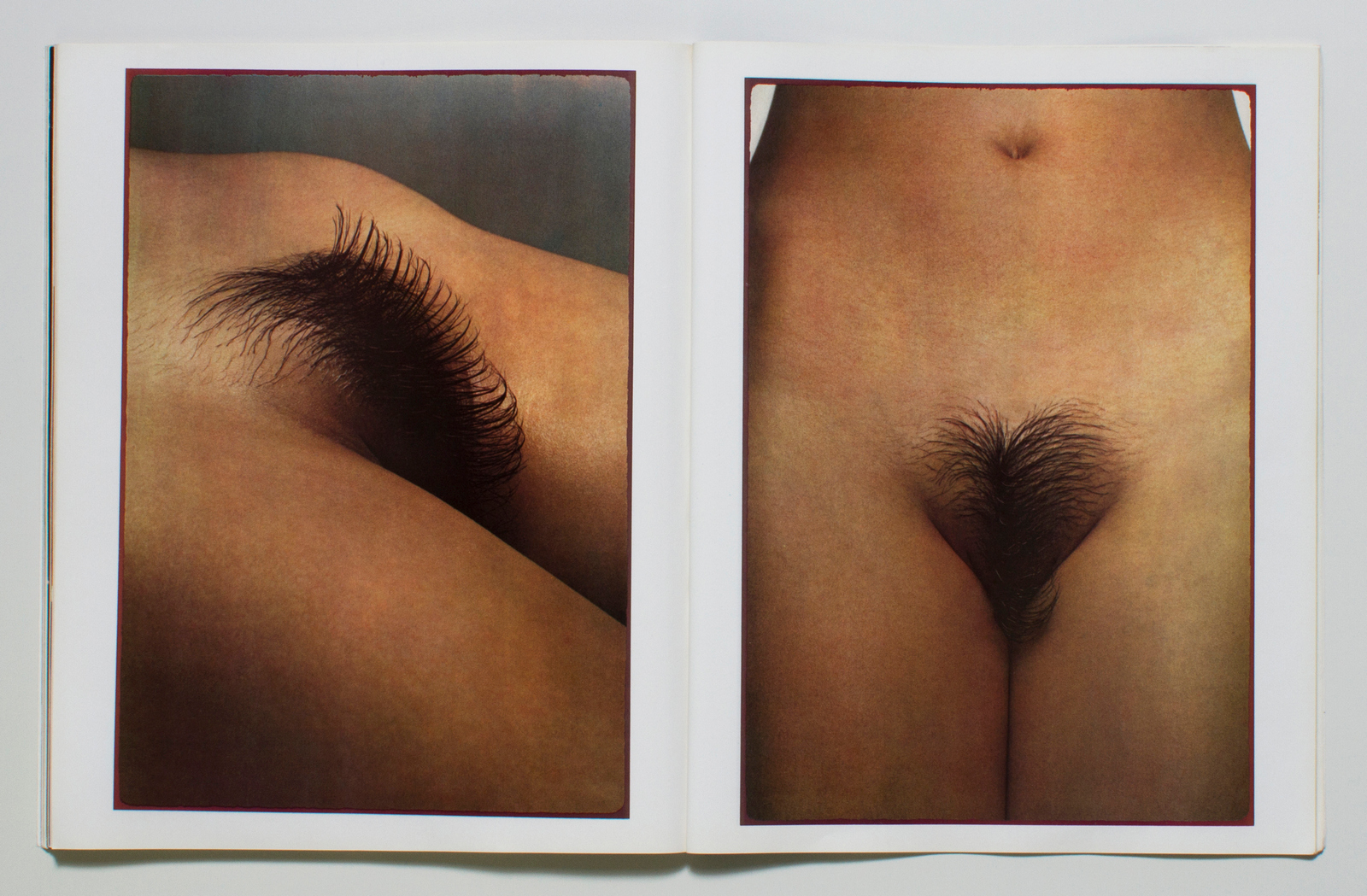
Most are more just soft porn, like this.(NOTE TO EDITOR: There seem to be a lot of pictures of naked women in this International Magazine For Women?)
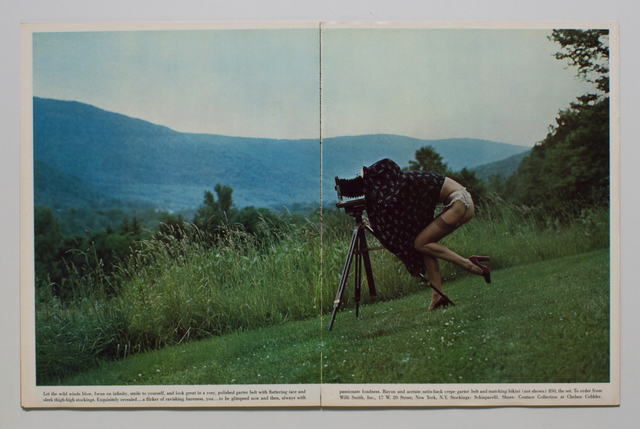
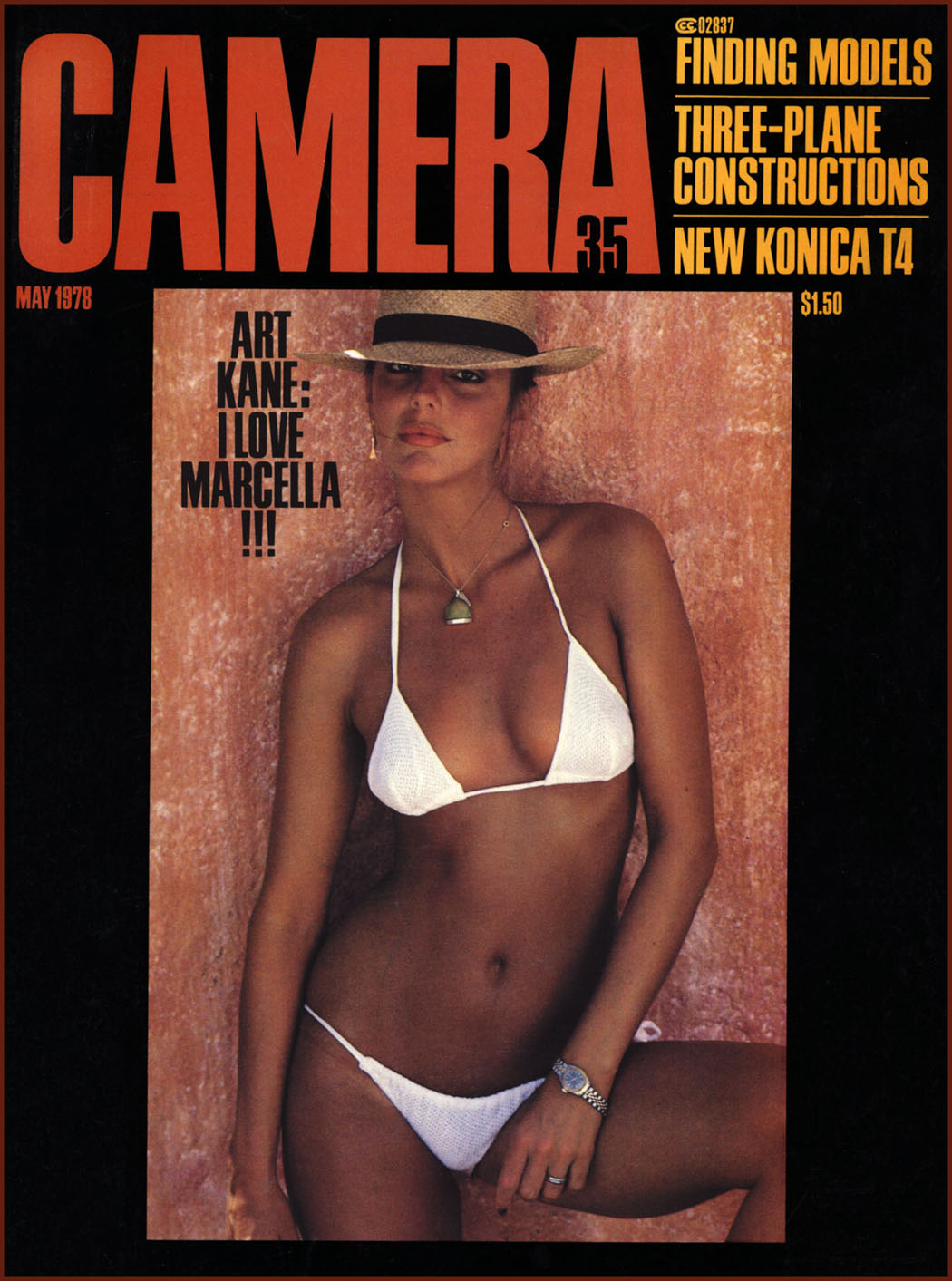
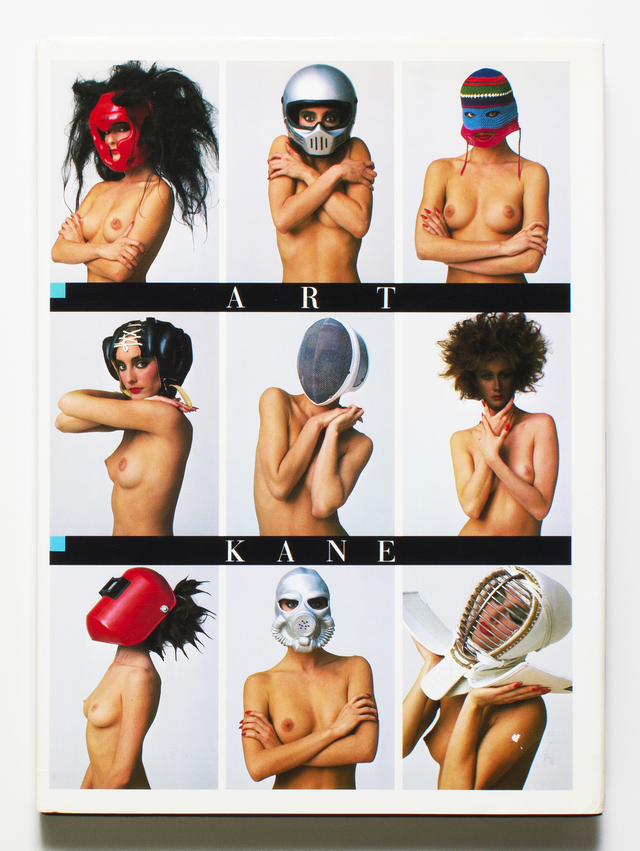
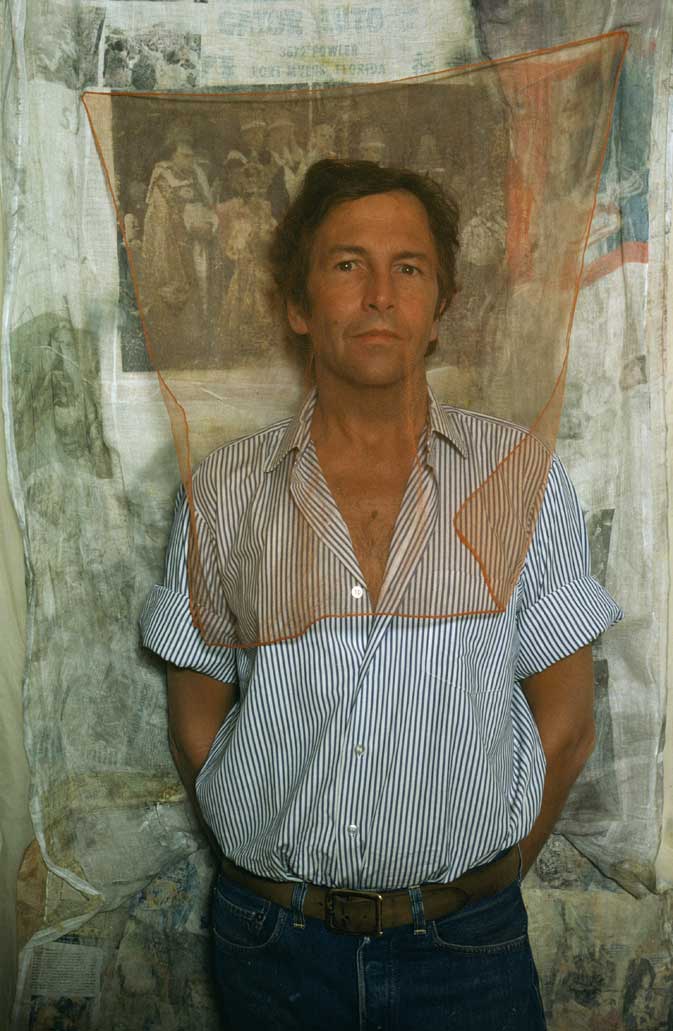
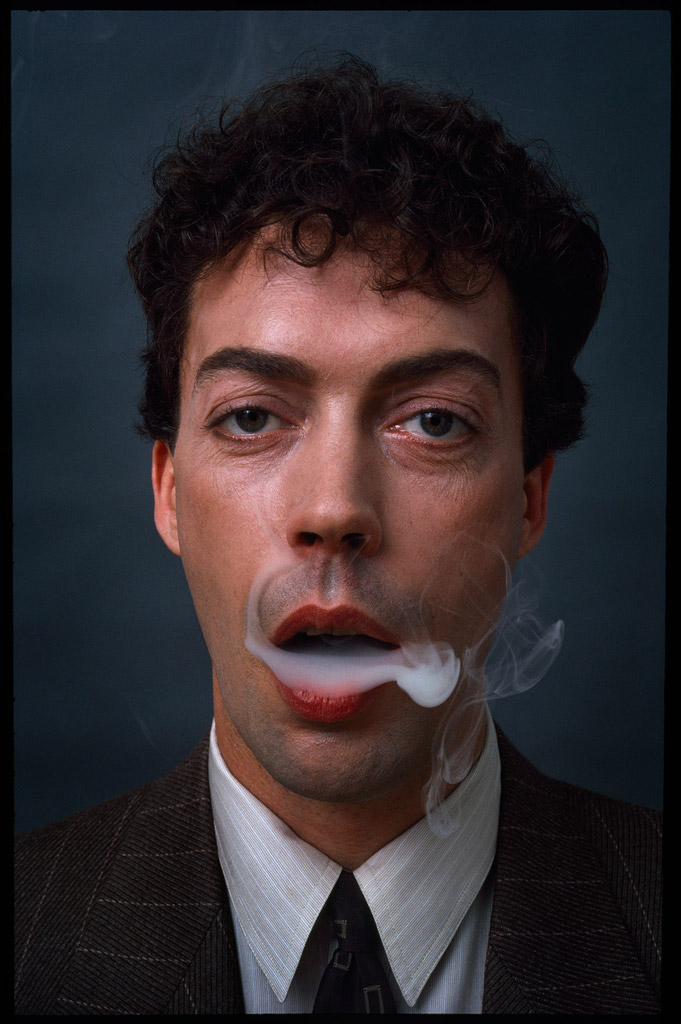
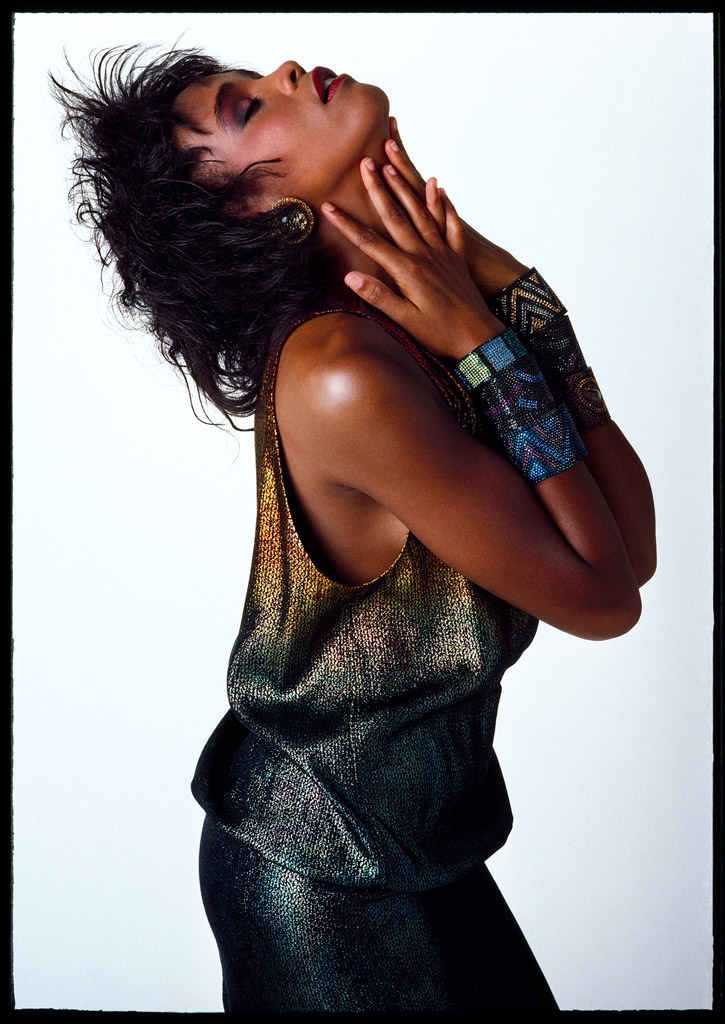
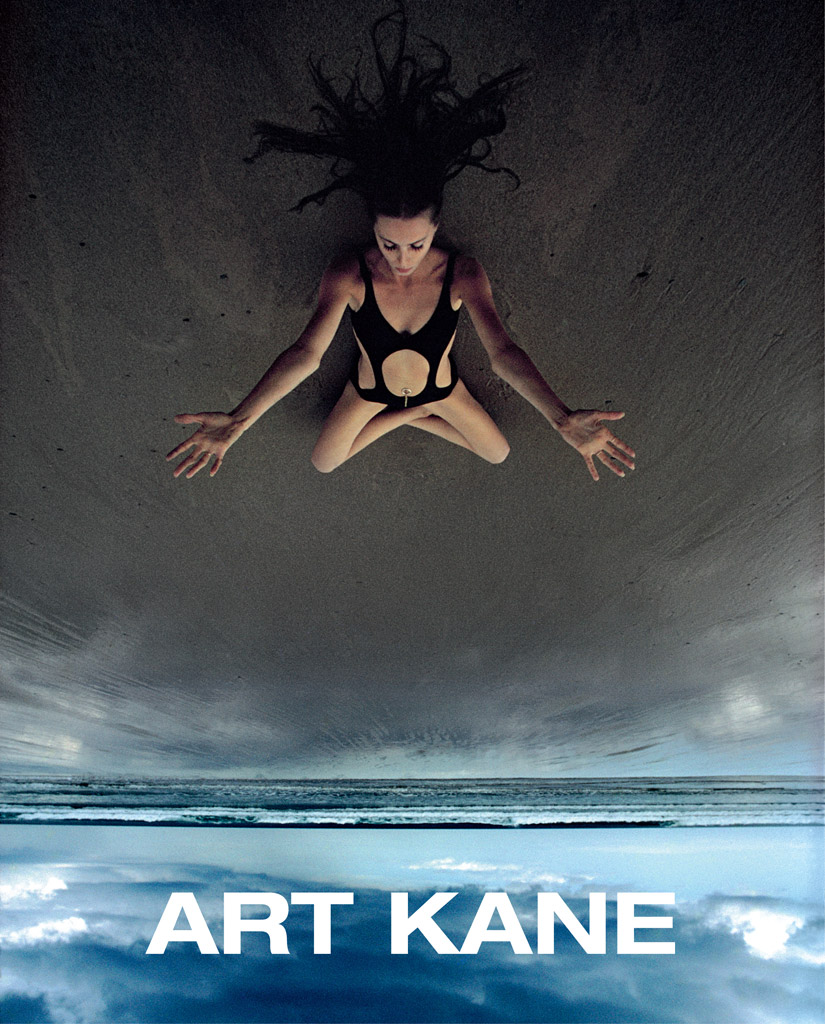
Towards the end of his career Art seems to have shot lots of semi-clad women as well as some cool portraits.
ROBERT RAUSCHENBERG.
TIM CURRY.
WHITNEY HOUSTON.
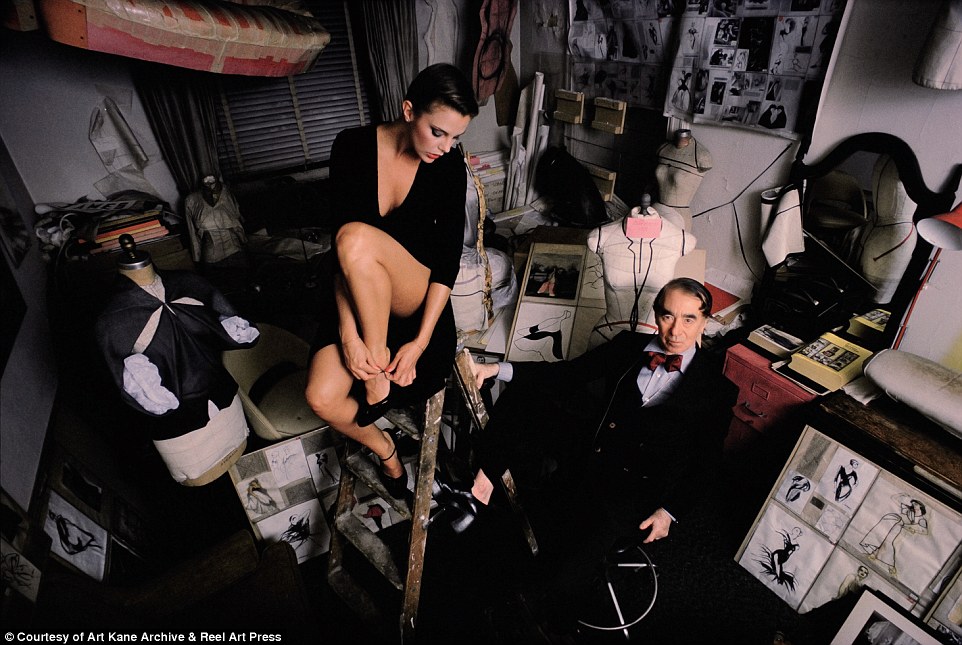
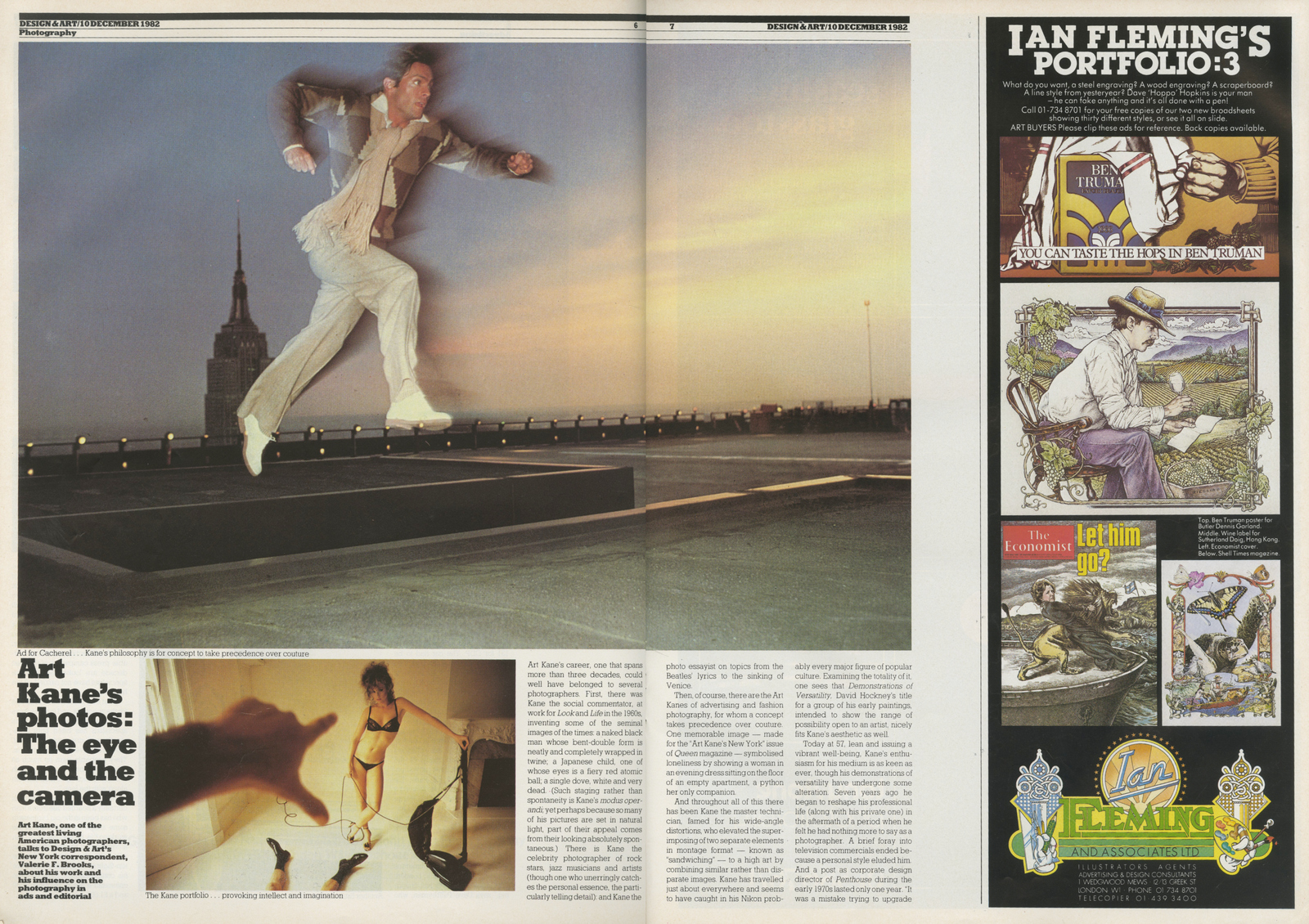
Some of the last images of Art's were those for Cacharel.I'm not sure what all the men are running away from, but the images are very evocative.
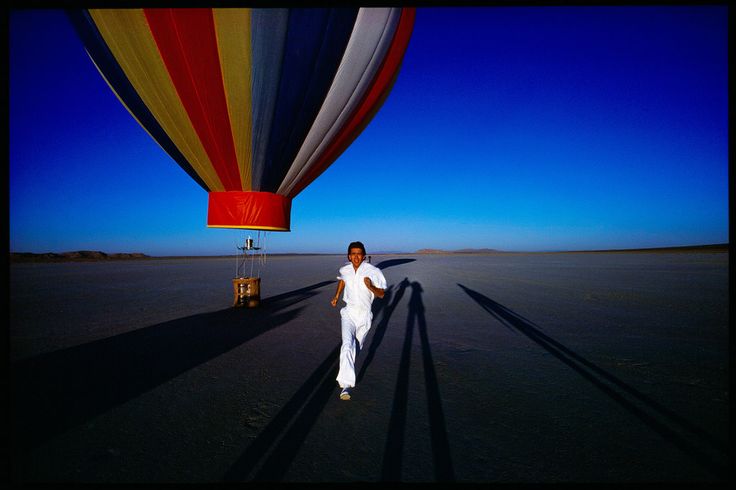
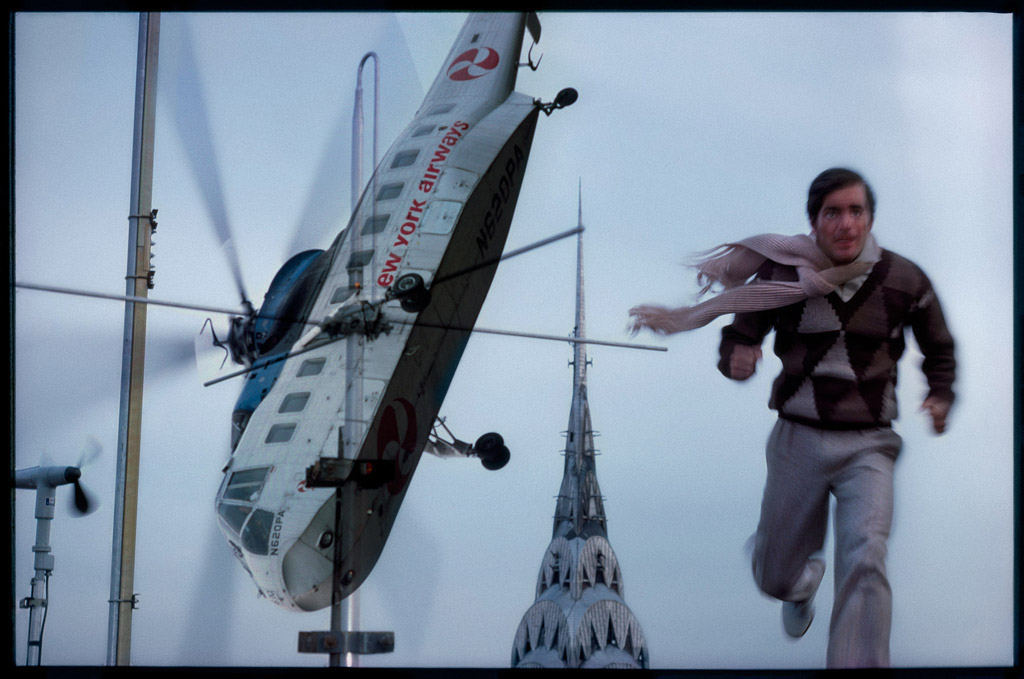
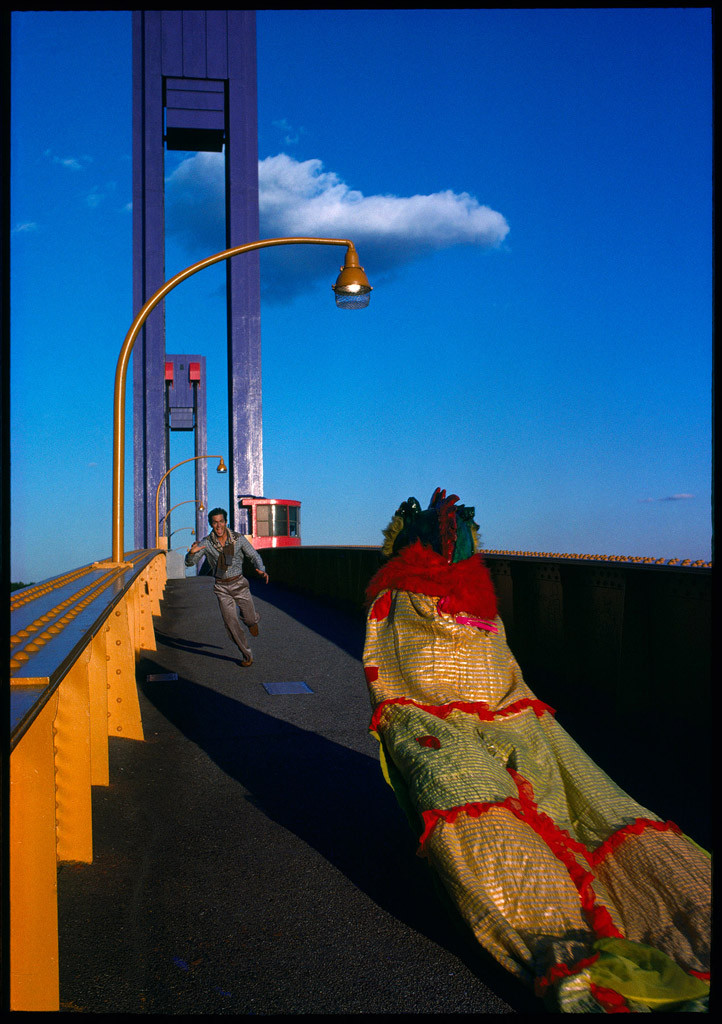
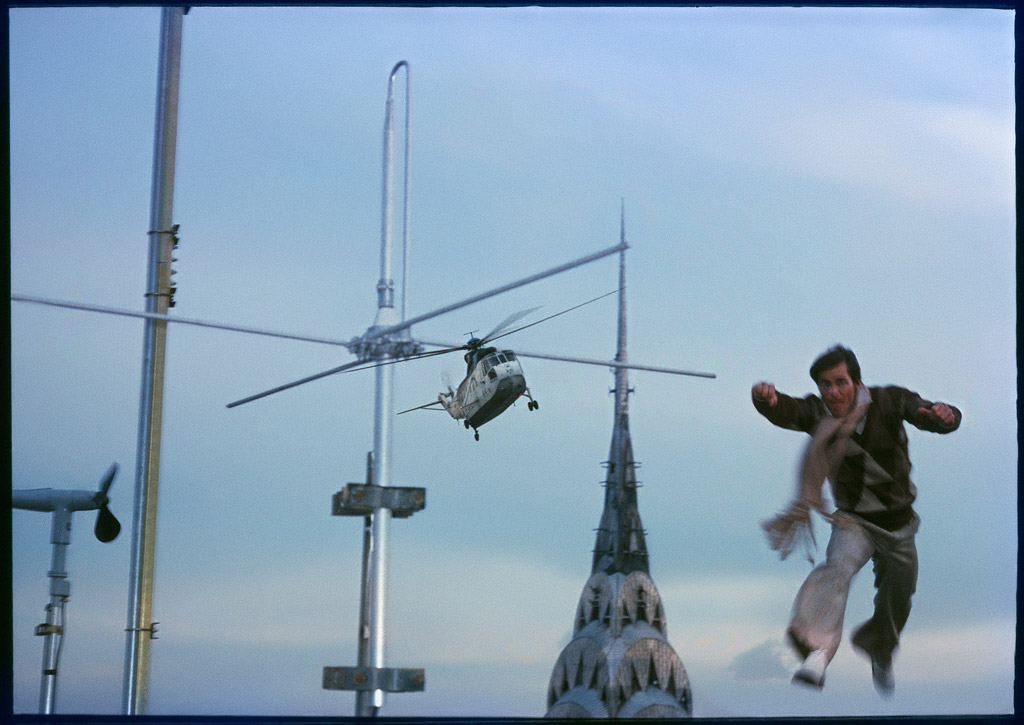
One of the last portraits of Art.

Unfortunately, in 1995, Art Kane committed suicide by shooting himself.He was 69.Last year his son Jonathan put together a book of his father's work; ‘Art Kane. The Eye of Photography’.Check it out, he deserves to be remembered.
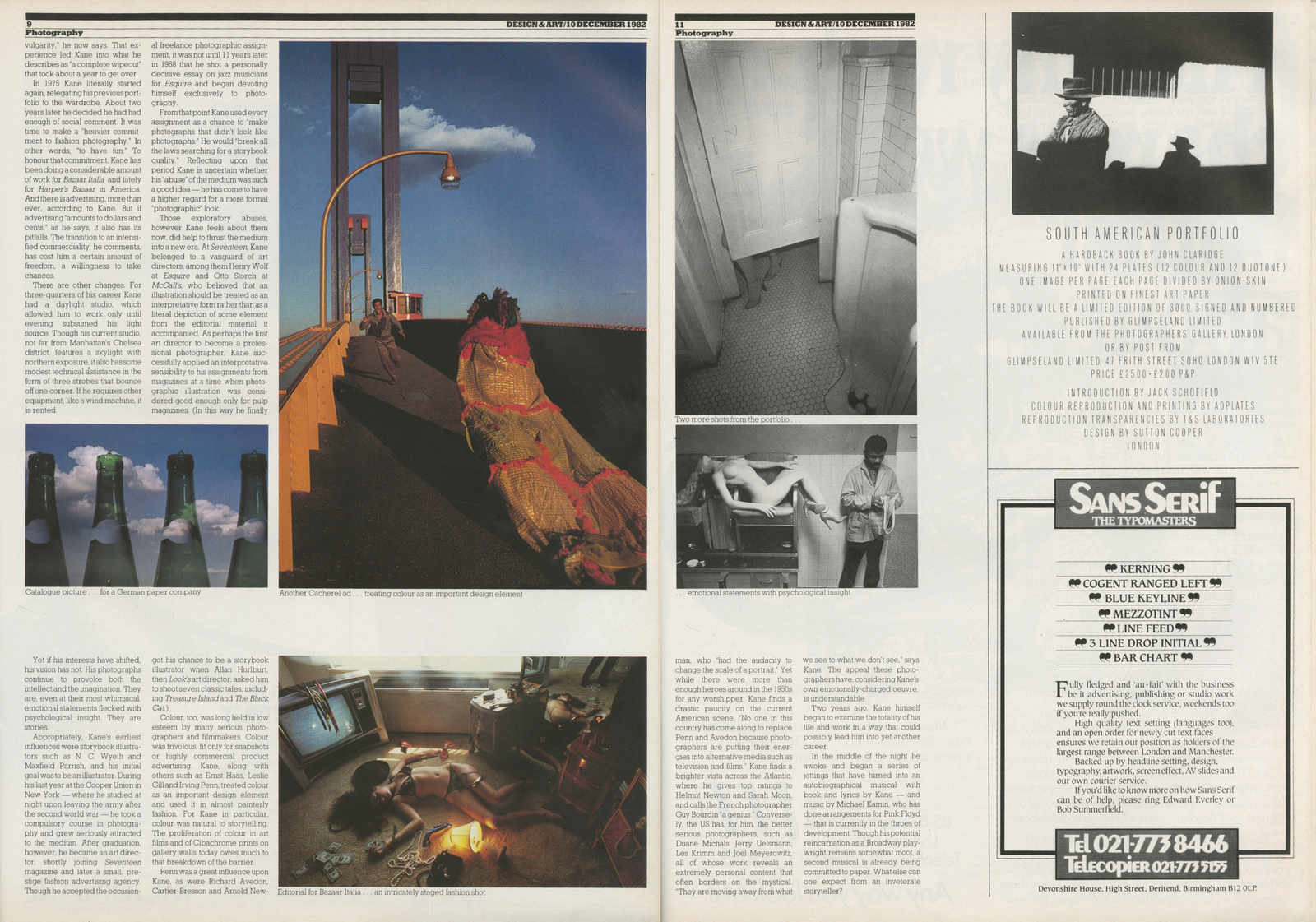
N.b. A Campaign Design & Art Direction article from 1982.


Lorem ipsum dolor sit amet, consectetur adipiscing elit. Suspendisse varius enim in eros elementum tristique. Duis cursus, mi quis viverra ornare, eros dolor interdum nulla, ut commodo diam libero vitae erat. Aenean faucibus nibh et justo cursus id rutrum lorem imperdiet. Nunc ut sem vitae risus tristique posuere. uis cursus, mi quis viverra ornare, eros dolor interdum nulla, ut commodo diam libero vitae erat. Aenean faucibus nibh et justo cursus id rutrum lorem imperdiet. Nunc ut sem vitae risus tristique posuere.
Delete